Texas car insurance requirements are simple on paper, but they matter most after a serious crash, when the at-fault driver's minimum policy may be all that stands between you and a pile of medical bills. Understanding what 30/60/25 actually pays, and where it runs out, helps you protect yourself before and after a wreck.
What Car Insurance Does Texas Require?
Texas requires liability coverage of at least $30,000 per injured person, $60,000 per crash, and $25,000 for property damage. Insurers must also offer personal injury protection and uninsured motorist coverage, which drivers can reject only in writing.
Key takeaways:
- Texas minimum liability coverage is $30,000 per person, $60,000 per crash, and $25,000 for property damage.
- Liability coverage pays other people, not you, when you cause a crash.
- Minimum limits are often used up quickly when someone is badly hurt.
- Your own underinsured motorist coverage can help fill the gap when the other driver's policy is too small.
What Are the Texas Car Insurance Requirements?
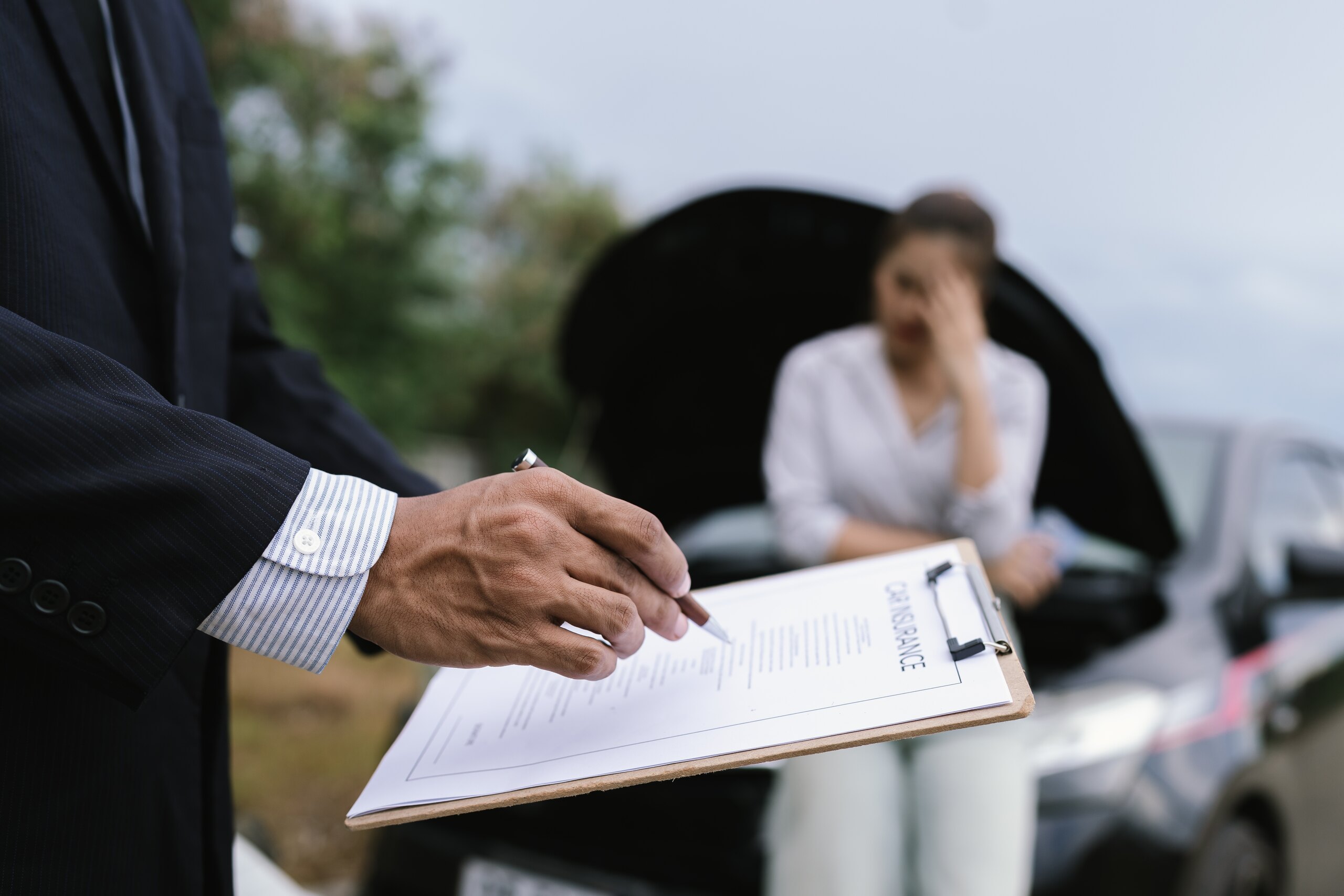
Under Texas Transportation Code Section 601.072, every Texas driver must carry liability insurance or another approved form of financial responsibility. The required minimums, and the coverages insurers must offer, break down like this:
| Coverage | Texas requirement | Who it pays |
|---|---|---|
| Bodily injury liability | Required: $30,000 per person and $60,000 per crash | People you injure |
| Property damage liability | Required: $25,000 per crash | Vehicles and property you damage |
| Personal injury protection (PIP) | Must be offered, at least $2,500; can be rejected in writing | You and your passengers, regardless of fault |
| Uninsured/underinsured motorist (UM/UIM) | Must be offered; can be rejected in writing | You, when the at-fault driver has no or too little coverage |
| Collision and comprehensive | Optional under state law, though lenders often require them | Damage to your own vehicle |
Coverage You Have Unless You Rejected It
Under Texas Insurance Code Chapter 1952, UM/UIM and PIP coverage are part of a Texas auto policy unless the policyholder rejects them in writing. If you never signed a rejection form, you may have more coverage than you think, and it is worth checking your declarations page after a crash.
What 30/60/25 Coverage Means When You Are Hurt
The three numbers in 30/60/25 are separate limits that work differently. Each one caps a different part of what the at-fault driver's insurer will pay.
$30,000 Per Person
The first number is the most the policy pays for any one injured person's medical bills, lost wages, and pain and suffering. Even if a jury values your injuries at $300,000, a minimum policy pays no more than $30,000 toward your claim.
$60,000 Per Crash
The second number is the total available for everyone hurt in the same crash. If three people are seriously injured, they share $60,000, and none of them can receive more than $30,000. If their losses are $90,000, $50,000, and $40,000, the three claims total $180,000, but the insurer's payments across all of them are capped at $60,000.
$25,000 for Property Damage
The third number covers damage to vehicles and other property. With the cost of newer cars and trucks, a single total loss can exceed $25,000, leaving the owner to turn to collision coverage or the at-fault driver personally for the rest.
Is 30/60/25 Enough in Texas?
For minor fender benders, 30/60/25 may be enough. For a crash that sends someone to the hospital, it often is not.
How Quickly $30,000 Runs Out
Consider a driver who is rear-ended at highway speed, taken by ambulance to the emergency room, and diagnosed with a fractured wrist that needs surgery. The ambulance, imaging, surgery, follow-up visits, and physical therapy, plus several weeks of missed work, can reach $30,000 before any amount for pain and suffering is considered. A longer hospital stay, a spinal injury, or lasting pain can push losses far past that figure, which is why minimum-limits claims often settle for the full policy amount.
Ways to Protect Yourself
Drivers who want more protection than the state minimum commonly consider:
- Higher liability limits, which protect your own savings if you cause a serious crash
- Underinsured motorist coverage at limits that match your liability coverage
- Higher PIP limits to cover medical bills and lost wages quickly, regardless of fault
- An umbrella policy that adds coverage above your auto and homeowners policies
An insurance agent can explain the cost of each option. The right mix depends on your household, your assets, and how much you drive.
What Happens When the At-Fault Driver Only Has Minimum Coverage?
When a serious injury meets a minimum policy, the claim becomes a search for every other source of payment. Several tools can help.
Policy Limits Demands
Under a long-standing Texas rule known as the Stowers doctrine, an insurer that unreasonably refuses a settlement offer within its policy limits can become responsible for a judgment above those limits. A carefully prepared demand for the full policy amount puts that pressure on the insurer early.
Your Own Underinsured Motorist Coverage
If you carry UIM coverage, it can pay the difference between the at-fault driver's limits and your actual losses, up to your own UIM limit. Your insurer's consent may be needed before settling with the other driver, so the order of steps matters. UIM benefits come from your own insurer, but they are still capped at the coverage amounts you chose.
Other Responsible Parties
Sometimes a crash that looks like a minimum-limits case involves more coverage than it first appears. If the at-fault driver was working, driving a company vehicle, or driving someone else's car, another policy may apply. A dram shop claim may also be possible when a bar or restaurant served a driver who was obviously intoxicated.
Hospital Liens
Under Texas Property Code Chapter 55, a hospital that treats you after a crash can file a lien against your injury claim. When the available insurance is small, negotiating those liens and other reimbursement claims often decides how much money actually reaches the injured person.
What to Do After a Crash With a Minimum-Coverage Driver
If you suspect the other driver carries only the state minimum, a few early steps protect your claim. In order, they are:
- Get the other driver's insurance company and policy number at the scene or from the crash report.
- Notify your own insurer promptly, and ask whether you have PIP and UM/UIM coverage.
- Get medical care and keep every bill, receipt, and record of missed work.
- Avoid signing a release or accepting a check from the other insurer before confirming your own UIM rights.
- Ask whether the other driver was working or using someone else's vehicle at the time.
The order matters because settling with the at-fault driver's insurer without your own insurer's consent can jeopardize a UIM claim. A short conversation with a Texas car accident lawyer before signing anything can prevent that problem.
Other Ways to Meet Texas's Financial Responsibility Law
Most drivers meet the requirement by buying a liability policy, but the Transportation Code allows a few alternatives. A driver can post a surety bond, make a cash or securities deposit with the state comptroller or a county judge, or, for owners of more than 25 registered vehicles, qualify as a self-insurer under Section 601.124.
These alternatives are uncommon for everyday drivers. They matter most in crashes with business vehicles, where a self-insured company may handle the claim itself instead of through an insurer.
Proof of Insurance in Texas
Texas drivers must be able to show proof of financial responsibility when an officer asks, and that proof is also required to register or renew a vehicle's registration. Under Transportation Code Section 601.053, drivers can show a paper insurance card or an electronic image on a phone.
Why Proof Matters After a Crash
Exchanging insurance information at the scene is the fastest way to start a claim. Photograph the other driver's insurance card, license, and plate, because a phone photo is often easier to read later than hurried handwritten notes.
Penalties for Driving Without Insurance in Texas
Under Transportation Code Section 601.191, a first conviction for driving without required coverage carries a fine of $175 to $350, and later convictions carry fines of $350 to $1,000. Officers can check coverage through the state's TexasSure verification system during a traffic stop.
What the Penalties Mean for Crash Victims
Fines do not pay for anyone's injuries. When an uninsured driver causes a crash, your own UM coverage is often the only reliable source of payment, which is why keeping that coverage is so important, even for drivers who have never been in a crash.
Commercial and Rideshare Vehicles Carry Higher Limits
The 30/60/25 minimum applies to personal vehicles, but many commercial vehicles must carry far more. Interstate trucking companies hauling general freight generally must carry at least $750,000 under 49 C.F.R. Section 387.9, and rideshare vehicles must carry $1 million during a trip under Texas Insurance Code Chapter 1954.
Not every vehicle for hire follows those higher rules. San Antonio, for example, requires taxicabs to carry only the state minimum, so the type of vehicle involved can change the value of a claim dramatically.
How Cowen Law Helps When Coverage Falls Short
Cowen Law Car & Truck Accident Lawyers looks at every policy that might apply after a crash, including the at-fault driver's, any employer's, and your own. Michael Cowen has been Board Certified in Personal Injury Trial Law by the Texas Board of Legal Specialization since 2001 and has tried more than 120 jury trials.
Deadlines That Still Apply
Most Texas injury lawsuits must be filed within two years under Civil Practice and Remedies Code Section 16.003, and your own policy may require prompt notice of a UM or UIM claim. Every case depends on its own facts, and past results do not predict the outcome of another case.

FAQs: Texas Car Insurance Requirements
These are common questions Texans ask about minimum coverage, optional coverage, and what each one means after a crash.
Does Texas require uninsured motorist coverage?
Texas does not require drivers to keep uninsured motorist coverage, but insurers must include it in the policy unless the policyholder rejects it in writing. Keeping it is one of the strongest protections against uninsured and underinsured drivers.
Does minimum insurance cover my own injuries?
No, Texas minimum liability insurance pays for injuries and damage you cause to others, not your own injuries. Your PIP, UM/UIM, health insurance, or a claim against the at-fault driver pays for your own injuries.
Can I sue the other driver for more than their policy limits?
Yes, you can sue a Texas driver for more than their insurance limits, but collecting the excess depends on the driver's personal assets, many of which are protected from creditors under Texas law. That is why underinsured motorist coverage and policy limits demands are so important.
Is "full coverage" required in Texas?
"Full coverage" is not a legal requirement in Texas; the term usually means liability plus collision and comprehensive coverage. Texas law requires only liability coverage, though a lender or leasing company may require the rest.
What if the driver who hit me had no insurance?
If an uninsured driver hit you in Texas, your own uninsured motorist coverage can pay for your injuries up to its limits, and PIP can pay medical bills and lost wages regardless of fault. A claim against the uninsured driver personally is possible but often hard to collect.
Talk to Cowen Law About Your Coverage After a Crash
If the other driver's insurance will not cover your losses, Cowen Law can review every policy that might apply, including your own, and explain your options. We offer free consultations in English and Spanish, and there is no cost to you unless we win.
Call (210) 941-1306, Monday through Friday from 8:30 a.m. to 5:30 p.m., to talk through your crash.
Schedule A Free Case Consultation
Cowen Law - Texas Office
Address: 6243 I-10 #801, San Antonio, TX 78201
Contact No: (210) 941-1306