A San Antonio delivery truck accident lawyer has to figure out something the logo on the truck does not always tell you: who actually employed the driver. FedEx, UPS, the U.S. Postal Service, and local box-truck and courier companies all organize their drivers differently, and at Cowen Law Car & Truck Accident Lawyers, The Trucking Trial Lawyers™, we sort out those relationships so every responsible company is part of the claim.
Delivery trucks spend their days stopping, backing, and turning on neighborhood streets and busy commercial corridors across San Antonio. When one causes a crash, the path to compensation depends heavily on which company was behind the wheel.
Call us at (210) 941-1306 for a free consultation or contact us below. No cost to you unless we win.
Who Employs the Delivery Driver Who Hit You?
The company name on a delivery truck is only the starting point, because many carriers use contractors to run their routes. The most common arrangements look like this:
| Type of delivery vehicle | Typical driver arrangement | What that means for a claim |
|---|---|---|
| FedEx Ground trucks | Drivers usually work for independent contractor businesses that run routes for FedEx | The contractor and its insurer are usually the first defendants, and FedEx's role depends on the contract and its control |
| UPS package cars | Drivers are generally UPS employees | UPS is usually responsible for its driver's negligence on the job |
| U.S. Postal Service mail trucks | Carriers are federal employees | Claims go through the Federal Tort Claims Act, with its own forms and deadlines |
| Contract mail routes | Private companies hired to haul mail | Usually handled like any commercial vehicle claim |
| Box trucks for furniture, appliance, and retail delivery | Local delivery companies, often using rented or leased trucks | The delivery company and its policy, not the rental company, usually pay |
| Last-mile couriers | App-based or contract drivers in personal vehicles | Coverage depends on the courier company's policy and the driver's status at the time |
These arrangements change over time and vary from route to route. The driver's employer, the route contract, and the insurance declarations are the documents that settle the question in a specific case. The Texas Peace Officer's Crash Report (CR-3) usually lists the vehicle owner and insurer, which is a good place to start.
Crashes With U.S. Postal Service Vehicles
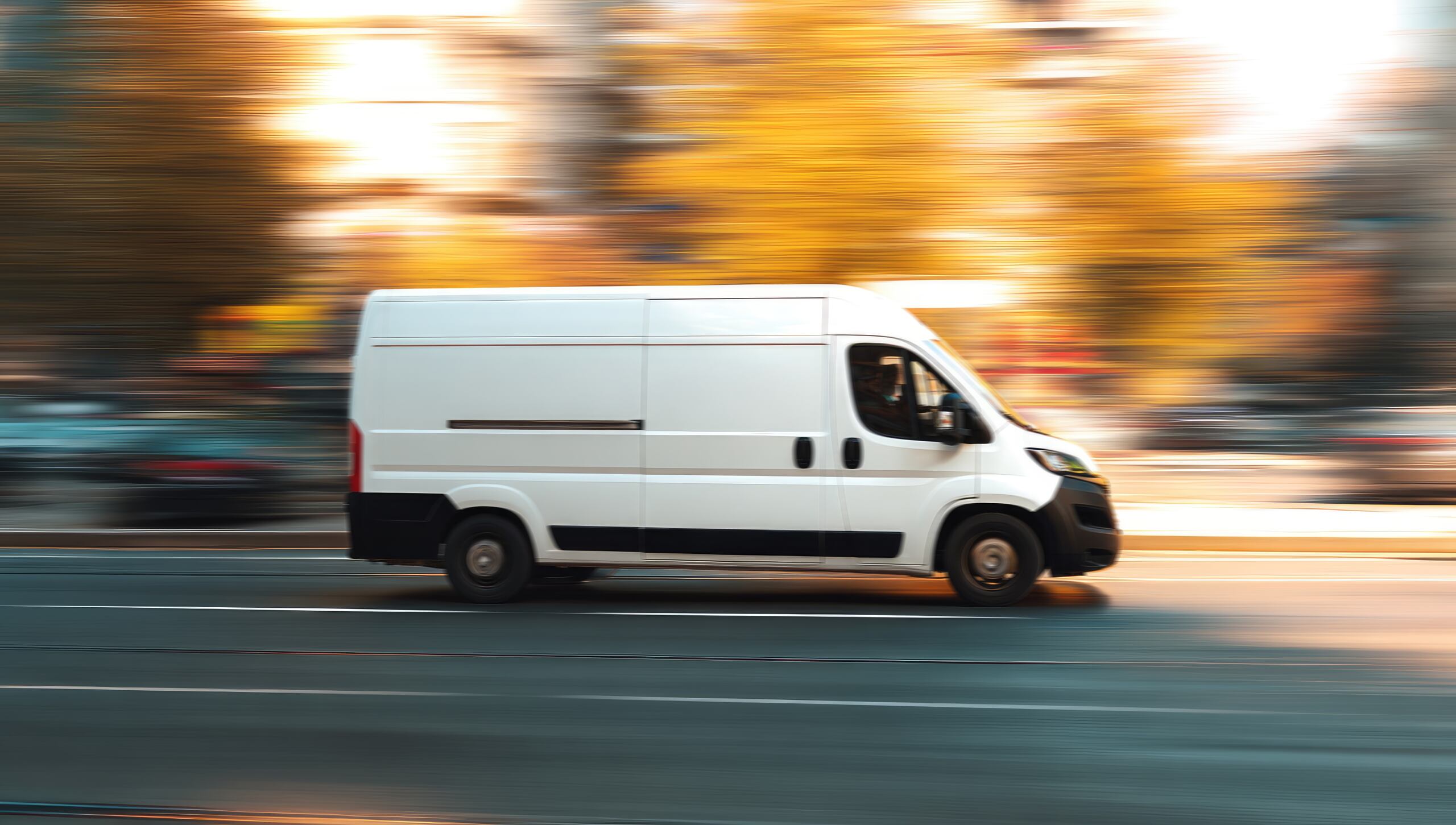
A crash with a U.S. Postal Service truck is handled under the Federal Tort Claims Act, not the ordinary Texas rules. The injured person must first file an administrative claim with the Postal Service, usually on Standard Form 95, before any lawsuit can be filed in federal court.
Federal Deadlines
Under 28 U.S.C. Section 2401(b), the administrative claim generally must be presented within two years of the crash, and a lawsuit must be filed within six months after the agency mails a denial. The claim must also state a specific dollar amount, which generally caps what can be recovered later.
How Federal Cases Differ
Federal Tort Claims Act cases are decided by a federal judge rather than a jury, and punitive damages are not available against the United States. The carrier individually is generally not the defendant, because the United States is substituted when a federal employee was acting within the scope of the job.
Rural Carriers in Personal Vehicles
Some Postal Service carriers, especially on rural routes, drive their own cars instead of marked mail trucks. A carrier who is a federal employee on the job is still covered by the Federal Tort Claims Act, even in a personal vehicle, so the federal claim process can apply to a crash that looks like an ordinary car wreck.
How Delivery Truck Crashes Happen in San Antonio
Delivery drivers make dozens or even hundreds of stops a day, and the job itself creates risks that ordinary commuters do not face. The crashes we see most often include:
- Trucks stopping or double-parking in a travel lane to make a quick drop
- Backing out of driveways, alleys, and apartment lots without a clear view
- Wide right turns by box trucks into cars or pedestrians
- Drivers glancing at handheld scanners or route screens between stops
- Pulling back into traffic without checking mirrors
- Speeding to stay on pace with delivery windows
Many of these crashes happen in residential neighborhoods where children, pedestrians, and parked cars are close to the truck. That makes the driver's training on backing and stopping central to the case, along with the company's rules for where drivers may park.
Rental Box Trucks and the Graves Amendment
Many local delivery companies rent or lease their box trucks, and the rental company is usually not responsible just because it owns the truck. A federal law known as the Graves Amendment, 49 U.S.C. Section 30106, protects vehicle rental and leasing companies from that kind of ownership-based liability.
When the Rental Company Can Still Be Responsible
The Graves Amendment does not protect a rental company from its own negligence. If the company rented out a truck with known brake problems or skipped required maintenance, it can still share responsibility for the crash, and maintenance records show whether that happened.
Who Pays Instead
In most rental box truck crashes, the claim runs against the delivery company that hired the driver and its commercial auto policy. Rental agreements often require the renting business to carry its own insurance, which helps identify the coverage. The rental agreement itself is one of the first documents we request.
Why the Holiday Season Brings More Delivery Truck Crashes
Package volume spikes between Thanksgiving and the new year, and carriers add trucks, routes, and drivers to keep up. Those weeks bring risks that deserve a close look in any crash from that period.
Seasonal Drivers
Temporary drivers hired for peak season may receive less training and less time to learn their routes. A driver unfamiliar with San Antonio neighborhoods is more likely to make sudden stops, U-turns, and lane changes. Carriers and contractors are still responsible for training and supervising these drivers, even when they are hired for only a few weeks.
Performance Pressure
Delivery companies track stops per hour and on-time rates, and holiday volume raises those targets. Records of how many stops a driver was assigned, and how far behind they were, can show why a driver was rushing.
Evidence That Matters in a Delivery Truck Case
Delivery companies track their drivers in more detail than almost any other business, and that data can reconstruct the minutes before a crash. The records we move to preserve include:
- Package scan timestamps showing the driver's last stop and next stop
- Vehicle telematics recording speed, braking, backing, and seat belt use
- Forward- and driver-facing camera footage
- Route plans and the number of stops assigned for the day
- Contracts between the carrier and any contractor business
- The driver's training, licensing, and prior incident records
Scan data is often the most revealing. A string of scans a few seconds apart can show a driver hurrying between stops, and a gap can show a driver who was on the phone or lost. Because some of this data is kept only briefly, a preservation letter sent early is often the difference between having it and not.
What Compensation Is Available After a Delivery Truck Crash?
A delivery truck claim in San Antonio can include medical expenses, future care, lost wages, reduced earning capacity, physical pain, mental anguish, and physical impairment. Property damage to your vehicle is part of the claim as well.
When a Crash Is Fatal
When a delivery truck crash takes a life, the surviving spouse, children, and parents can bring a wrongful death claim, and the estate may bring a survival claim for what the person suffered before death. We handle those cases with the patience a grieving family deserves, and we take on the paperwork so the family does not have to.
Deadlines and Shared Fault in Delivery Truck Claims
Claims against private delivery companies follow Texas's two-year lawsuit deadline and its proportionate responsibility rules. Postal Service claims follow the federal rules described above.
The Texas Filing Deadline
Most Texas injury claims against a private delivery company must be filed within two years under Civil Practice and Remedies Code Section 16.003. Waiting also risks losing camera footage and scan data that many companies keep only for a limited time.
When the Company Blames You
Under Civil Practice and Remedies Code Chapter 33, a recovery is reduced by your share of fault and barred above 50%. If a jury values your claim at $200,000 and finds you 15% at fault for trying to pass a stopped truck, your recovery would be $170,000.
Why San Antonio Residents Choose Cowen Law After a Delivery Truck Crash
Delivery companies defend these claims with their own adjusters and lawyers, and many of them know which firms actually try cases. Cowen Law has handled more than 1,000 trucking and company vehicle cases, and we prepare each one as if it will go to a jury.
- Michael Cowen and Malorie Peacock are Board Certified in Truck Accident Law.
- Michael Cowen has been Board Certified in Personal Injury Trial Law by the Texas Board of Legal Specialization since 2001 and has tried more than 120 jury trials.
- Our published results include an $8 million company vehicle case and an $8 million commercial vehicle case.
- Consultations are free and available in English and Spanish, and you work directly with an attorney.
Those results came from their own facts, and past outcomes do not predict the result of another case. We work on contingency, so there is no cost to you unless we win.
Schedule a free consultation to find out which companies may share responsibility for your delivery truck crash.
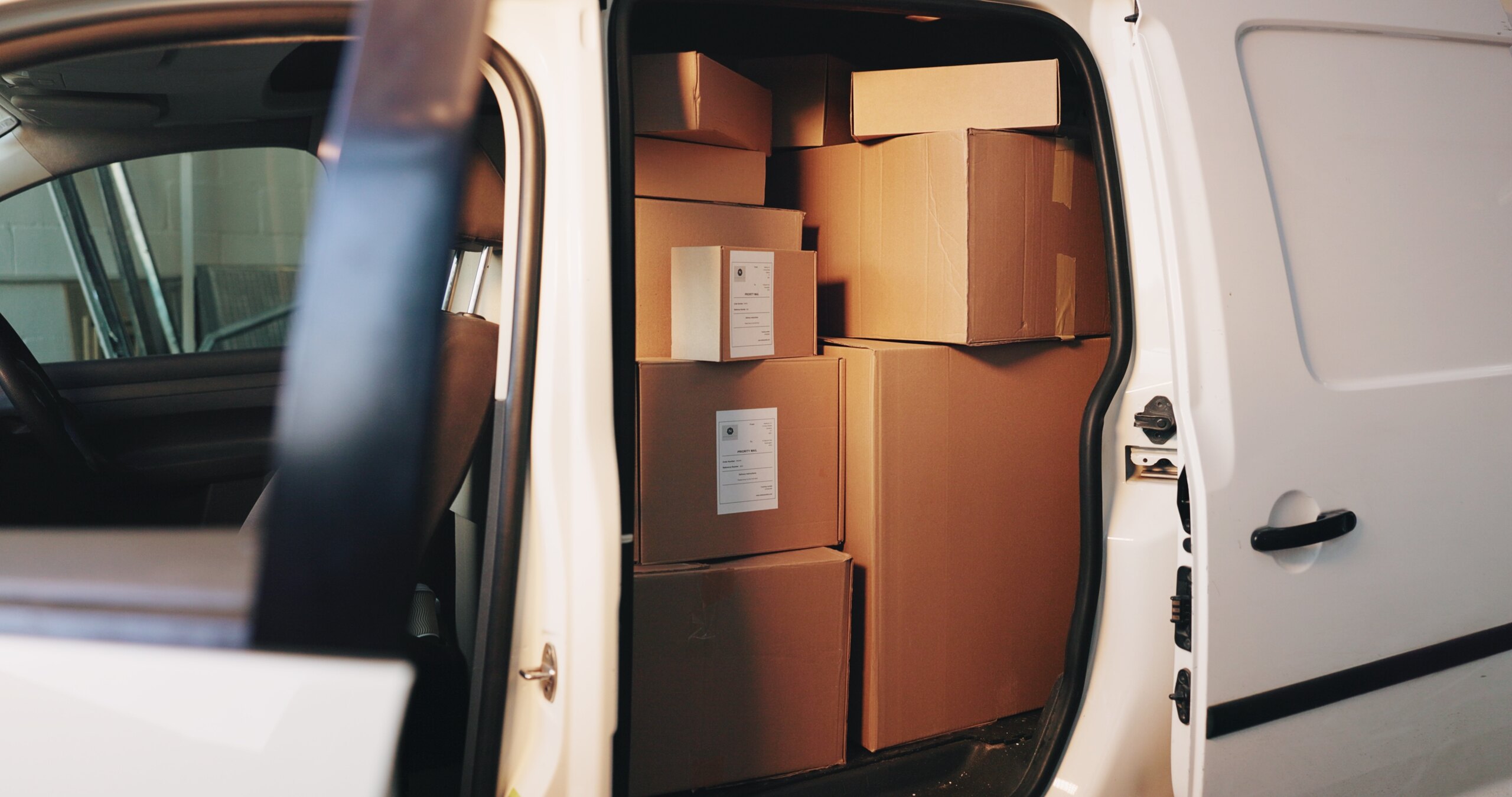
FAQs: San Antonio Delivery Truck Accident Lawyer
These are common questions from people hurt in FedEx, UPS, mail truck, and box truck crashes in San Antonio.
Can I sue FedEx if a FedEx truck hit me?
You can bring a claim after a FedEx truck crash in Texas, but for FedEx Ground the driver is often employed by an independent contractor business, so that business is usually the first defendant. FedEx itself may also be responsible depending on the contract and how much control it had over the work.
Can I sue UPS after a delivery truck crash in San Antonio?
Yes, because UPS package car drivers are generally UPS employees, UPS is usually responsible for a driver's negligence while making deliveries in San Antonio. The claim typically proceeds against UPS and its insurance.
Can I sue the mail carrier personally?
Generally no, because when a U.S. Postal Service employee causes a crash while working, the United States is substituted as the defendant under federal law. The claim must first go through the Postal Service's administrative claim process under the Federal Tort Claims Act.
Does a delivery driver's personal insurance cover a crash?
Personal auto policies in Texas often exclude or limit coverage when a car is used for business deliveries, so a courier's own policy may not pay. The delivery company's commercial or contingent policy, or your own uninsured motorist coverage, may fill that gap.
What if I hit a delivery truck that was stopped in the lane?
If a delivery truck stopped illegally or without warning in a Texas travel lane, the driver and company can share responsibility even if you struck the truck. Texas proportionate responsibility rules divide fault among everyone whose conduct contributed to the crash.
Talk to a San Antonio Delivery Truck Crash Attorney

Delivery companies can overwrite scan data and camera footage on their own schedules. Reaching out early lets us secure the records that show who employed the driver and what happened in the seconds before the crash.
Call Cowen Law at (210) 941-1306, Monday through Friday from 8:30 a.m. to 5:30 p.m., for a free consultation in English or Spanish. There is no cost to you unless we win.
Schedule A Free Case Consultation
Cowen Law - Texas Office
Address: 6243 I-10 #801, San Antonio, TX 78201
Contact No: (210) 941-1306