When a work van, company pickup, utility truck, or bus causes a crash, a San Antonio commercial vehicle accident lawyer looks past the driver to the business that put the vehicle on the road. Cowen Law Car & Truck Accident Lawyers represents people hurt by company vehicles across San Antonio and Bexar County, and our partners focus their practice on commercial vehicle crashes involving death and catastrophic injury.
These cases are rarely just car wrecks with a logo on the door. The employer's policies, training, maintenance, and insurance can all shape who pays and how much.
Consultations are free. Call (210) 941-1306 to talk with our San Antonio office.
Call us at (210) 941-1306 for a free consultation or contact us below. No cost to you unless we win.
What Counts as a Commercial Vehicle in a San Antonio Crash Claim?
A commercial vehicle is any vehicle being used for a business purpose, whether or not it is large enough to fall under federal trucking rules. In San Antonio, the company vehicle cases we see most often involve:
- Company cars: sales and service vehicles driven by employees during the workday
- Work vans and pickups: plumbers, electricians, landscapers, and other contractors moving between job sites
- Utility and service trucks: bucket trucks, cable and telecom vehicles, and city utility crews
- Buses and shuttles: transit buses, charter and tour buses, hotel and airport shuttles, and school buses
- Box trucks and delivery vans: local delivery and moving vehicles that stop and start throughout the city
Tractor-trailers raise their own federal issues and are handled separately. This page focuses on the smaller business vehicles that share San Antonio's neighborhood streets, loops, and job sites every day. If you are not sure whether the vehicle that hit you was being used for work, the crash report, the vehicle's markings, and the driver's statements usually point the way.
When Is an Employer Responsible for a Company Vehicle Crash?
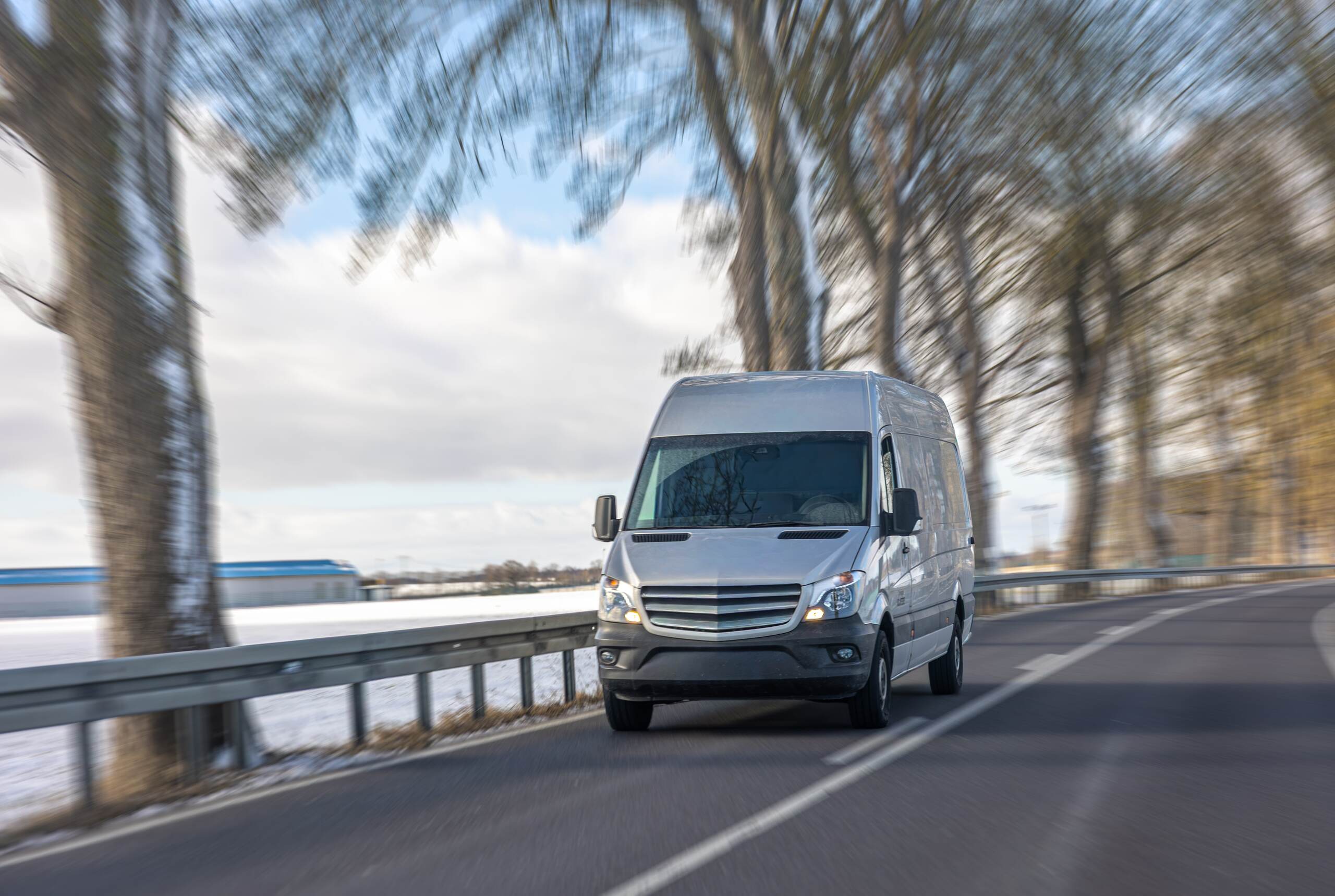
An employer in Texas is generally responsible for an employee's negligent driving when the employee was acting within the course and scope of the job. A business can also be responsible for its own failures, separate from anything the driver did.
Course and Scope of Employment
Texas courts ask whether the driver was doing the employer's work, within the authority the employer gave, when the crash happened. In Painter v. Amerimex Drilling I, Ltd., the Supreme Court of Texas explained that the focus is on whether the employee was performing work the employer assigned or controlled, not simply whether the driver was on the clock.
A service tech driving between customer homes is usually within the scope of the job. The same tech making a personal detour to a bar after hours may not be, which is why the driver's schedule, route, and dispatch records matter.
Commuting in a Company Vehicle
Texas generally treats an employee's ordinary commute as outside the scope of the job, even in a company vehicle. Exceptions can apply when the employer required the travel, the driver was on a special errand, or the trip itself was part of the work, so the facts of the trip matter.
The Company's Own Negligence
Even when the driver's conduct is the starting point, the company's choices often explain why the crash happened. The failures we look for include:
- Hiring a driver with a poor driving record or a suspended license
- Skipping training on backing, loading, or operating heavier vehicles
- Setting schedules that push drivers to speed between appointments
- Ignoring brake, tire, or light problems reported by drivers
- Failing to enforce phone-use or seat belt policies
A claim built on the company's own conduct can matter when the employer argues the driver was off the job. It also tends to reveal whether the crash was a one-time mistake or part of a pattern.
Why Company Vehicle Crashes Happen
Company vehicle crashes usually trace back to the demands of the job rather than bad luck. Two patterns recur in San Antonio cases.
Backing, Blind Spots, and Frequent Stops
Work vans, box trucks, and utility vehicles have large blind spots and spend much of the day pulling in and out of driveways, parking lots, and job sites. Backing crashes, wide turns, and sudden stops in traffic are common, and pedestrians and cyclists are especially exposed.
Rushed Schedules and Phone Use
Drivers paid by the job or judged on how many stops they complete face constant pressure to hurry. Many also rely on phones or tablets for routing and work orders, which puts a screen in front of them while they drive.
Discover why lawsuits involving commercial vehicles and cars carry unique legal complexities and how to protect your rights after a crash.
Company Vehicles, Personal Cars, and Insurance
Which insurance pays after a San Antonio commercial vehicle crash depends on who owned the vehicle and what the driver was doing. The most common situations look like this:
| Situation | Coverage that often applies | What gets disputed |
|---|---|---|
| Company-owned vehicle, driver on the job | The business's commercial auto policy | Fault and the value of the injuries |
| Employee's own car, used for a work errand | The employee's personal policy, and possibly the employer's hired and non-owned auto coverage | Whether the errand was part of the job |
| Company vehicle used for personal reasons | Often the commercial policy if the driver had permission | Permission, scope of use, and policy exclusions |
| Independent contractor's vehicle | The contractor's commercial or personal policy | Whether the hiring company controlled the work |
Commercial policies usually carry higher limits than personal ones, so identifying the business connection early can change the size of the coverage available. Your own uninsured and underinsured motorist coverage remains a backstop if the business policy falls short.
Safety Rules That Apply to Smaller Commercial Vehicles
Federal motor carrier safety rules reach more than tractor-trailers, but not every work vehicle. Under 49 C.F.R. Section 390.5, a commercial motor vehicle in interstate commerce includes vehicles rated at 10,001 pounds or more and vans or buses designed to carry nine or more passengers for compensation, or 16 or more without compensation.
When Federal Rules Do Not Apply
Many company pickups and cargo vans fall below those thresholds, especially when they never cross state lines. In those cases, the claim turns on Texas traffic law, ordinary negligence, and the company's own written safety policies, which can set a higher standard than the law requires.
For larger vehicles operating within Texas, Texas Transportation Code Chapter 644 requires the state's commercial vehicle safety rules to be consistent with the federal regulations. Figuring out which set of rules applies is one of the first steps in a company vehicle case.
Crashes With City, Utility, and Transit Vehicles in San Antonio
A crash with a government-owned vehicle, such as a city truck, a public utility crew, or a public transit bus, falls under the Texas Tort Claims Act. That law allows injury claims arising from a government employee's use of a motor vehicle, but it adds deadlines and damage limits that do not apply to private companies.
Notice Deadlines
The Tort Claims Act generally requires written notice within six months of the crash, and cities can set shorter deadlines. The City of San Antonio's charter requires written notice of an injury claim within 90 days, delivered to the City Manager or City Clerk.
Damage Caps
Section 101.023 of the Tort Claims Act caps recoveries against government entities, with limits that depend on the type of entity. A private contractor working for a city, however, is not protected by those caps, so the contract behind a city-branded vehicle can matter.
Claims Against the Government Employee
When a government employee was driving within the scope of the job, Section 101.106 of the Tort Claims Act generally requires the claim to proceed against the government entity rather than the individual driver. Naming the wrong defendant can create problems that are hard to fix later.
Evidence That Wins Company Vehicle Cases
Businesses that run fleets usually keep more records than they realize, and much of it can be overwritten. After a San Antonio commercial vehicle crash, we move quickly to preserve:
- Fleet telematics and GPS data showing speed, hard braking, and route
- Dashcam and driver-facing camera video
- Dispatch logs, work orders, and appointment schedules
- The driver's personnel file, license checks, and training records
- Maintenance and inspection records for the vehicle
- The company's written safety, phone-use, and vehicle-use policies
Work orders and schedules often answer the course-and-scope question on their own. They show where the driver was supposed to be and why, which is hard for an employer to argue with later. We also look at the company's crash history and prior complaints about the driver, which can show the business knew about a problem before your crash.
Why Injured San Antonians Choose Cowen Law for Company Vehicle Cases
Cowen Law brings the discipline of trucking litigation to every company vehicle case. Michael Cowen has taught other lawyers how to handle these claims, including a presentation titled "Beyond Tractor Trailers: Rules and Standards Applicable to Company Vehicle Cases."
- Michael Cowen has been Board Certified in Personal Injury Trial Law by the Texas Board of Legal Specialization since 2001 and has tried more than 120 jury trials.
- Michael Cowen and Malorie Peacock are Board Certified in Truck Accident Law.
- Our published results include an $8 million company vehicle case and an $8 million commercial vehicle case.
- You work directly with an attorney, and consultations are available in English and Spanish.
Those results came from their own facts and do not predict the outcome of any other case. What they reflect is a firm that knows how businesses defend these claims and prepares every file for trial.
We work on contingency, so there is no cost to you unless we win. Schedule a free consultation to find out whether a business shares responsibility for your crash.
FAQs: San Antonio Commercial Vehicle Accident Lawyer
These are common questions from people hurt by company vehicles in San Antonio.
Can I sue a company if its employee hit me?
Yes, in Texas you can generally bring a claim against a company when its employee caused a crash while doing the company's work. You may also have a claim against the company for its own negligence, such as hiring or keeping a driver it knew was unsafe.
What if the employee was driving their own car for work?
If an employee was driving their own car on a work errand in Texas, the employer may still be responsible, and the employee's personal policy usually pays first. Some employers also carry hired and non-owned auto coverage, which can add a second layer of insurance.
How much insurance do companies carry on work vehicles?
There is no single required amount for every Texas work vehicle, but interstate carriers must meet federal minimums under 49 C.F.R. Part 387, which are higher for passenger carriers and hazardous materials. Many businesses carry commercial policies well above state minimums, and the actual limits are usually confirmed during the claim.
What if the driver was an independent contractor?
A Texas company is generally not responsible for an independent contractor's driving unless it controlled the details of the work or was negligent in hiring the contractor. The contractor's own insurance usually applies, and the contract between the two businesses often shows who had control.
Can I get punitive damages against a company in Texas?
Texas allows exemplary damages against a company only in limited situations, generally when the company itself was grossly negligent through its managers or policies, proven by clear and convincing evidence under Civil Practice and Remedies Code Chapter 41. A driver's careless mistake alone usually does not meet that standard.
Talk to a San Antonio Company Vehicle Accident Attorney

Businesses often call their insurer and their lawyer the same day as a crash. Getting your own attorney involved early keeps the fleet data, schedules, and driver records from slipping away.
Call Cowen Law at (210) 941-1306, Monday through Friday from 8:30 a.m. to 5:30 p.m., for a free consultation. There is no cost to you unless we win.
Schedule A Free Case Consultation
Cowen Law - Texas Office
Address: 6243 I-10 #801, San Antonio, TX 78201
Contact No: (210) 941-1306