Truck accident liability often extends far beyond the individual driver. When a semi-truck causes a catastrophic crash on I-10 or I-35 in Texas, the driver may represent only one piece of a larger picture. Trucking companies, cargo loaders, maintenance providers, and even parts manufacturers may bear responsibility for the conditions that led to the collision.
Many families assume the truck driver alone is responsible for a crash. This assumption overlooks how commercial trucking actually operates. Drivers work within systems controlled by companies that set schedules, maintain vehicles, and pressure employees to meet deadlines. When those systems prioritize profit over safety, the resulting crashes sometimes trace back to corporate decisions made long before the driver got behind the wheel.
Call us at (210) 941-1306 for a free consultation or contact us below. No cost to you unless we win.
Key Takeaways for Truck Accident Liability
- Texas follows a modified comparative fault system under Texas Civil Practice and Remedies Code Section 33.001, allowing injured parties to pursue claims against multiple defendants, with fault percentages determined by the jury based on the evidence.
- Trucking companies may face direct liability for negligent hiring, inadequate training, unsafe scheduling, and failure to maintain vehicles properly.
- Third-party cargo loaders who improperly secure or overload freight may bear responsibility when cargo shift or weight issues contribute to crashes.
- Maintenance companies that perform negligent repairs or miss critical safety issues during inspections may share liability for mechanical failures.
- Identifying all responsible parties early in a case often strengthens claims and expands available insurance coverage.
The Truck Driver's Role in Liability
The driver represents the most visible party in any trucking accident. Their actions immediately before the crash typically receive the most attention from investigators, insurance adjusters, and witnesses. However, driver liability may connect to broader failures within the trucking operation.
Direct Driver Negligence
Truck drivers may bear liability when their own careless actions cause crashes. Speeding, distracted driving, impaired driving, and aggressive maneuvers all constitute negligence that may support claims against the driver personally. Fatigue-related crashes also fall into this category when drivers choose to push beyond their limits.
Violations of Federal Motor Carrier Safety Administration (FMCSA) regulations may serve as strong evidence of driver negligence. Hours-of-service violations, improper logbook entries, and failure to conduct required vehicle inspections all demonstrate that the driver failed to meet minimum safety standards.
Why Driver Liability Alone Often Falls Short
Individual truck drivers rarely carry sufficient personal assets or insurance to compensate families for catastrophic injuries. A driver earning $50,000 per year cannot personally cover the millions of dollars in medical bills, lost wages, and other damages that serious truck crashes often produce.
This reality explains why investigation must look beyond the driver. The trucking company, its insurers, and other parties typically have far greater financial resources. Identifying these additional defendants often determines whether injured families receive meaningful compensation.
Trucking Company Liability
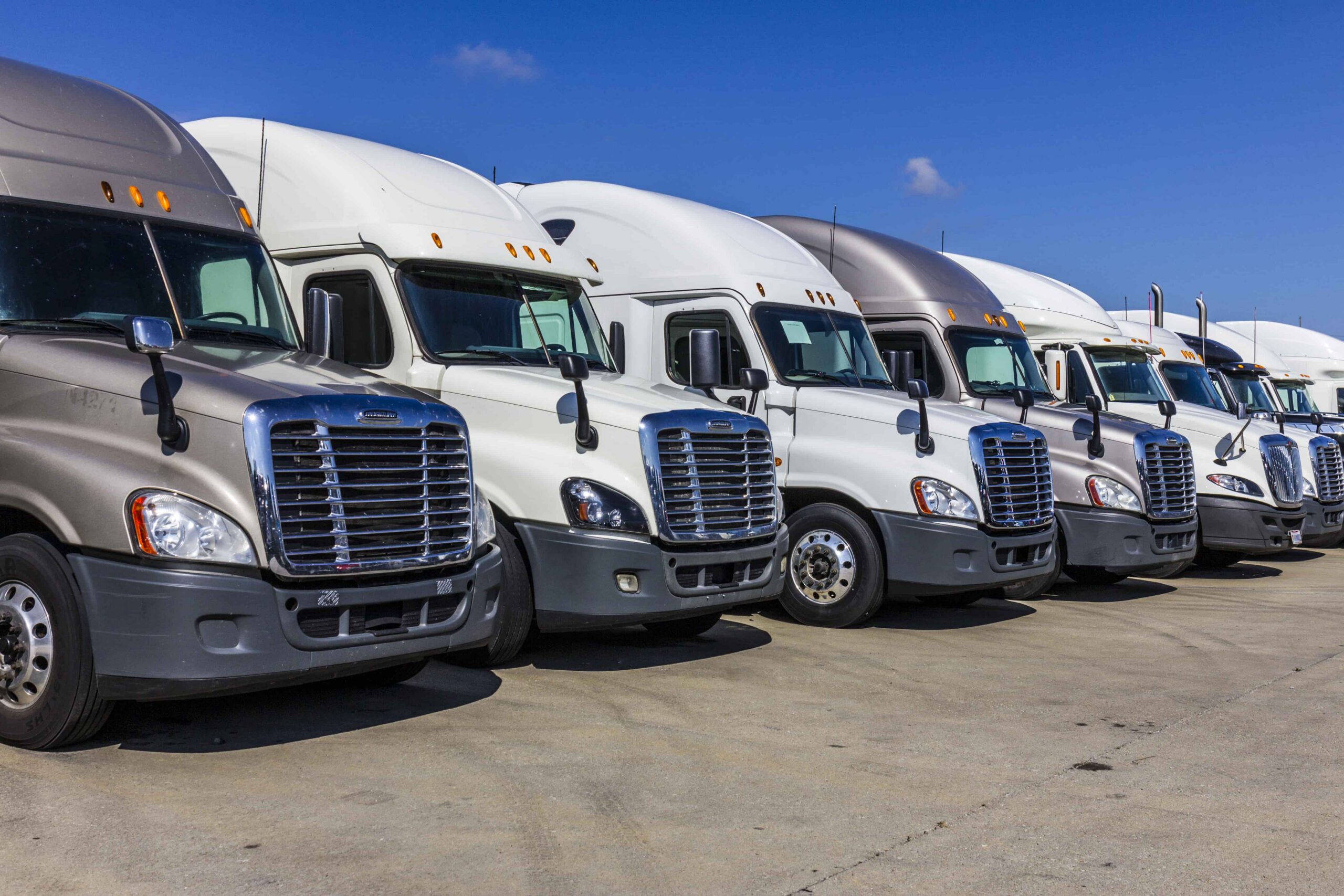
The trucking company that employs or contracts with a driver often bears significant responsibility for crashes. Federal regulations impose specific duties on motor carriers, and companies that fail to meet these obligations may face direct liability for resulting accidents.
Vicarious Liability for Employee Actions
Under the legal doctrine of respondeat superior, employers bear liability for negligent acts their employees commit within the scope of employment. When a truck driver causes a crash while performing job duties, the trucking company typically shares liability for the driver's negligence.
This doctrine applies regardless of whether the company itself did anything wrong. The employment relationship alone creates liability. However, trucking companies sometimes try to avoid this exposure by classifying drivers as independent contractors rather than employees.
Negligent Hiring and Supervision
Trucking companies face independent liability when they hire unqualified drivers or fail to supervise their workforce properly. FMCSA regulations under 49 CFR Part 391 establish minimum qualifications for commercial drivers. Companies must verify driving records, conduct background checks, and confirm medical fitness before allowing someone to operate their vehicles.
The following failures may support claims of trucking company negligence:
- Hiring drivers with histories of serious traffic violations or DUI convictions
- Failing to verify that drivers hold valid Commercial Driver's Licenses
- Ignoring poor performance reviews or safety complaints about specific drivers
- Failing to provide adequate training on vehicle operation and safety procedures
- Pressuring drivers to violate hours-of-service regulations to meet delivery deadlines
Each failure represents a corporate decision that placed profits or convenience above public safety.
Unsafe Scheduling and Dispatch Practices
Trucking companies control delivery schedules that drivers must meet. When companies set unrealistic timelines, drivers face pressure to speed, skip rest breaks, or drive through dangerous weather conditions. These scheduling decisions occur at the corporate level, not in the driver's cab.
Evidence of scheduling pressure may include dispatch records, delivery contracts with penalty clauses, and communications between drivers and supervisors. When investigation reveals that a company's practices systematically encouraged unsafe driving, the company may face substantial liability.
Cargo Loader and Shipper Liability
The parties responsible for loading cargo onto trucks may bear liability when improper loading contributes to crashes. Cargo that shifts during transit, exceeds weight limits, or is improperly secured creates dangers that drivers may not be able to control.
Third-Party Loading Companies
Many trucking operations involve separate companies that load freight onto trailers at warehouses or distribution centers. These third-party loaders handle the physical work of stacking cargo and securing it with tiedowns, straps, and blocking materials. When they fail to follow proper procedures, the consequences can be catastrophic.
Improperly loaded cargo may cause rollovers when weight shifts during turns or emergency maneuvers. Unsecured items may fall from trucks onto roadways. Overloaded trailers may exceed the braking capacity of the vehicle, leading to rear-end collisions.
Shipper Responsibility
Shippers who arrange for cargo transport may share liability when they control loading, provide inaccurate cargo information, or create hidden hazards the carrier could not reasonably detect. A shipper that misrepresents cargo weight on bills of lading makes it impossible for drivers and carriers to comply with legal weight limits. Shippers that package hazardous materials improperly create dangers that extend throughout the transportation chain.
The following parties may share liability in cargo-related truck crashes:
- Third-party warehouse companies that physically loaded the trailer
- Shipping companies that arranged the freight transport
- Freight brokers who coordinated the shipment
- Any party that provided inaccurate information about cargo weight or contents
Identifying these parties requires investigation into the cargo's chain of custody before the crash.
Sealed Trailer Issues
Many truck drivers receive pre-loaded, sealed trailers that they are prohibited from opening or inspecting. In these situations, the driver has no practical way to verify proper loading. When crashes result from cargo problems in sealed trailers, liability often falls primarily on the parties who controlled the loading process.
Maintenance Company Liability

Mechanical failures cause a significant percentage of serious truck crashes. Brake failures, tire blowouts, steering malfunctions, and other equipment problems may trace back to negligent maintenance by third-party repair shops or the trucking company's own maintenance department.
Negligent Repairs and Inspections
Trucking companies must maintain their vehicles in accordance with the federal standards set forth in 49 CFR Part 396. These regulations require systematic inspection, repair, and maintenance programs. Many companies contract with outside maintenance providers to perform this work.
When a maintenance provider fails to identify worn brake components, ignores tire damage, or improperly repairs critical systems, they may bear liability for resulting crashes. Maintenance records become critical evidence in these cases, showing what work was performed and what problems may have been missed.
Falsified Maintenance Records
Some maintenance providers or trucking companies falsify inspection records to avoid the cost of proper repairs or to keep trucks on the road generating revenue. When investigation reveals that maintenance logs do not match the actual condition of vehicle components, this evidence may support claims of fraud and negligence.
Maintenance-related evidence that may support liability claims includes:
- Vehicle inspection reports and maintenance logs
- Work orders for repairs performed before the crash
- Parts replacement records and invoices
- Driver vehicle inspection reports (DVIRs) noting mechanical problems
- Post-crash inspection findings that reveal pre-existing defects
To prevent records from being altered or destroyed, preservation demands for this evidence must often be sent immediately following a crash.
Manufacturer and Product Liability
When defective vehicle components contribute to crashes, the manufacturers of those parts may bear liability under product liability law. These claims differ from negligence claims because they focus on the product itself rather than the conduct of specific parties.
Defective Truck Components
Commercial trucks contain thousands of components that must function properly for safe operation. Brakes, tires, steering systems, lighting, coupling devices, and safety equipment all present potential failure points. When a component fails due to design defects, manufacturing errors, or inadequate warnings, the manufacturer may face liability.
Product liability claims may apply to brake systems that fail under normal operating conditions, tires that experience blowouts despite proper maintenance, and safety devices like underride guards that fail to perform as intended. These claims require technical evidence establishing that the product was defective when it left the manufacturer.
Recall History and Known Defects
Manufacturers sometimes know about defects in their products before crashes occur. Recall histories, technical service bulletins, and prior lawsuits may reveal that a manufacturer was aware of problems but failed to adequately address them. This evidence may support claims that the manufacturer acted negligently in addition to producing a defective product.
Why Multiple Defendants Matter
Identifying all potentially liable parties serves practical purposes beyond assigning blame. Each defendant typically carries separate insurance coverage, and the combined coverage across multiple defendants may better address the full scope of damages in catastrophic injury cases.
Expanding Available Insurance Coverage
A truck driver may carry limited personal coverage. The trucking company may have a $1 million liability policy. A cargo loading company may carry separate coverage. A maintenance provider may have its own policy. When multiple parties share liability, their combined coverage becomes potentially available to compensate injured families.
This explains why a thorough investigation matters in truck accident cases. A claim that initially appears limited to the driver may expand significantly when investigation reveals maintenance failures, cargo problems, or corporate negligence.
Preventing Blame Shifting
When only one defendant faces a lawsuit, that defendant has no one else to blame. When multiple defendants are named, they often begin pointing fingers at each other. This dynamic may benefit injured families by revealing information that defendants might otherwise conceal.
A trucking company may argue the maintenance provider caused the crash. The maintenance provider may blame the manufacturer. Each defendant's efforts to deflect responsibility may produce evidence and admissions that strengthen the injured party's overall case.
Evidence That Reveals Hidden Liability
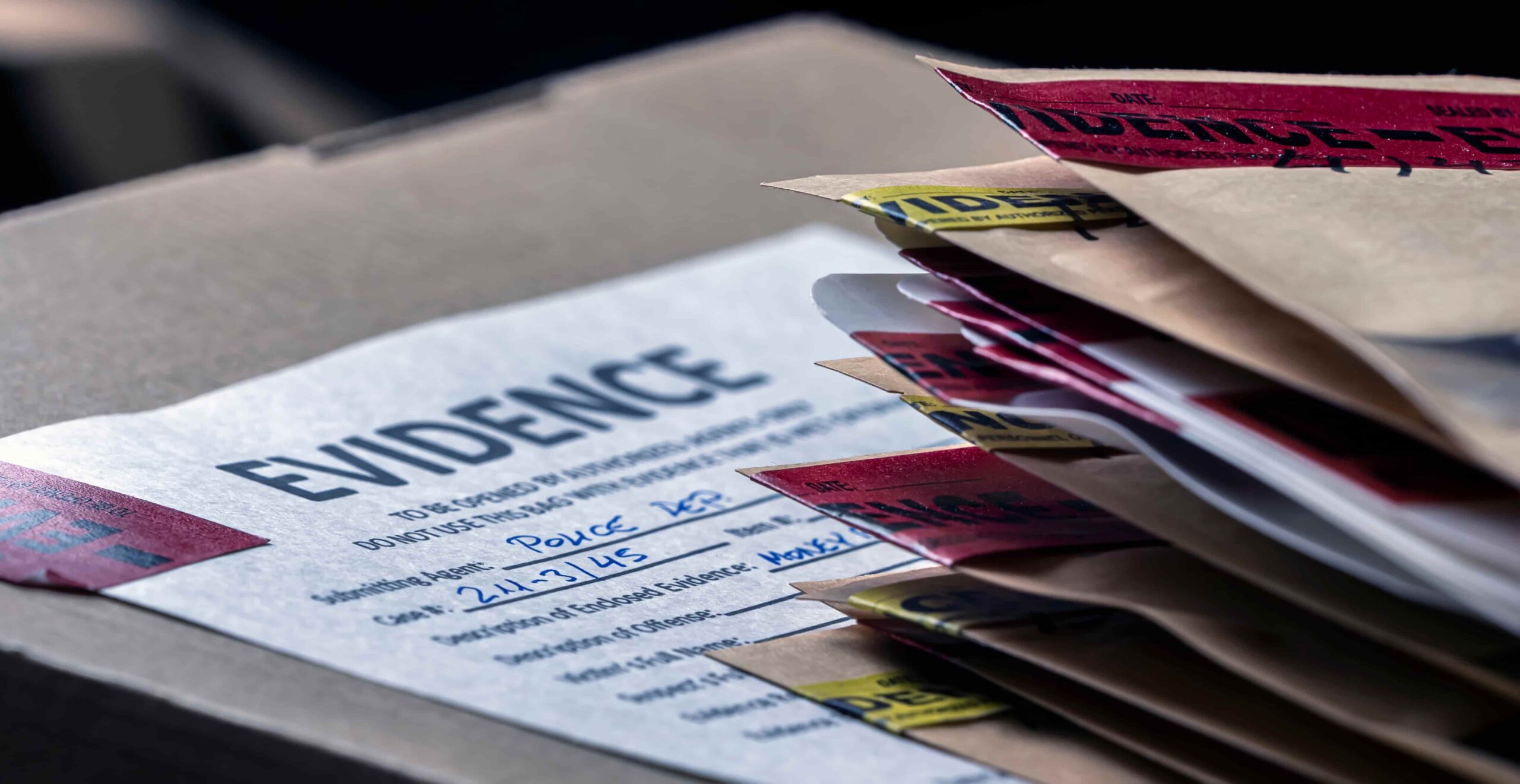
Truck accident investigation requires access to evidence that exists primarily in the hands of defendants. Federal regulations require trucking companies to maintain extensive records, but accessing those records often requires formal legal action.
Federal Safety Records
FMCSA regulations create documentation requirements covering nearly every aspect of trucking operations. Driver qualification files, hours-of-service records, vehicle maintenance logs, and company safety ratings all become potentially relevant after a crash.
The following records often reveal evidence of liability beyond the driver:
- Driver qualification files showing hiring and training practices
- Electronic Logging Device (ELD) data documenting hours-of-service compliance
- Vehicle maintenance records and inspection reports
- Dispatch records showing scheduling practices
- Corporate safety policies and their enforcement history
Obtaining these records requires knowing what exists and how to demand its preservation before routine business practices destroy it.
Preserving Evidence Before It Disappears
Evidence in truck accident cases disappears faster than in typical car crashes. Electronic data may be overwritten within days. Vehicles may be repaired or scrapped. Witnesses become harder to locate. Companies that anticipate litigation sometimes fail to preserve records properly.
Early investigation and prompt preservation demands often determine whether evidence of hidden liability survives long enough to support claims. Once critical records disappear, the parties responsible for destroying them may be the only ones who benefit.
FAQ for Truck Accident Liability
What if the trucking company claims the driver was an independent contractor?
Trucking companies sometimes classify drivers as independent contractors to distance themselves from liability. However, courts examine the actual working relationship, not just the contract label. If the company controlled the driver's routes, schedules, and methods, courts may find an employment relationship exists regardless of how the parties labeled it. In addition, federal leasing regulations often require motor carriers to assume responsibility for vehicles operated under their authority, even when drivers are labeled as independent contractors.
Does the truck owner always face liability if they did not cause the crash?
The truck's registered owner may face liability in certain circumstances, but federal law limits this exposure. Under the Graves Amendment, a company that merely owns or leases a truck is generally not liable for a driver's negligence unless the owner's own conduct contributed to the crash, such as negligent maintenance or negligent entrustment. Lease terms and federal regulations still play an important role in determining responsibility.
What happens when defendants blame each other for the crash?
When multiple defendants point fingers at each other, injured parties generally benefit from the resulting disclosure of information. Each defendant's attempts to shift blame may produce documents, testimony, and admissions that clarify what actually happened. Texas law allows juries to assign fault percentages to each responsible party.
Does manufacturer liability require recalling the defective part?
A product may be defective even if no recall has been issued. Recalls typically occur only after a pattern of failures becomes undeniable. A manufacturer may face liability for crashes caused by defective products before any recall occurs, particularly if evidence shows the manufacturer knew or should have known about the defect.
What if the crash involved a government-owned or operated truck?
Claims against government entities follow different rules, including shorter notice deadlines and potential damage caps. Texas law imposes specific requirements for claims against state and local governments that do not apply to private defendants. These procedural differences make early legal consultation particularly important in crashes involving government vehicles.
When Fault Runs Deeper Than One Driver
A serious truck crash on Texas highways often results from failures that extend far beyond the driver's cab. Corporate scheduling decisions, maintenance shortcuts, cargo loading errors, and defective components may all contribute to a single collision. Identifying every responsible party requires investigation that begins immediately and reaches into records that defendants prefer to keep hidden.
Cowen Law represents families throughout San Antonio and across Texas in complex truck accident cases involving multiple defendants. Our truck accident attorneys understand how trucking companies structure their operations to minimize liability exposure, and we know where to find evidence of corporate negligence. We handle these cases on a contingency fee basis, which means families pay nothing unless we recover compensation on their behalf. If you suspect your crash involved more than just driver error, a conversation with our team may help you understand your options and fight for fair compensation.
Call us at (210) 941-1306 for a free consultation or contact us below. No cost to you unless we win.