A wreck on Earl Rudder Freeway or Harvey Mitchell Parkway can change your day in seconds. One moment you're heading to campus or across town, and the next you're standing on the shoulder of Highway 6 with a damaged car, a racing heart, and someone already asking you questions you're not ready to answer. What you do in the next hour, and over the next few days, shapes your health, your finances, and whether the at-fault driver's insurer takes your claim seriously.
You don't have to sort through it alone. This guide gives you clear actions for the moments after a crash in College Station, Bryan, and across the Brazos Valley. Follow them, and you protect your recovery and your right to full compensation at the same time.
What Should You Do After a Car Accident in College Station or Bryan?
Get to safety and call 911, photograph everything at the scene, and see a doctor the same day even if you feel fine. Then report the crash to your insurer without giving a recorded statement, and talk to a car accident lawyer before you accept any offer from the other driver's insurance company.
The Moves That Protect You
Before the details, here's what carries the most weight:
- Your health comes first, and it's also evidence. Same-day medical care treats hidden injuries and ties them to the crash, which matters when an insurer later claims you weren't really hurt.
- Documentation at the scene wins claims later. Photos, witness names, and the crash report are far harder to dispute than your memory weeks down the road.
- What you say to insurance adjusters can cost you. A friendly recorded statement is designed to lock you into words that reduce your payout.
- Deadlines and evidence both fade. Texas gives you two years to file most injury claims, but skid marks, camera footage, and witness memories disappear in days.
At the Scene: Put Safety First
Check for Injuries
Look yourself over, then check your passengers. Adrenaline masks pain, so a "fine" in the first minutes doesn't mean much. If anyone is hurt, don't move them unless there's a fire or another immediate danger.
Call 911
Report the crash and request police and, if needed, an ambulance. In College Station and Bryan, officers will document the scene and file a Texas Peace Officer's Crash Report (CR-3), which becomes a cornerstone of your claim. Ask for the officer's name and badge number, and note that you can later purchase the report through TxDOT's Crash Records Information System.
Get Out of the Travel Lanes
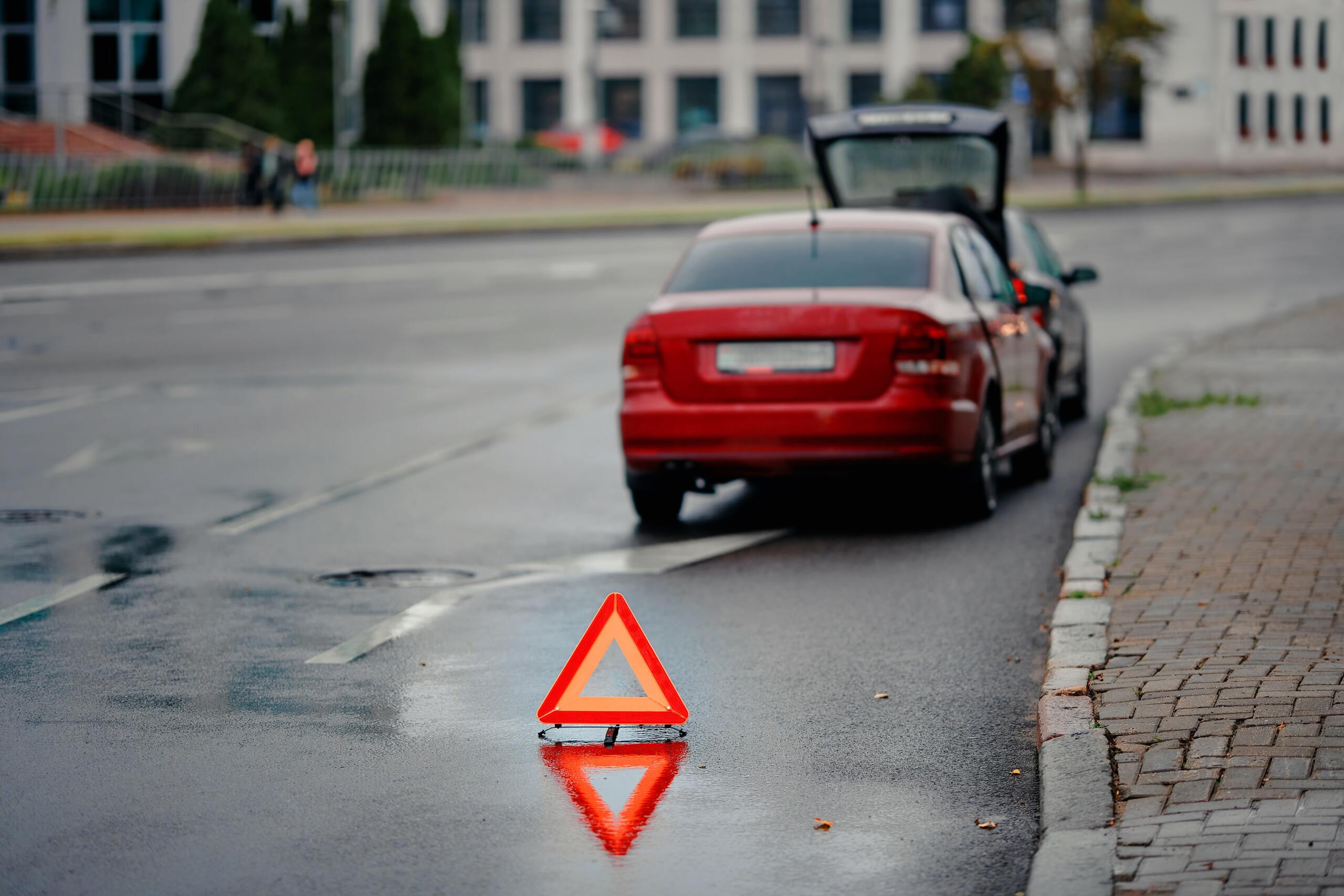
Highway 6 and Harvey Mitchell Parkway carry fast, heavy traffic, and a stopped car in a live lane invites a second collision. If the vehicles are drivable and no one is seriously hurt, move them to the shoulder or a nearby lot. Turn on your hazards. If they can't be moved safely, leave them, get yourself behind a barrier, and wait for police.
Build Your Evidence Before You Leave
Your phone is the most useful tool you have in the next fifteen minutes. Capture more than you think you need:
- Wide shots showing both vehicles, their positions, and the roadway
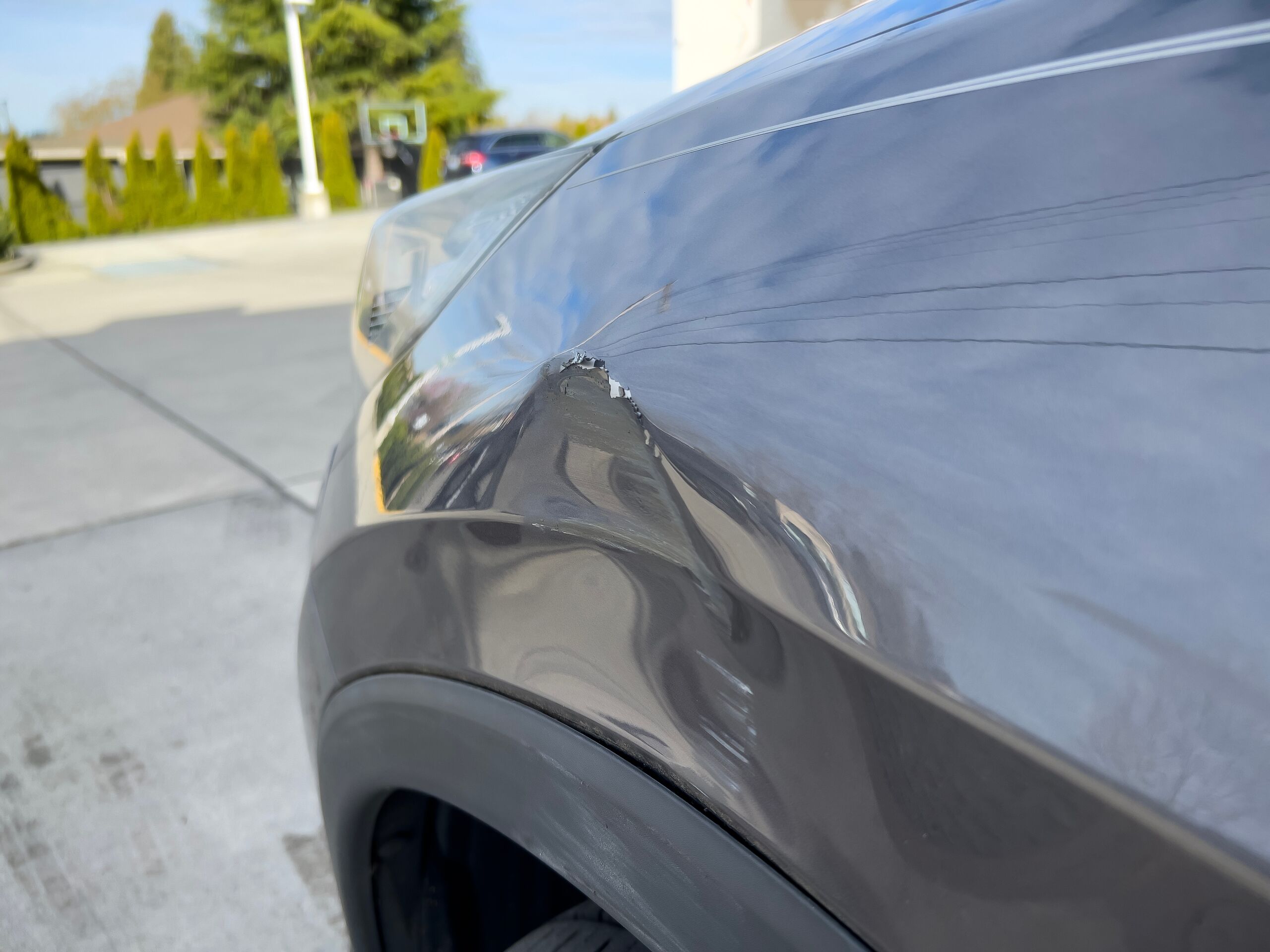
- Close-ups of all damage on every vehicle involved
- The other driver's license plate, insurance card, and driver's license
- Traffic signals, stop signs, skid marks, debris, and any obstructions
- Visible injuries on you and your passengers
- Nearby businesses or intersections that might have security or traffic cameras
Get names and phone numbers from anyone who saw what happened. Witnesses leave quickly, and a neutral account of who ran the light can decide a disputed case. If a nearby store has a camera pointed at the road, note it. Footage often gets overwritten within days.
Trade Information Carefully
Exchange the basics with the other driver: name, phone number, license, insurance, and vehicle details. Keep it civil and short.
Watch what you say. An apology or a casual "I didn't see you" can be twisted into an admission of fault, and Texas follows a proportionate responsibility rule that reduces your recovery by your share of the blame. Under that rule, if you're found more than 50 percent at fault, you recover nothing at all, so the story an insurer builds about the crash matters enormously. Stick to facts when you talk to police, and say nothing about fault to the other driver or their passengers. You can be kind without narrating a legal theory of the crash.
If the other driver refuses to share information or tries to leave, don't chase them or block them in. Get the license plate, note the make and model, and tell the responding officer. A hit-and-run doesn't end your options, and your own uninsured motorist coverage may step in to cover your losses.
See a Doctor Even If You Walked Away
Whiplash, concussions, and internal injuries often show up hours or days later, once the adrenaline fades. Go to an emergency room, urgent care, or your physician the same day.
Same-day care matters for two reasons:
- It catches injuries early, when treatment works best and complications are easier to prevent.
- It creates a medical record dated to the crash, closing the gap insurers use to argue your injury came from something else.
Keep every record, bill, and discharge instruction. Follow the treatment plan and go to your follow-up appointments. Gaps in care become the insurer's favorite talking point.
Report the Crash the Right Way
Notify your own insurance company promptly, as your policy requires. Give them the plain facts: where, when, who was involved.
Handle the other driver's insurer with more caution:
- You are not required to give a recorded statement to the at-fault party's insurance company.
- Don't accept a fast settlement check before you know the full extent of your injuries. Once you sign, the claim is closed for good.
- Don't sign a medical authorization that hands over your entire history. They'll comb it for anything to blame instead of the crash.
- Write down the adjuster's name, the claim number, and the date of every call.
Guard Your Claim in the Days That Follow
The work isn't over when you leave the scene. Small habits in the first week protect a claim worth far more than most people expect:
- Keep a folder with the crash report, medical bills, repair estimates, and rental receipts.
- Track your symptoms, missed work, and out-of-pocket costs in a simple daily log.
- Stay off social media about the wreck. A photo of you smiling at a family cookout becomes "proof" you weren't hurt.
- Don't repair or dispose of your vehicle until it's been documented, since the damage itself is evidence.
Mistakes That Can Sink Your Claim
Even a strong case loses value fast when the wrong move goes unnoticed. Steer clear of these:
- Admitting fault or guessing at the cause while emotions are still running high
- Skipping medical care, or letting weeks pass between appointments
- Giving the other driver's insurer a recorded statement without legal advice
- Posting about the crash, your injuries, or your weekend plans online
- Taking the first settlement offer before you know your prognosis
- Waiting so long that camera footage, skid marks, and witnesses are gone
Each one hands the insurance company a reason to pay you less. A short conversation with a College Station car accident lawyer in the first days keeps you from stepping on any of them.
The Roads Where College Station and Bryan Crashes Happen
Local drivers know where the risk concentrates, and so do we. Certain corridors in the Brazos Valley produce serious wrecks again and again:
- State Highway 6 (Earl Rudder Freeway). High speeds, heavy commercial traffic, and frequent merges make rear-end and lane-change crashes common.
- Harvey Mitchell Parkway (FM 2818). The loop's busy intersections and on-ramps see hard side-impact collisions.
- University Drive and Texas Avenue. Dense retail traffic, constant turning movements, and pedestrians raise the odds of a wreck.
- Wellborn Road near campus. Rail crossings, student foot traffic, and stop-and-go congestion create a tricky mix.
- Game-day and move-in weekends. When Kyle Field fills and tens of thousands pour into town, unfamiliar drivers and packed roads spike crash numbers.
Highway 6 also carries a steady flow of trucks running between Bryan-College Station and Houston, which raises the stakes on that corridor. Amazon, FedEx, and regional freight traffic share those lanes with student commuters and families, and the size difference turns an ordinary mistake into a catastrophic wreck.
A crash involving an 18-wheeler or delivery truck is a different animal from a fender-bender. Commercial carriers have teams working to limit their liability within hours, sending investigators to the scene and controlling the evidence before you've left the ER. Preserving logbooks, dashcam footage, and maintenance records early can make or break the case, and that's a race you don't want to run without help.
When to Bring in a Car Accident Lawyer
Not every minor crash needs an attorney. But certain situations call for one before you talk to anyone else:
- You or a passenger suffered serious, lasting, or disputed injuries
- The other driver was uninsured, or fault is being contested
- A commercial truck, rideshare, or delivery vehicle was involved
- The insurance company is pressuring you toward a quick, low settlement
- A death resulted from the crash
A lawyer levels a field that's tilted against you. Insurers investigate immediately, hire experts, and calculate the least they can pay. You deserve the same firepower on your side, working to value your claim honestly and hold the responsible party accountable.
Most car accident attorneys, including our firm, work on a contingency fee and offer a free consultation. You pay nothing upfront and nothing at all unless money is recovered for you. That means there's no financial risk in simply asking whether you have a case, and no reason to face the insurance company on your own while you're still healing. The sooner you make the call, the more of your evidence survives.
What a Car Accident Claim Can Cover in Texas
A crash costs you far more than a bent bumper, and Texas law lets you recover for the full weight of it. Depending on your case, compensation may include:
- Emergency care, hospital bills, surgery, and ongoing treatment
- Physical therapy, medication, and the future medical needs a serious injury creates
- Lost wages now, and reduced earning capacity if you can't work the way you did before
- Vehicle repair or replacement, plus a rental while you're without a car
- Pain, suffering, and the daily toll the injury takes on your life
- Loss of companionship, or wrongful death damages for the family when a crash turns fatal
Put a number on all of it, not just the bills stacked on your kitchen counter. Insurers count on you undervaluing your own claim and settling early. A seasoned attorney builds the full picture, including the costs you'll still be paying long after the wreck.
Talk to Cowen | Rodriguez | Peacock Today
You focus on healing. Let us handle the rest.
- We deal with the insurance companies so you're not fielding their calls alone.
- We investigate the crash, preserve time-sensitive evidence, and identify every party who owes you.
- You speak directly with an attorney, not just a paralegal, from day one.
- We prepare every case as if it's going to trial, because that's what gets results.
If you or someone you love has been hurt in a car accident in College Station, Bryan, or anywhere in Texas, call Cowen | Rodriguez | Peacock at (210) 941-1301 for a free consultation. There's no cost to you unless we recover money for you, and we are always ready and willing to go to trial to fight for the justice you deserve.