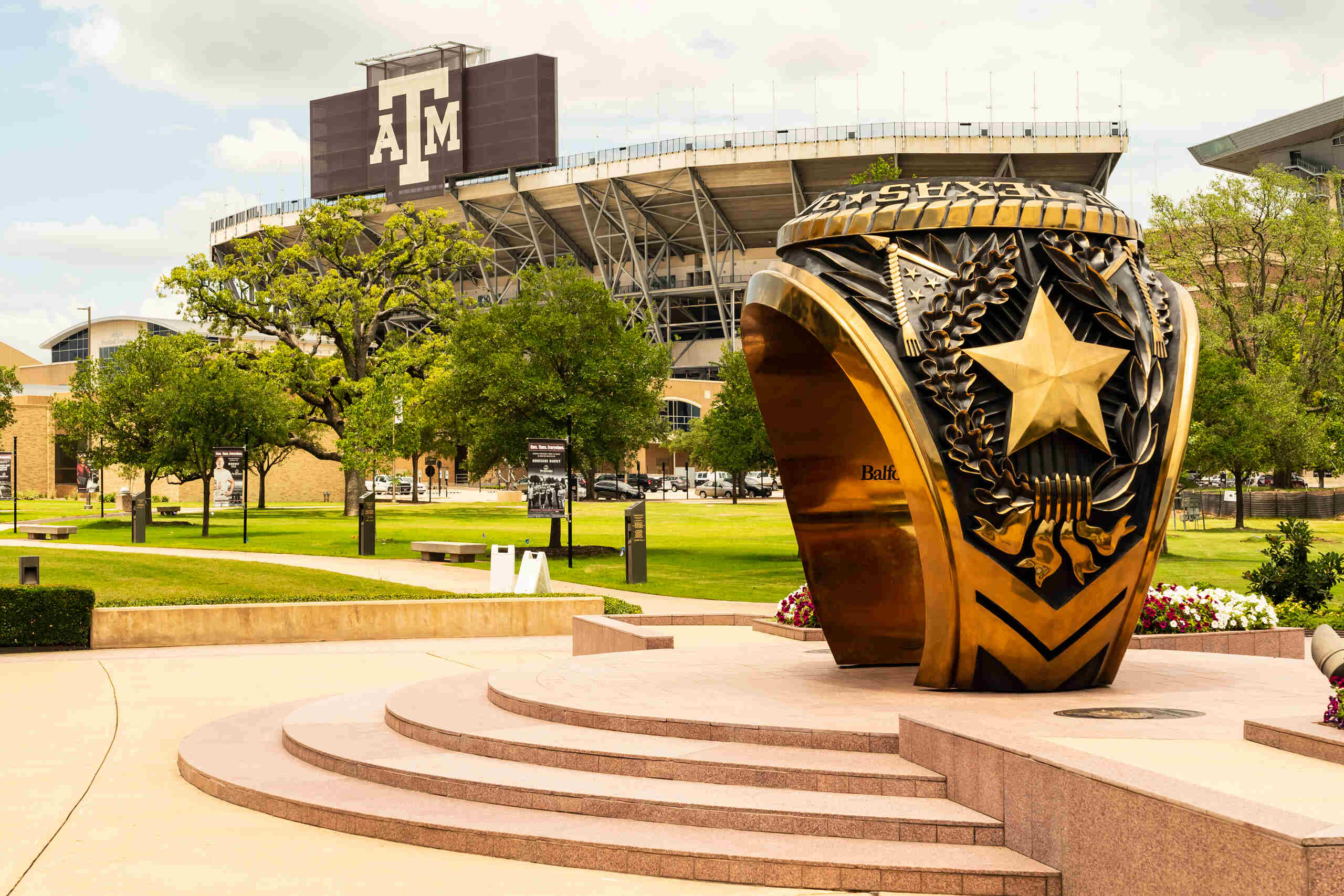
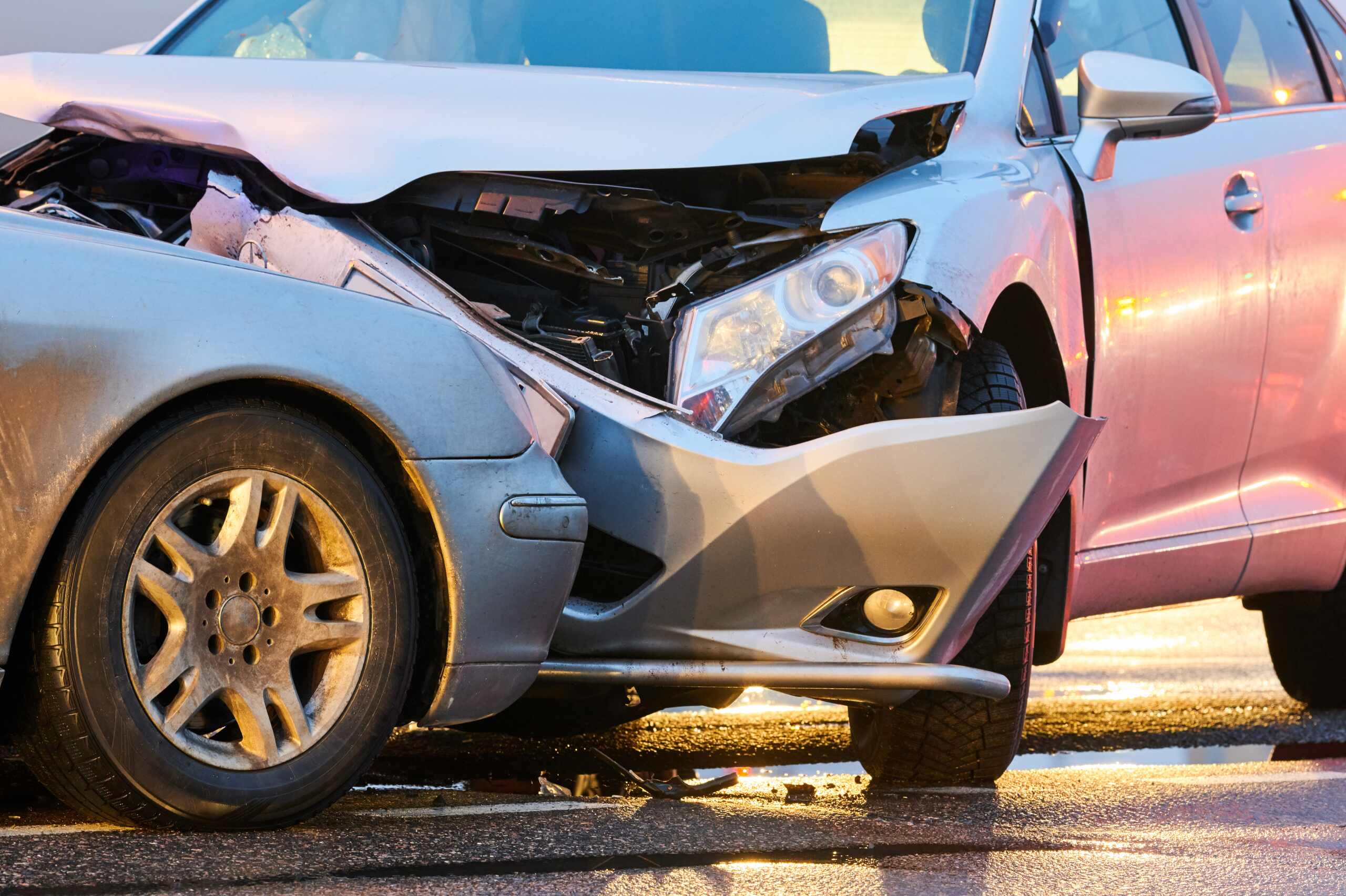
A gameday car accident in College Station creates immediate legal and insurance problems. Temporary road closures, officer-directed traffic, rideshare vehicles, heavy pedestrian activity, and out-of-town drivers can make fault harder to prove and give insurers more opportunities to shift blame.
Cowen | Rodriguez | Peacock investigates these crashes before evidence disappears. We secure video, vehicle data, rideshare records, witness accounts, and traffic-control information. Known as The Trucking Trial Lawyers, we bring the same trial-ready discipline used in complex commercial vehicle cases to serious College Station car accident claims.
Key Takeaways for a Car Accident on Gameday in College Station
- Temporary lane changes, road closures, and officer directions directly affect how fault is determined after a College Station gameday crash.
- Video, vehicle data, rideshare records, and witness information can disappear within days unless someone moves quickly to preserve them.
- Cowen | Rodriguez | Peacock investigates every responsible driver, employer, rideshare company, vehicle owner, and insurance policy.
- Texas allows an injured person to recover compensation when that person is 50 percent or less responsible for the crash.
- Most Texas personal injury lawsuits must be filed within two years, but the evidence needed to win the case disappears much sooner.
What should injured people know after a College Station gameday crash?
A gameday accident may involve altered traffic routes, several drivers, rideshare coverage, and evidence that can disappear quickly, but the same Texas liability and filing rules still apply.
Why Is a Car Accident on Gameday in College Station Different?
A gameday crash is different because the normal rules of movement around College Station can change within hours. Temporary closures, redirected lanes, police-controlled intersections, rideshare staging areas, and waves of pedestrian traffic create evidence issues that do not exist in an ordinary collision.
We investigate the exact traffic pattern in place when the crash occurred. That means identifying which roads were closed, which turns were restricted, whether an officer controlled the intersection, and what nearby cameras recorded.
Road Closures Can Change Normal Driving Patterns
Temporary closures and traffic controls can change how vehicles enter and leave the Texas A&M campus area. Drivers may be directed away from their usual routes or required to travel in lanes that normally operate differently.
Texas A&M Transportation Services reports that some pregame closures begin several hours before kickoff. Postgame closures may begin near the start of the fourth quarter as officials prepare to move vehicles and pedestrians away from the stadium.
Drivers can review the university’s current football traffic and parking information before traveling.
After a crash, these temporary conditions may raise questions about:
- Which lanes were open
- Whether turns were restricted
- What signs or barricades were present
- Whether an officer was directing traffic
- Whether the usual traffic signal pattern had changed
- Where vehicles were permitted to enter or exit
Photos, traffic plans, officer reports, and nearby video may help reconstruct the conditions in place at the time.
| Gameday Factor | Why It May Matter to a Claim | Evidence That May Help |
| Temporary road closure | May change which movements were permitted | Traffic plans, signs, photographs, and police records |
| Officer-directed traffic | May override the ordinary signal pattern | Body camera footage, witness statements, and reports |
| Heavy pedestrian activity | May affect visibility and driver response | Video, lighting information, and witness accounts |
| Rideshare vehicle | May involve different coverage based on app status | App records, GPS data, trip logs, and policy documents |
| Multi-vehicle congestion | May make fault harder to separate | Vehicle data, damage patterns, video, and reconstruction |
| Out-of-town driver | May explain confusion but does not excuse negligence | Navigation data, statements, and phone records |
How Is Fault Determined After a College Station Gameday Crash?
Fault depends on what each driver did, which traffic controls applied, and whether that conduct caused the collision. Heavy traffic and unfamiliar roads do not excuse speeding, distraction, unsafe turns, or failure to follow an officer’s directions.
Cowen | Rodriguez | Peacock does not accept an insurer’s version of fault without testing it against the evidence. We compare driver statements with video, temporary traffic plans, vehicle damage, electronic data, witness accounts, and the instructions officers gave at the scene.
Temporary Traffic Rules Still Require Reasonable Care
Drivers must respond reasonably to the conditions around them. That includes slowing down when traffic is congested, watching for pedestrians, following officer directions, and leaving enough space to stop.
Evidence of negligence may include:
- Speeding in congested traffic
- Following too closely
- Ignoring cones or barricades
- Making an unsafe turn
- Driving against directed traffic
- Using a phone behind the wheel
- Failing to yield to a pedestrian
- Driving while impaired
- Entering an intersection without enough space to clear it
The fact that traffic was confusing may explain how a mistake happened, but it does not automatically remove responsibility.
Several Drivers May Share Fault
More than one driver may share responsibility in a chain-reaction crash. One vehicle may stop suddenly, another may follow too closely, and a third may enter the collision while distracted.
Texas uses proportionate responsibility. An injured person can generally recover when that person’s share of fault is 50 percent or less. The recovery is reduced by the assigned percentage. A person found more than 50 percent responsible generally cannot recover.
For example, a person with $100,000 in damages who is found 20 percent responsible may have the recovery reduced to $80,000.
We Challenge Unsupported Fault Decisions
An insurance adjuster does not have the final word on who caused the crash. Early insurance decisions often rely on incomplete statements, a limited police report, or the account provided by the company’s own policyholder.
We conduct an independent investigation. When the evidence contradicts the insurer’s position, we use that evidence to challenge its fault decision and prepare the case for litigation.
What Evidence Matters After a College Station Gameday Car Accident?
The evidence that proves a gameday crash often disappears quickly. Businesses overwrite surveillance recordings, rideshare platforms retain key information, witnesses leave College Station, and vehicles are repaired.
We identify the evidence needed to prove fault and demand its preservation. Our investigation focuses on the temporary traffic conditions, each vehicle’s movement, the driver’s actions, and all insurance policies associated with the collision.
Video May Show the Traffic Pattern and Collision
Video can show which lanes were open, how vehicles moved, whether pedestrians blocked a driver’s view, and whether a traffic officer was present.
Potential video sources include:
- Nearby businesses
- Parking facilities
- Apartment buildings
- Dash cameras
- Rideshare vehicles
- Buses and shuttles
- Doorbell cameras
- Traffic management systems
- Mobile phone recordings
A business may routinely erase footage after a short retention period. Identifying possible cameras early gives an attorney more time to request preservation.
Electronic Records May Show What a Driver Was Doing
Digital information may help establish speed, braking, location, app use, or distraction. The type of data available depends on the vehicles and drivers involved.
Relevant records may include:
- Event data recorder information
- Navigation history
- Phone activity
- Text records
- Rideshare app status
- GPS location
- Trip acceptance records
- Company dispatch communications
Obtaining some records may require formal legal requests or a lawsuit.
Witness Details Can Be Hard to Recover Later
Many potential witnesses may leave College Station shortly after the game. Visiting fans, students, rideshare passengers, and employees may return to other cities or states.
Useful information can include:
- Names
- Phone numbers
- Email addresses
- Photographs
- Short written descriptions
- Vehicle or rideshare information
A witness who saw the traffic signal, officer direction, or first collision may help resolve a disputed account. Cowen | Rodriguez | Peacock builds serious accident cases as though a jury will decide them. We do not wait for the insurance company to conduct a fair investigation. We secure the evidence ourselves and use it to control the direction of the claim.
What Compensation May Be Available After a Gameday Crash?
An injured person can pursue compensation for every financial and personal loss caused by the crash. That includes current medical bills, future care, lost income, reduced earning ability, property damage, pain, impairment, mental anguish, and disfigurement when supported by the evidence.
Cowen | Rodriguez | Peacock does not value a serious injury claim from the first stack of bills. We investigate how the injuries affect the client’s work, independence, family life, and future. We also pursue every available policy and every responsible party.
Medical and Financial Losses May Be Included
A car accident claim may include:
- Medical bills
- Future medical care
- Lost wages
- Reduced earning ability
- Vehicle repair or replacement
- Towing and storage expenses
- Transportation costs
- Physical pain and suffering
- Mental anguish
- Physical impairment
- Disfigurement
A claim involving a fatal collision may include separate wrongful death and estate-related losses.
We Pursue Every Available Insurance Policy
The other driver’s personal auto policy is often only the starting point. A gameday crash can involve rideshare coverage, commercial insurance, an employer’s policy, a vehicle owner’s policy, uninsured or underinsured motorist coverage, or an umbrella policy.
We examine the driver’s activity, vehicle ownership, employment status, app records, and policy language. We do not assume the first policy identified is the only source of recovery.
Early Settlement Offers May Leave Losses Unpaid
An early offer may arrive before the injured person knows the full cost of the collision. Accepting it usually requires signing a release that ends the claim.
Before evaluating an offer, it can help to determine:
- Whether more treatment is expected
- Whether time away from work will continue
- Whether an injury will limit future employment
- Whether another insurance policy applies
- Whether medical reimbursement claims exist
- Whether the insurer has assigned unfair fault
A settlement cannot usually be reopened simply because later expenses are higher than expected.
How Long Do I Have to File a College Station Car Accident Claim?
Texas generally provides two years to file a personal injury lawsuit arising from a car accident. Some exceptions and shorter notice requirements may apply, so the exact deadline should be reviewed based on the parties involved.
The General Texas Deadline Is Two Years
The general deadline appears in Texas Civil Practice and Remedies Code Section 16.003. The statute generally requires personal injury lawsuits to be filed within two years after the claim accrues. Wrongful death actions are generally subject to a two-year period measured from the date of death.
Claims Involving Public Entities May Have Earlier Notice Rules
A collision involving a government vehicle or a condition allegedly created by a public entity may have separate notice requirements. Those requirements can arise long before the general lawsuit deadline.
Potentially relevant vehicles may include:
- City vehicles
- University vehicles
- Public transportation vehicles
- Police vehicles
- Government maintenance vehicles
The correct deadline depends on the defendant and facts.
Evidence Does Not Wait for the Filing Deadline
The two-year period does not preserve video, phone records, rideshare information, or witness memories. A legally timely lawsuit can still be harder to prove when the investigation starts too late.
Early review may help identify:
- Which businesses had cameras
- Whether a rideshare company has trip data
- Which traffic plan applied
- Whether a vehicle contains electronic data
- Which insurer received notice
- Whether a shorter claim requirement applies
College Station Gameday Car Accident Questions Answered by Our Attorneys
Can a Passenger File a Claim After a Gameday Accident?
A passenger may usually pursue a claim against any driver or company whose negligence caused the injuries. That may include the driver of the vehicle carrying the passenger, another motorist, or both.
What Happens If the Driver Leaves the Scene?
An injured person may still have options after a hit-and-run crash. Police evidence, video, witness information, vehicle debris, and uninsured motorist coverage may help identify a source of recovery.
Can I File a Claim for a Crash in a Parking Garage or Private Lot?
A claim may still be available when a collision occurs in a garage, paid lot, apartment lot, or private parking area. Right-of-way rules, signs, surveillance footage, parking records, and driver conduct may help establish fault.
What If I Live Outside College Station?
A visitor may pursue a Texas car accident claim even if that person lives in another city or state. Many parts of the investigation and claim process can be handled without repeated travel to College Station.
Can traffic changes around Kyle Field affect who was at fault?
Yes. Temporary lane directions, barricades, officer instructions, and altered signal patterns may affect what each driver was permitted or expected to do. Photographs, official traffic plans, police video, and witness accounts may help establish the conditions in effect when the crash occurred.
What if I was hit by an Uber after the game?
The available coverage may depend on whether the driver was logged into the app, waiting for a request, traveling to a passenger, or completing a ride. App records, trip data, and policy documents can help determine whether personal or rideshare insurance applies.
Can I make a claim if the police report blames me?
A police report can influence an insurance investigation, but it does not decide civil liability. Video, vehicle data, witness statements, temporary traffic directions, and other evidence may support a different account of how the crash occurred.
Get Answers Before the Evidence Disappears
Gameday traffic clears within hours. The evidence needed to prove a serious car accident claim can disappear soon after.
Cowen | Rodriguez | Peacock moves quickly to preserve that evidence, challenge unsupported insurance decisions, and pursue every available source of compensation. Clients speak directly with an attorney, receive clear updates, and work with a legal team that prepares serious cases for trial.
Call Cowen | Rodriguez | Peacock at (210) 941-1301 for a free consultation. Our attorneys are available 24/7, and there is No Cost to You unless we win.