Evidence wins car accident claims. The driver who caused your crash will not admit fault to their insurer. The insurance company will not pay fair value on your word alone. What settles a claim, or wins it at trial, is proof. The stronger your evidence, the harder it is for an insurer to deny, delay, or lowball your claim.
The problem is that evidence fades fast. Skid marks wash away. Witnesses forget. Camera footage gets overwritten. Bruises heal before anyone photographs them. This guide explains what evidence matters in a Texas car accident case and how to preserve it in the days and weeks that follow.
The Bottom Line
- Photos of the vehicles and scene are among the strongest evidence.
- Witness contact information is easy to lose and hard to recover.
- Camera footage often disappears within days or weeks.
- Consistent medical records connect your injuries to the crash.
- A detailed symptom journal captures what records miss.
- Preserving evidence early protects the value of your claim.
What evidence should you collect after a Texas car accident?
Collect photos of the vehicles and scene, the other driver's insurance and contact information, names of witnesses, and the police report number. Then preserve your medical records and any dashcam or nearby camera footage. Strong evidence in the days and weeks after a crash protects your ability to recover.
Why Does Evidence Matter So Much in a Texas Car Accident Case?
Texas is an at-fault state. That means the driver who caused the crash, through their insurance, is responsible for your damages. But responsibility has to be proven. The insurer will not simply accept your account of what happened.
Evidence is what proves fault. It is also what proves the extent of your injuries and losses. A claim backed by photos, records, and witness accounts carries weight. A claim backed by nothing but your say-so invites dispute. The insurer's job is to pay as little as possible, and thin evidence gives them room to do exactly that.
What Evidence Should You Collect at the Scene?
Some evidence exists only in the moments right after a crash. When it is safe to do so, gathering it at the scene captures proof that may be gone within hours.
Photographs and Video
Photos are among the most persuasive evidence in any car accident case. If you are able, capture:
- All vehicles involved, from multiple angles
- The damage to each vehicle, in close-up and wide shots
- The overall scene, including the road, signals, and signs
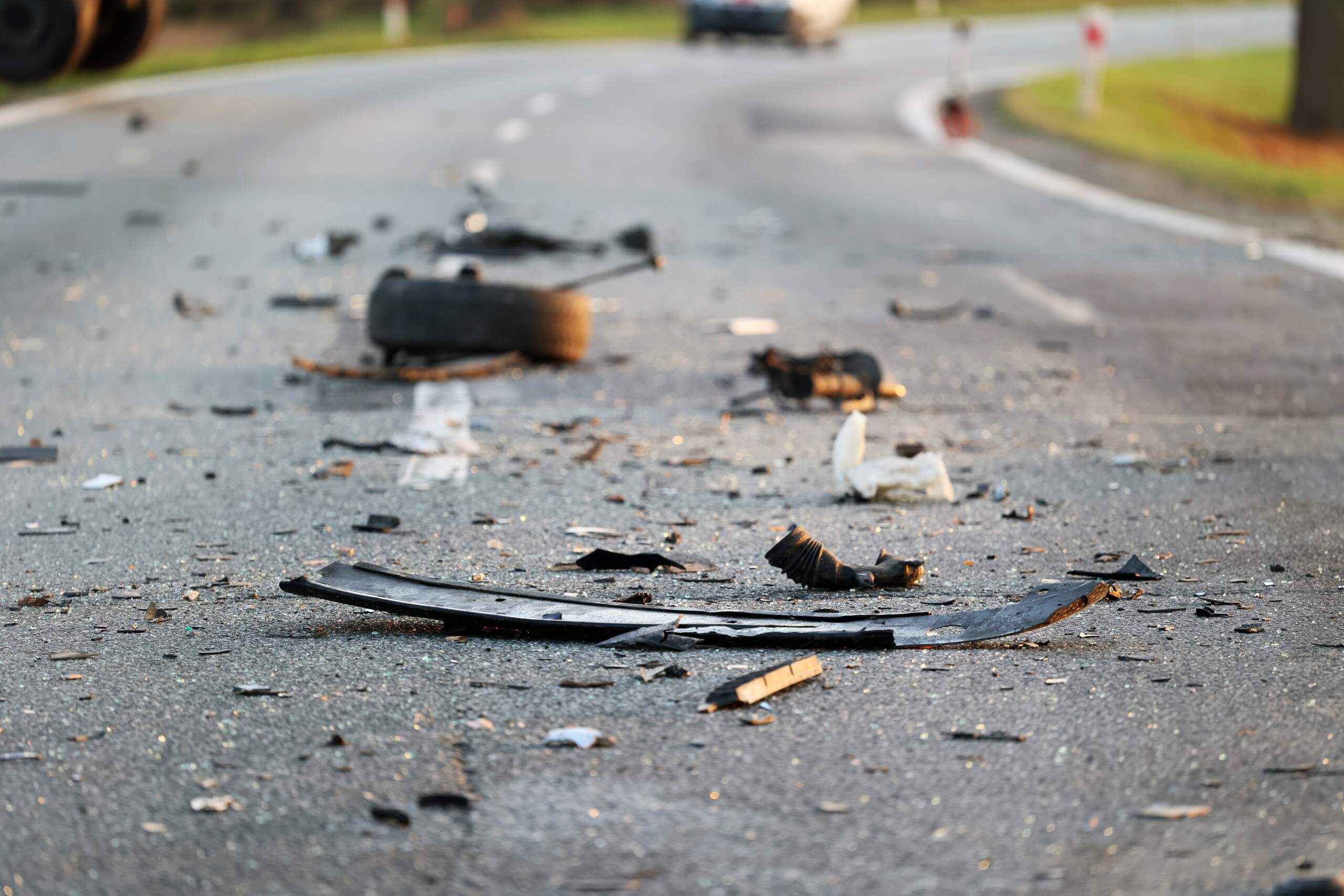
- Skid marks, debris, and vehicle positions
- Weather and road conditions
- Your visible injuries
Driver and Vehicle Information
Exchange information with the other driver. Collect their name, contact details, driver's license number, license plate, and insurance information. Photograph their insurance card and license plate directly rather than relying on handwritten notes.
Witness Information
Independent witnesses can make or break a disputed claim. Get the name and phone number of anyone who saw the crash. Witnesses scatter quickly, and once they leave the scene, they are often impossible to find.
What Should You Do About the Police Report?
The police crash report is a central piece of evidence. It documents the officer's observations, any citations issued, and statements from the drivers and witnesses.
Get the Report Number
Ask the responding officer for the crash report number before you leave the scene. In Texas, the officer files the report and it becomes available in the days that follow. The Texas Department of Transportation crash report system provides access once the report is processed.
Know the Report's Limits
The police report is important, but it is not the final word on fault. The officer's opinion carries weight with insurers, but it can be challenged with other evidence. A report that assigns you partial blame is not the end of your claim.
What Evidence Should You Preserve in the Days After the Crash?
Some of the most valuable evidence has to be captured quickly, before it disappears on its own. The days right after the crash are when this evidence is still available.
Camera Footage
Video of the crash is powerful evidence. Several sources may have captured it:
- Your own dashcam, if you have one
- Nearby business security cameras
- Home security and doorbell cameras
- Traffic cameras at some intersections
- Other drivers' dashcams
Most of this footage is overwritten within days or weeks. Whether footage exists and remains available depends on the system. Acting fast to request preservation gives the best chance of securing it before it is gone.
Medical Records
Seek medical care promptly, even if you feel fine at first. Adrenaline masks injuries. Same-day or next-day treatment creates a record connecting your injuries to the crash. That connection is critical. A gap between the crash and your first treatment gives the insurer an argument that something else caused your injuries.
Your Own Account
Write down everything you remember while it is fresh. Note the sequence of events, the weather, the other driver's behavior, and anything they said. Memory fades quickly, and a contemporaneous account is far more reliable than one reconstructed months later.
What Evidence Should You Keep as Your Claim Develops?
A car accident claim can take months or longer to resolve. Throughout that time, ongoing evidence continues to build the case. Keeping it organized protects the claim.
Medical Documentation
Keep every medical record, bill, and receipt. This includes:
- Emergency room and hospital records
- Doctor and specialist visit notes
- Physical therapy records
- Prescription receipts
- Medical device and equipment costs
Consistent treatment with no long gaps builds the strongest record. Skipping appointments gives the insurer a reason to argue your injuries were minor.
A Symptom and Impact Journal
A daily journal captures what medical records cannot. Note your pain levels, your sleep, the activities you cannot do, the work you miss, and the emotional toll. This record becomes valuable evidence of how the crash affected your life. Insurers treat undocumented suffering as if it did not happen.
Proof of Financial Losses
Document every cost the crash created. Keep pay stubs showing lost wages, records of missed work, repair estimates, and receipts for any out-of-pocket expense. Each documented loss adds to your recovery.
What Evidence Matters Most in a Commercial Truck Case?
When your crash involves a commercial truck, a whole additional category of evidence comes into play. This evidence sits with the trucking company, and it disappears fast.
Trucking Company Records
Commercial trucks generate records that ordinary vehicles do not:
- Electronic logging device (ELD) data showing driver hours and speed
- Dashcam and onboard camera footage
- Driver qualification and hiring files
- Maintenance and inspection records
- Cargo loading documentation
These records can prove that a driver was fatigued, that a truck was poorly maintained, or that a company broke federal safety rules. Trucking companies recycle this evidence on short schedules. A preservation letter needs to reach the company quickly, before its ordinary practices erase the proof. This is one of the strongest reasons to involve a lawyer early in a truck crash case.
How Does Evidence Affect a Comparative Fault Dispute?
Texas follows a modified comparative fault rule. An injured person who is 50 percent or less at fault can still recover, with the recovery reduced by their share of fault. Evidence is what determines that percentage.
How Comparative Fault Works
Under the rule, your recovery drops by whatever share of fault is assigned to you. A driver found 20 percent at fault recovers 80 percent of the damages. A driver found more than 50 percent at fault recovers nothing. The percentage is not fixed by the crash itself. It is decided by the evidence, in negotiation or at trial.
How Evidence Protects Your Share
Insurers often try to shift blame onto the injured driver to reduce what they pay. Strong evidence pushes back. Photos, witness accounts, camera footage, and accident reconstruction can each establish what actually happened. In most cases, that proof keeps fault where it belongs and protects you from an insurer's attempt to overstate your share of the blame.
What Are the Deadlines That Affect Your Evidence?
Texas law sets deadlines that make early evidence collection even more important.
- Two-year statute of limitations for most personal injury claims under Texas Civil Practice and Remedies Code § 16.003
- Two-year wrongful death deadline running from the date of death
- Governmental defendant notice requirements under the Texas Tort Claims Act, often much shorter
- Minor plaintiff tolling under Section 16.001, though parental claims run on the standard clock
The two-year filing deadline is long, but the evidence deadline is not. Much of the proof a strong case depends on disappears within days or weeks. Waiting to preserve it can leave a valid claim without support.

FAQs About Collecting Car Accident Evidence in Texas
What if I did not take photos at the scene?
Your case is not lost. Other evidence can fill the gap, including the police report, witness accounts, camera footage, and vehicle damage inspections. The scene photos help, but they are one piece of a larger picture. A Texas car accident lawyer can work to gather the evidence you were unable to capture.
How do I get camera footage from a business near the crash?
Businesses are not required to hand over footage on request, and most systems overwrite it quickly. A prompt written request, or a preservation letter from an attorney, gives the best chance of securing it. Speed matters, because footage often disappears within days.
Do I really need to see a doctor if I feel okay?
Yes. Many crash injuries, including concussions and soft tissue damage, do not show symptoms right away. A prompt medical visit protects your health and creates the record connecting any injuries to the crash. A gap in treatment is one of the first things an insurer uses to dispute a claim.
How long should I keep my accident evidence?
Keep everything until your claim is fully resolved, including any appeals or payments. Medical records, bills, photos, and your journal all remain relevant throughout the case. There is no downside to keeping too much and real risk in discarding something you later need.
What if the other driver was uninsured?
Preserve your evidence the same way. Your own uninsured motorist coverage may pay the claim, and that claim still requires proof of fault and damages. The evidence you collect supports a claim against your own insurer just as it would against the other driver.
Can I still collect evidence weeks after the crash?
Yes, though some evidence will be gone. Medical records, your journal, financial documentation, and witness follow-ups remain available. Scene evidence and camera footage are the categories most likely to be lost. Starting as early as possible captures the most.
What does it cost to hire Cowen | Rodriguez | Peacock for a car accident case?
The firm works on contingency. No upfront fees, no hourly rates, and no charges of any kind unless money is recovered for the client. Case expenses are advanced by the firm.
Turning Evidence Into a Recovery
Evidence is the foundation of every car accident claim. It proves who was at fault. It proves how badly you were hurt. It proves what the crash cost you. The stronger the foundation, the stronger the claim. The problem is that the best evidence is often the most fragile, and it starts disappearing the moment the crash is over.
The people who recover the most are the ones who act early. They photograph the scene, preserve the footage, document their treatment, and get help before the proof is gone.
Cowen | Rodriguez | Peacock prepares every case for trial from day one, and the insurance companies and trucking carriers on the other side know it. From your first call, you speak directly with an attorney, not a case manager or paralegal. Consultations are free, available 24/7.
No fee applies unless we recover money for you. If you were hurt in a Texas car accident, call (210) 941-1301 to talk through what happened.