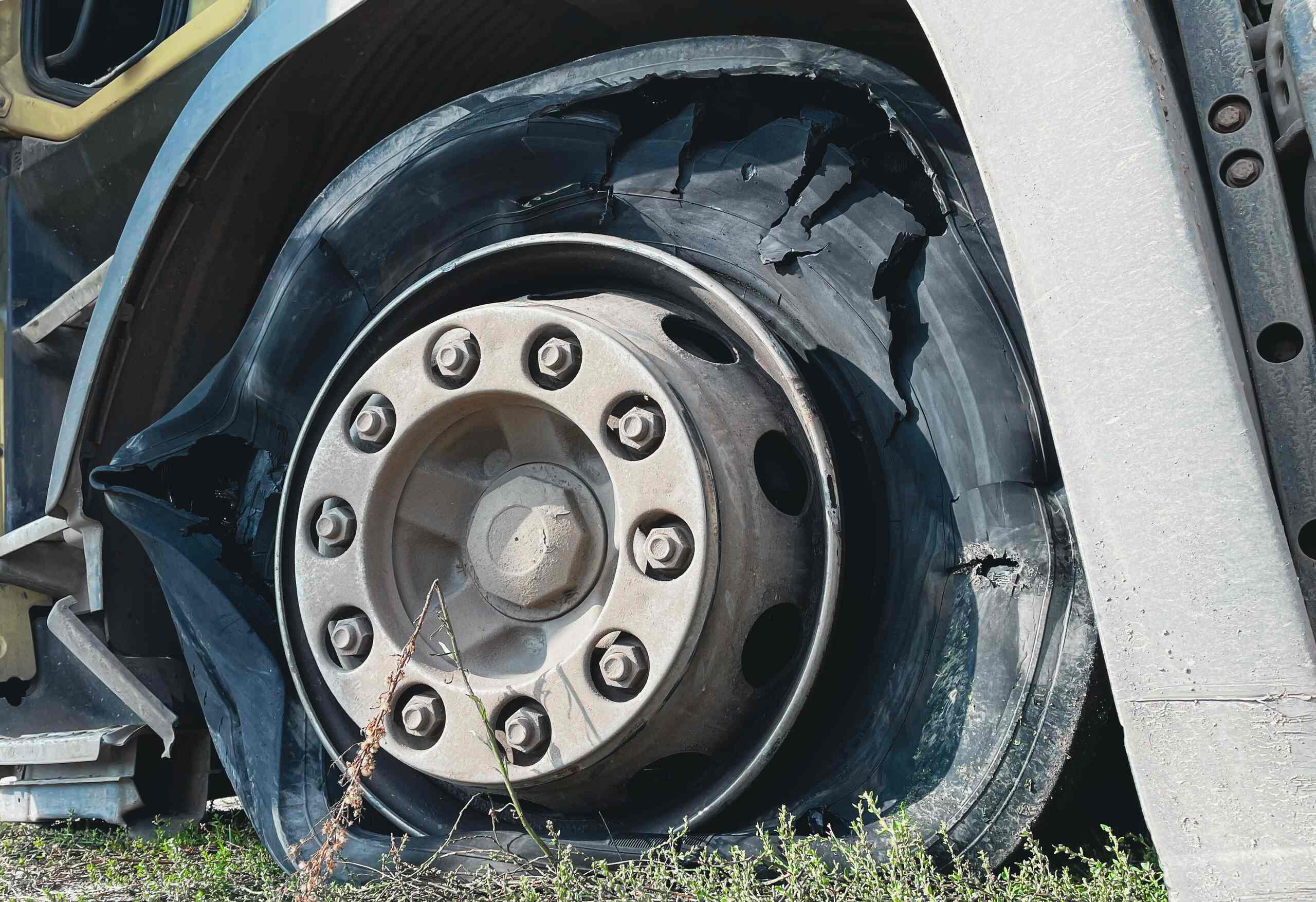
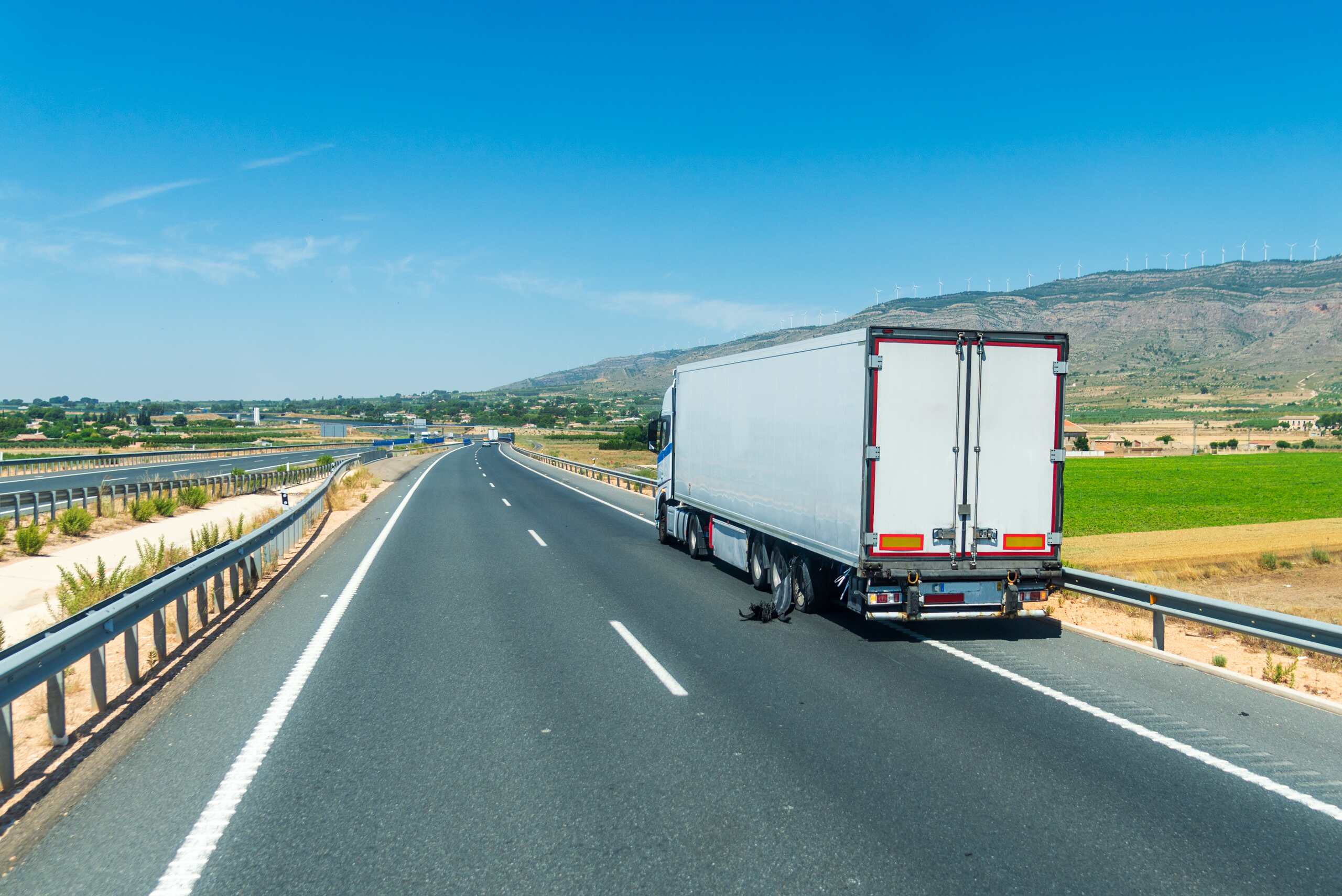
A tire blowout truck accident is rarely an unavoidable fluke. Commercial carriers have clear duties to inspect tires, maintain safe inflation and tread, correct visible damage, and keep overloaded or defective trucks off Texas roads.
Cowen | Rodriguez | Peacock, The Trucking Trial Lawyers, investigates every link in that safety chain. We preserve the failed tire, audit maintenance records, examine the truck’s load, and identify every company whose decisions contributed to the failure.
Where the Rubber Meets Responsibility
- A truck tire blowout does not automatically prove negligence, but it demands a full inspection and maintenance investigation.
- Federal rules prohibit commercial trucks from operating on tires with exposed material, tread separation, serious cuts, leaks, or insufficient tread.
- Liability can reach beyond the driver to the carrier, repair shop, tire service company, loader, distributor, or manufacturer.
- The failed tire must be preserved before the carrier repairs the truck, discards the tire, or loses related records.
- A retreaded tire is not automatically defective, but improper retreading, installation, inflation, or use can establish fault.
- Texas generally allows two years to file suit, but the physical evidence can disappear within days.
Who is liable when a truck tire blows out in Texas?
The truck driver, motor carrier, maintenance contractor, tire company, manufacturer, or cargo-loading business can be liable when poor inspection, improper inflation, overloading, defective work, or a dangerous tire causes the crash.
Why Do Semi-Truck Tires Blow Out?
Semi-truck tires fail when heat, pressure, weight, damage, wear, or a defect overwhelms the tire. The investigation must identify the condition that caused the failure and determine who had the opportunity to prevent it.
Underinflation Creates Heat and Structural Stress
An underinflated tire flexes more as it rolls. That repeated movement generates heat, damages internal components, and increases the risk of tread separation or sudden pressure loss.
Underinflation can result from:
- A slow leak
- A damaged valve stem
- An inaccurate pressure gauge
- Missed inspections
- Failure to account for the load
- Delayed repair after repeated pressure loss
- A malfunctioning tire-inflation system
The carrier cannot rely on a tire’s appearance alone. A large commercial tire can look inflated while operating below the pressure required for its load.
Overloading Places Excess Force on the Tire
Every tire has a load limit. Excess cargo, uneven loading, and poor weight distribution can place more force on one tire or axle than the equipment was designed to carry.
Overloading also increases heat and makes it harder for the truck to stop or remain stable after a tire fails. We compare weight tickets, bills of lading, loading records, axle limits, and tire specifications to determine whether the load exceeded safe operating conditions.
Road Damage Does Not End the Investigation
A pothole, piece of metal, curb strike, or roadway debris can damage a commercial tire. The carrier may point to road debris and call the blowout unforeseeable.
That explanation must be tested. Earlier inspections can reveal cuts, bulges, pressure loss, sidewall damage, or impact marks that should have taken the tire out of service before the crash.
Defective Tires and Repairs Also Cause Failures
A tire can fail because of defective materials, manufacturing errors, improper retreading, poor mounting, contaminated repairs, or damage during installation.
We examine the tire’s service history, identifying numbers, prior repairs, recall information, mounting process, and remaining components. The evidence determines whether the failure began with the tire itself or with how a company handled it.
Who Is Liable for a Truck Tire Blowout in Texas?
Liability belongs to every person or company whose unsafe conduct caused or contributed to the failure. A complete investigation follows the tire from manufacture and installation through every inspection, repair, and trip.
| Potentially Liable Party | Conduct That Can Establish Fault | Evidence We Examine |
|---|---|---|
| Truck driver | Skipped inspections, ignored pressure loss, or continued driving after warning signs | Inspection reports, messages, photographs, logs, and testimony |
| Motor carrier | Poor maintenance, unsafe policies, delayed repairs, or pressure to keep the truck moving | Maintenance files, work orders, safety policies, and internal communications |
| Tire or repair shop | Improper mounting, inflation, balancing, retreading, or repair | Service invoices, technician records, procedures, and inspection findings |
| Manufacturer or distributor | Defective design, materials, production, or warnings | Tire components, production records, recalls, testing, and engineering analysis |
| Shipper or loader | Excessive or uneven cargo weight | Bills of lading, weight tickets, loading records, and axle measurements |
| Truck or trailer owner | Failure to maintain equipment supplied to the carrier | Lease documents, inspection files, repair histories, and ownership records |
The Driver Must Inspect the Tires
A commercial driver must confirm that the truck’s tires and other required components are in proper working order before driving. The FMCSA pre-trip equipment requirements identify tires, wheels, rims, brakes, steering, lights, and coupling devices among the components a driver must check.
A driver can bear responsibility for:
- Failing to inspect a visible defect
- Ignoring a low-pressure warning
- Continuing after abnormal vibration or noise
- Striking an object and failing to recheck the tire
- Driving on exposed cords, separation, or inadequate tread
- Failing to report a known problem
The driver’s inspection duty does not erase the carrier’s broader maintenance responsibility.
The Motor Carrier Controls the Maintenance Program
The motor carrier must establish a systematic inspection, repair, and maintenance program. The carrier cannot put a truck on the road and leave tire safety entirely to the driver.
The FMCSA inspection and maintenance requirements require carriers to keep commercial vehicles and safety-related components in safe operating condition.
We investigate whether the carrier:
- Set meaningful tire-inspection intervals
- Tracked pressure loss and tread wear
- Replaced tires at the proper time
- Corrected defects reported by drivers
- Maintained complete service records
- Used qualified vendors
- Allowed cost or delivery pressure to override safety
A carrier that repeatedly adds air without finding the source of pressure loss has not solved the problem.
A Tire Shop or Maintenance Contractor Can Share Fault
Motor carriers frequently outsource tire service, inspections, and repairs. The contractor can be liable when poor work creates or fails to correct a dangerous condition.
Possible failures include:
- Mounting the wrong tire
- Using an unsuitable tire for the axle or load
- Repairing an area that should not have been repaired
- Damaging the bead during installation
- Failing to identify internal separation
- Improperly tightening wheel components
- Returning a visibly unsafe tire to service
We preserve work orders, invoices, technician identities, service procedures, and communications between the shop and carrier.
The Manufacturer Can Be Responsible for a Defective Tire
A product liability claim can arise when a defective tire leaves the manufacturer or seller and fails during normal use. The claim can involve design, manufacturing, or warning defects.
The failed tire must remain available for inspection. Cutting it apart, discarding sections, or exposing it to further damage can destroy the evidence needed to distinguish a product defect from impact damage or poor maintenance.
What Federal Tire Rules Apply to Commercial Trucks?
Federal rules establish minimum tire conditions for commercial vehicles. A violation provides powerful evidence when the prohibited condition contributed to the blowout.
Damaged Tires Must Be Taken Out of Service
The Texas Department of Public Safety summary of 49 CFR Section 393.75 states that commercial vehicles cannot operate on tires with exposed belt or ply material, tread or sidewall separation, flatness, an audible leak, or a cut exposing internal material.
The same rule requires at least:
- 4/32 of an inch of tread on a truck’s front tires
- 2/32 of an inch of tread on most other truck tires
- Adequate cold inflation pressure for the weight carried
- Compliance with tire load restrictions
These are minimum legal standards, not permission to use a tire that is unsafe for another documented reason.
Retreaded Tires Are Not Automatically Negligent
Retreaded tires are widely used on commercial vehicles. Their presence alone does not prove a carrier acted negligently.
Liability turns on whether the tire was legally placed, properly manufactured, correctly matched to the application, inspected, inflated, and maintained. Federal rules restrict certain regrooved tires on the front wheels of trucks and prohibit buses from using regrooved, recapped, or retreaded front tires.
How Do We Prove Who Was at Fault for the Blowout?
We prove truck tire blowout liability by preserving the physical evidence and matching it with the tire’s complete history. The remaining tread, casing, belts, sidewall, wheel, axle, and debris can reveal how the failure began.
The Tire and Truck Must Be Preserved
The carrier may repair the truck immediately and dispose of the damaged tire as ordinary debris. That can eliminate the strongest evidence in the case.
We send preservation demands covering:
- Every recovered tire component
- The wheel and rim
- The tractor and trailer
- Onboard camera footage
- Electronic vehicle data
- Tire-pressure system records
- Maintenance and inspection files
- Driver reports and communications
- Loading and weight records
- Purchase, retread, and service documents
We also document the tire’s location on the truck. A tire from the steering axle presents different handling risks and regulatory questions than a trailer tire.
Maintenance Records Expose Recurring Problems
A single invoice rarely tells the full story. We compare tire changes, air-pressure checks, repairs, roadside service calls, driver complaints, and inspection findings over time.
A pattern of low pressure, uneven wear, repeated repairs, or delayed replacement can show that the blowout developed long before the final trip.
Physical Evidence Separates Cause From Result
A blowout can cause a truck to strike debris or leave the road. The carrier may then claim that the resulting damage caused the tire failure.
Engineering analysis can distinguish conditions that developed before the crash from damage created during impact, towing, recovery, or storage. That sequence determines which company controlled the danger before anyone was injured.
What Compensation Is Available After a Semi Tire Failure Accident?
A truck tire blowout claim can include every financial and personal loss caused by the collision. The value depends on the injuries, future needs, responsibility evidence, and available insurance.
Injury and Financial Damages
Recoverable losses can include:
- Emergency and hospital care
- Surgery and rehabilitation
- Future medical expenses
- Lost wages
- Reduced earning capacity
- Physical pain
- Mental anguish
- Impairment
- Disfigurement
- Vehicle and personal property damage
When the crash causes a death, eligible family members and the estate can pursue separate wrongful death and survival claims.
Debris-Only Collisions Still Support Claims
A vehicle does not need to collide directly with the truck. A separated tread, tire component, or wheel can strike another vehicle or force a driver into an evasive crash.
The case still requires proof connecting the debris to the truck. Dashcam video, witness accounts, tire markings, dispatch data, nearby cameras, and physical comparison can identify the responsible vehicle.
What Should Be Protected in the Days and Weeks After the Crash?
The days and weeks after a tire failure should focus on preserving records and documenting the losses. The carrier already has control of most trucking evidence, so delay gives the defense an advantage.
Keep the Available Claim Records Together
Consider preserving:
- Photographs and video
- Witness contact information
- Medical and wage records
- Repair and total-loss documents
- Towing and rental receipts
- Insurance correspondence
- Any recovered tire debris
- Notes identifying the truck, trailer, or carrier
Do not surrender recovered tire pieces to an insurer or trucking company without documenting them and obtaining legal guidance.
Do Not Accept “Unavoidable Blowout” Without Proof
A trucking insurer may label the failure sudden, unforeseeable, or caused by road debris before completing a meaningful investigation.
Cowen | Rodriguez | Peacock tests that defense against the tire, load, maintenance program, prior reports, service history, and federal rules. We prepare serious claims for trial instead of allowing the carrier to investigate itself.
Texas Truck Tire Blowout Questions Answered by Our Attorneys
Is the truck driver always at fault for a tire blowout?
No. The driver can be liable for ignoring a visible defect or warning, but the carrier, repair contractor, loader, manufacturer, or tire seller can also be responsible. The evidence must identify who created, knew about, or failed to correct the condition.
Can I file a claim if tire debris caused me to crash?
Yes. Direct contact with the truck is not required. Video, witnesses, markings on the debris, physical damage, and carrier records can connect the tire fragment to the commercial vehicle.
Demystify the settlement timeline and gain the clarity you need to navigate your legal journey with confidence.
Does a tire blowout prove the trucking company was negligent?
Not by itself. The failure triggers an investigation into inflation, tread, loading, inspection, maintenance, repair, and product defects. Those records establish whether negligence caused the blowout.
Who is responsible when a tire shop installed the tire incorrectly?
The tire shop can be liable for negligent installation or service. The carrier can also share fault if its inspection and maintenance system failed to identify the problem before the truck returned to service.
How long do I have to file a truck tire blowout lawsuit?
Texas Civil Practice and Remedies Code Section 16.003 generally gives an injured person two years to file a personal injury lawsuit. Exceptions can change the deadline, and the tire evidence can disappear long before two years pass.
The Blowout Is the Beginning of the Investigation
A failed truck tire leaves evidence in the casing, maintenance file, load records, and decisions made before the truck entered the highway. That evidence determines whether the crash was truly unpredictable or the result of a preventable safety failure.
Cowen | Rodriguez | Peacock investigates the driver, carrier, tire company, repair contractor, loader, and manufacturer. Clients speak directly with an attorney, and we prepare serious cases for a Texas courtroom from the start.
Call Cowen | Rodriguez | Peacock at (210) 941-1301 for a free consultation. We are available 24/7, and there is No Cost to You unless we win.