A crash involving a school bus or charter bus carries legal wrinkles an ordinary car case never touches. On the school bus side, the operator is a governmental unit protected by sovereign immunity in most contexts, and the Texas Tort Claims Act sets narrow terms under which the case may proceed. On the charter bus side, federal safety regulations for interstate motor carriers layer on top of ordinary state negligence law, opening additional avenues of liability but also complicating the case.
Both kinds of cases share one feature. Deadlines and procedural rules run fast, and missing them can defeat an otherwise strong claim.
What special rules apply to school and charter bus accidents in Texas?
School bus and charter bus accidents in Texas follow rules that ordinary car crashes do not. School buses fall under the Texas Tort Claims Act, which imposes a six-month notice deadline and damage caps. Charter buses that operate between states fall under Federal Motor Carrier Safety Administration regulations, which create additional grounds for liability. Handling either kind of case requires attention to those special rules from the first week.
Key Takeaways
- School bus crashes involve governmental immunity, a six-month Tort Claims Act notice deadline that some cities shorten by charter, and damage caps.
- Charter and other interstate bus operators are subject to Federal Motor Carrier Safety Administration rules, higher insurance minimums, and common-carrier duties.
- The rules that separate these cases from ordinary car crashes reward early legal help.
How School Bus Cases Are Different in Texas
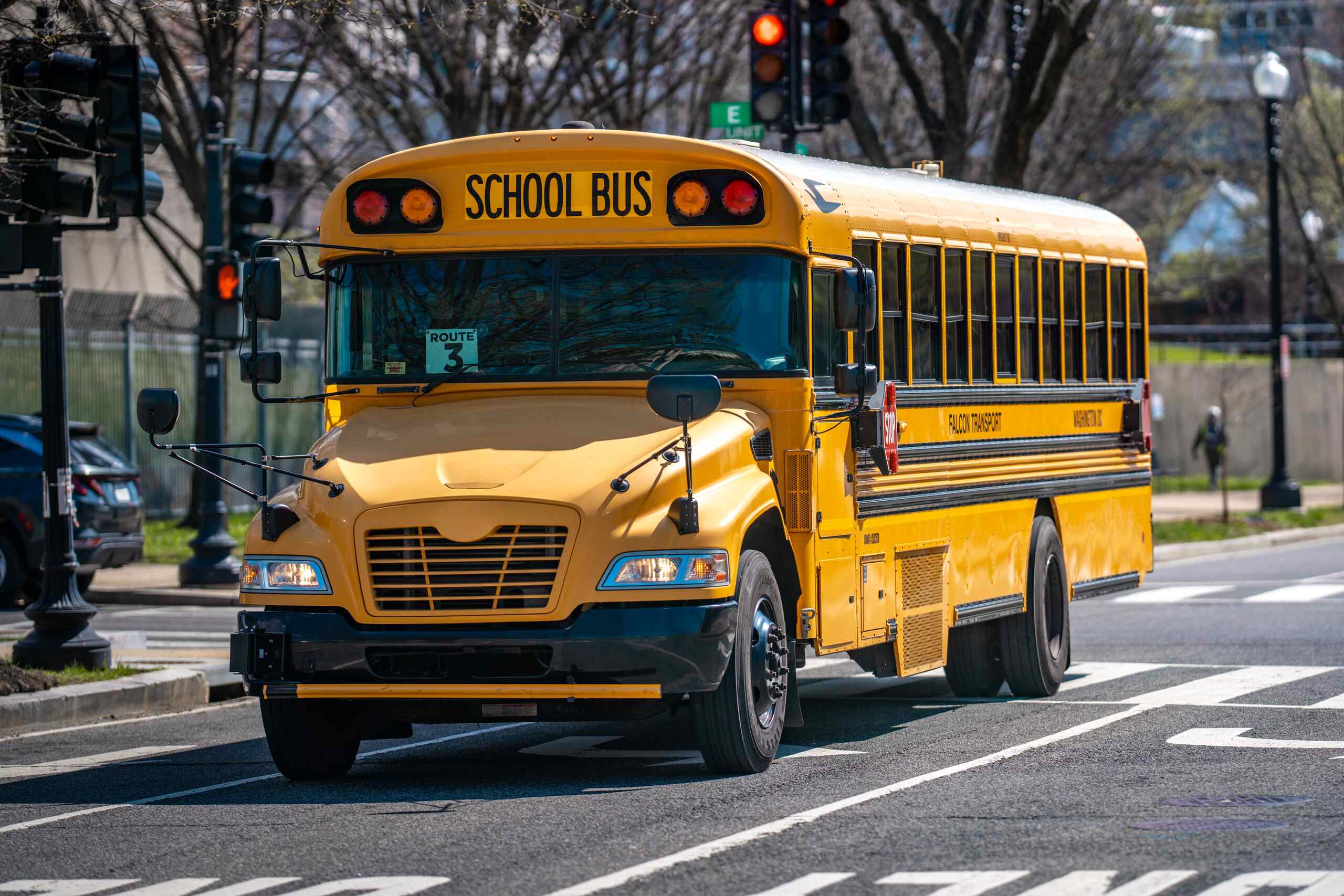
School buses in Texas are operated by independent school districts, which are governmental units. Any claim against the district itself must pass through the Texas Tort Claims Act framework, which reshapes almost every part of a passenger's or family's case.
Governmental Immunity and the Texas Tort Claims Act
Texas school districts enjoy sovereign immunity from most tort suits by default. The Texas Tort Claims Act waives that immunity in limited circumstances, including certain claims arising from the operation of a motor vehicle. A school bus crash typically fits within the motor-vehicle waiver, which is what allows the case to proceed at all.
Key features of TTCA cases include:
- A limited waiver of immunity that only covers specific kinds of claims
- Strict procedural rules the plaintiff must follow to preserve the case
- Damage caps that limit total recovery
- Notice requirements that run on a much shorter clock than the ordinary personal injury statute of limitations
The Six-Month Notice Deadline and City Charter Shortening
Under Texas Civil Practice and Remedies Code Section 101.101(a), a governmental unit is entitled to receive notice of a tort claim within six months of the incident. Notice must reasonably describe:
- The damage or injury
- The time and place of the incident
- The incident itself
Section 101.101(b) also allows Texas cities to shorten that deadline by charter or ordinance, and many do. Some city charters require notice within as few as 30, 45, or 90 days. When a school district's route runs through a city that has adopted a shorter notice period, the shortest applicable deadline usually controls.
Missing the notice deadline is often fatal to the claim, even when the ordinary two-year statute of limitations has not yet run.
Damage Caps Under Section 101.023
The damage caps at Texas Civil Practice and Remedies Code Section 101.023 limit total recovery against governmental units. The specific cap depends on the type of entity, but caps apply per person and per occurrence for personal injury and death claims, and separately for property damage. Practical points to know:
- Caps do not reduce the amount of harm the crash actually caused. They limit what may be collected from the governmental defendant.
- Private co-defendants such as third-party contractors remain subject to ordinary damages rules and are not bound by the caps.
- A serious injury case may quickly exceed the caps, which is one reason identifying every non-governmental defendant matters so much.
The Actual-Notice Exception
Under Section 101.101(c), the six-month notice requirement does not apply when the governmental unit has actual notice that death, injury, or property damage occurred. The exception is narrow, and Texas courts read it strictly. A police report alone does not necessarily count. Relying on the exception without filing formal notice is risky.
How Charter Bus Cases Are Different in Texas
Charter buses, tour buses, and long-haul motor coaches are usually private operators, not governmental units. That means the Texas Tort Claims Act does not restrict the case, and the ordinary two-year statute of limitations under Texas Civil Practice and Remedies Code Section 16.003 applies. What makes charter bus cases distinct is a different overlay of federal rules and heightened duties.
Federal Motor Carrier Safety Administration Rules
Interstate charter buses and motor coaches fall under the Federal Motor Carrier Safety Regulations found in Title 49 of the Code of Federal Regulations. Violations create independent grounds for liability against the operator. Regulations that commonly come into play in charter bus cases include:
- 49 CFR Part 395, governing hours of service for commercial drivers
- 49 CFR Part 391, governing driver qualification requirements
- 49 CFR Part 396, governing vehicle inspection, repair, and maintenance
- 49 CFR Part 382, governing drug and alcohol testing
- 49 CFR Part 387, setting minimum liability coverage for interstate operators
Documented violations of any of these categories may support both negligence per se and, in serious cases, gross negligence claims against the operator.
Higher Insurance Minimums
Interstate passenger carriers must carry substantial liability coverage under 49 CFR Part 387. Passenger operators generally carry higher minimums than freight carriers because of the potential for mass-casualty events on a passenger bus. Well-run charter operators often carry policies well above the federal floor.
Common-Carrier Duty
Bus operators, whether public or private, owe passengers a high degree of care under long-established Texas common-carrier law. The doctrine holds bus operators to a higher standard of conduct than an ordinary driver owes. In charter bus cases, common-carrier duty often strengthens the passenger's claim by lowering the threshold of what qualifies as actionable negligence.
Overlap Between School and Charter Bus Cases
Not every school-related bus crash involves a school district vehicle. School districts commonly hire private charter companies to transport students to athletic events, field trips, and academic competitions. When one of those buses crashes:
- The charter operator may be liable under ordinary negligence and FMCSA principles
- The school district may also share liability, subject to the Tort Claims Act, if district conduct contributed to the harm
- Both frameworks may run at the same time in a single case
Sorting out which framework applies to which defendant, and answering the broader question of who is liable in a bus accident where responsibility may be shared, is a first-week priority.
Why These Cases Reward Deep Commercial-Vehicle Experience
School and charter bus cases sit at the intersection of governmental liability, federal regulation, and passenger injury litigation. Firms that regularly try commercial-vehicle cases bring the tools these cases require:
- Familiarity with FMCSA compliance and the evidence trails those regulations create
- Experience litigating governmental cases under the Texas Tort Claims Act
- The ability to preserve short-lived electronic evidence, from onboard cameras to Electronic Logging Devices
- Trial preparation that carries into settlement leverage
Michael Cowen is Board Certified in Personal Injury Trial Law by the Texas Board of Legal Specialization. He has tried more than 120 jury trials in personal injury cases and has spoken publicly about high-stakes bus crash trial work on the Trial Lawyer Nation podcast episode "Inside a High-Stakes Bus Crash Trial." Bus trials demand the same rigor as truck trials.

Frequently Asked Questions About School and Charter Bus Accidents in Texas
Can I sue a Texas school district after a school bus crash?
Yes, but the claim must proceed under the Texas Tort Claims Act. That means providing formal notice within six months of the incident under Section 101.101, respecting any shorter deadline a city charter may impose, and living with damage caps under Section 101.023. Fast legal help protects both the notice deadline and the ordinary two-year statute of limitations.
What if a charter bus my child was on crashed?
Charter bus crashes involving minors follow the ordinary two-year Texas statute of limitations under Section 16.003, with special rules for minors that a lawyer can walk you through. The claim reaches the charter operator directly, and often involves federal safety regulations under 49 CFR Parts 382, 391, 395, 396, and 387 that create additional grounds for liability.
Does government immunity protect a school district completely?
No. The Texas Tort Claims Act waives immunity in specific circumstances, including certain claims arising from the operation of a motor vehicle. A school bus crash typically fits within that waiver. What immunity does is set the terms and limits of the claim, not extinguish it.
What if a private company operated the bus for the school?
When a school district hires a private charter operator, both may share liability. The private operator faces ordinary negligence and federal regulatory claims. The district may also face claims under the Tort Claims Act if district conduct contributed. Both frameworks may run at the same time.
How much can I recover from a Texas school district or transit authority?
The damage caps at Section 101.023 limit recovery from governmental units. Caps vary by entity type and apply per person and per occurrence. Private co-defendants, such as a charter operator hired by the district, remain subject to ordinary damages rules and are not limited by the caps.
Do I need a lawyer for a school bus or charter bus claim in Texas?
You are not required to hire a lawyer, but these cases involve procedural rules and federal regulations that ordinary car accident claims never touch. Missing a Tort Claims Act notice, or failing to preserve federally required carrier records, can defeat an otherwise strong case.
Talk to a Texas Bus Accident Lawyer
If a school bus or charter bus crash injured you or a family member, the special rules that govern these cases reward fast, experienced legal help. Cowen Law brings deep commercial-vehicle trial experience. Michael Cowen has tried more than 120 jury trials in personal injury cases, and our firm has recovered a $26 million wrongful death settlement, multiple trucking recoveries above $11 million, and dozens of other multi-million-dollar results for injured Texans and their families.
Call our Texas bus accident lawyer team at (210) 941-1306 for a free consultation in English or Spanish. Clients in South Texas can reach our San Antonio bus accident attorneys directly. No Cost to You unless we recover money for you.
Prior results described here arose from their own distinct facts and are not a promise of similar outcomes. This post is for informational purposes and does not constitute legal advice.