A bus crash rarely leaves the passengers, pedestrians, or other motorists involved with anything less than a serious claim. The vehicle may have been a public transit bus, a charter carrying tourists, a school bus, or a long-haul motor coach on an interstate, and each type triggers a different set of rules about who can be sued and on what terms.
The bus accident liability question is often the most consequential early piece of a claim, because the answer decides how much insurance is available and how the case gets built.
Who is liable in a Texas bus accident?
Liability in a Texas bus accident often spreads across several parties, not just the driver. The bus company, a governmental unit such as a transit authority or school district, a maintenance contractor, or another motorist may all share fault. Identifying every responsible party is what maximizes the recovery available to injured passengers and their families.
Key Takeaways
- Bus accident liability in Texas rarely stops at the driver, and identifying every responsible party often decides how much the case is worth.
- Common-carrier duty holds bus operators to a high degree of care under long-established Texas law.
- Government-owned buses, such as public transit and school buses, involve short notice deadlines and damage caps under the Texas Tort Claims Act.
The Bus Driver
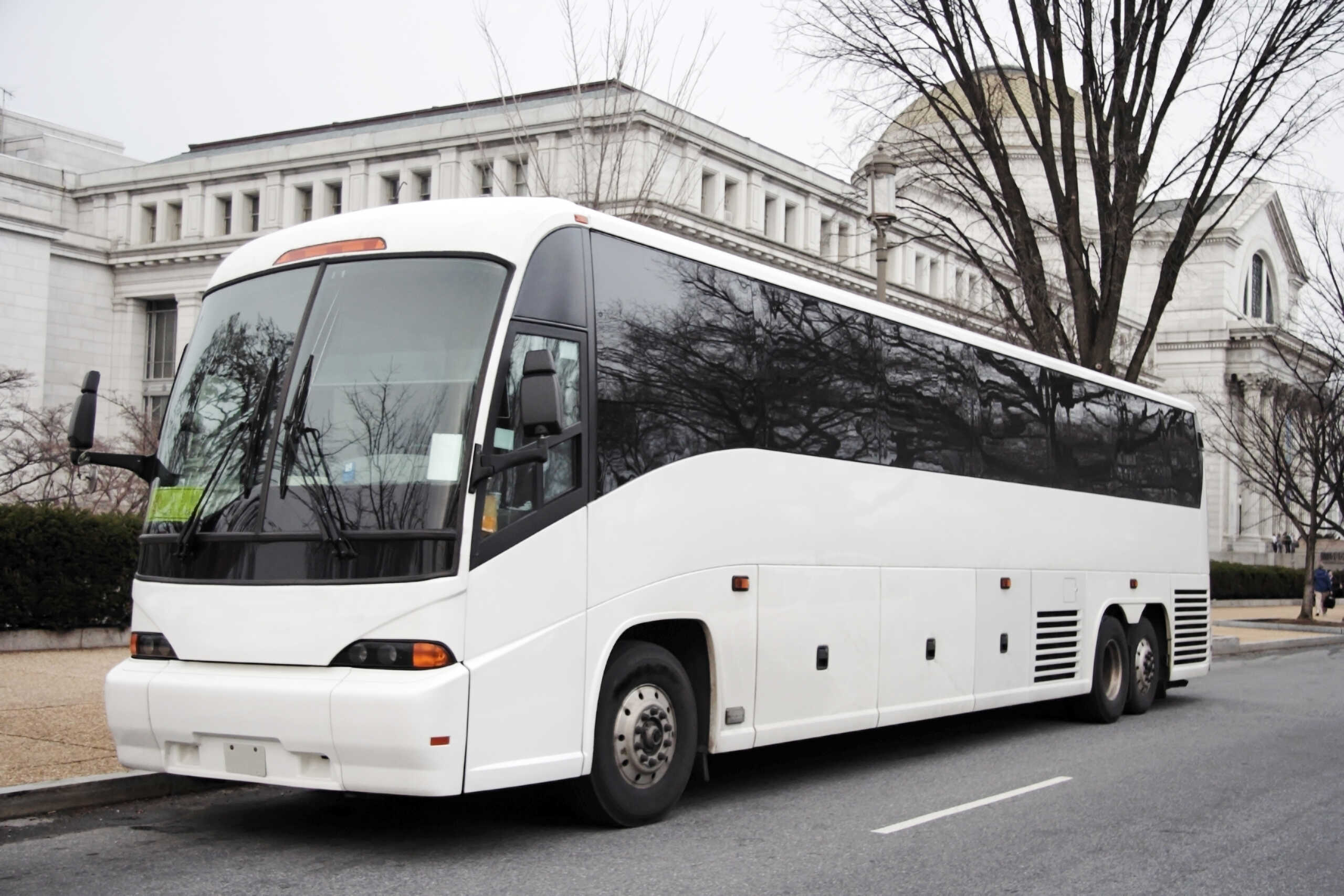
The person behind the wheel is the most obvious defendant, but rarely the last. When a driver's conduct caused or contributed to the crash, that fault reaches beyond the driver personally in most cases. Under Texas respondeat superior law, an employer is liable for a driver's negligence performed within the scope of employment, which is one reason the bus company often becomes the primary defendant even when the driver's conduct was the immediate cause.
What separates a bus case from an ordinary auto case is the paper trail. Bus drivers are subject to state and federal recordkeeping requirements that, when preserved early, often reveal exactly what the driver was doing in the hour before the crash. The most common driver-side failures include:
- Distracted driving
- Fatigue after exceeding federally regulated driving hours
- Impairment
- Speeding or reckless operation
- Improper lane changes or turns
The Bus Company or Operator
The company that owns or operates the bus is usually the deep-pocket defendant, and independent corporate-level claims often run alongside respondeat superior. Each reaches the company's own decisions rather than the driver's alone.
Negligent Hiring
Bus companies must screen drivers before putting them on the road. When a driver hired with a poor safety record or a history of prior violations caused the crash, that hiring decision itself becomes actionable.
Negligent Training and Supervision
A driver who was never properly trained for the equipment, the route, or the load the company assigned reflects a company failure. So does a company that ignored known unsafe driving conduct by an employee.
Negligent Maintenance and Company Liability
Federal motor carrier safety rules require systematic inspection, repair, and maintenance of every commercial vehicle. When a maintenance failure caused or contributed to the crash, the company is often the primary defendant for that failure.
Regulatory Violations
Interstate operators are subject to Federal Motor Carrier Safety Administration rules. Documented violations of those rules create independent grounds for liability, layered on top of ordinary negligence.
Governmental Entities: Transit Authorities and School Districts
When the bus is owned by a public transit authority or operated by an independent school district, the analysis changes significantly. Both are governmental units under Texas law, and any claim against them proceeds under the Texas Tort Claims Act rather than as an ordinary private negligence case.
Two features of the Act shape every governmental bus case. The first is the six-month notice deadline under Section 101.101, which requires the injured party to give the governmental unit formal notice of the claim within six months of the incident. Texas cities may shorten that further by charter, sometimes to as little as 45 or 90 days. A missed notice can bar the claim entirely, long before the ordinary two-year statute of limitations runs.
The second is the damage caps at Section 101.023, which limit total recovery from a governmental unit by entity type. Caps do not reduce the harm the crash actually caused. They limit what may be collected from the governmental defendant, which is why identifying every private co-defendant matters even more when a governmental unit is in the case.
Third-Party Contractors
Many bus operators outsource work to outside contractors, and when a contractor's failure caused or contributed to the crash, the contractor may share liability. A repair shop that missed a brake defect, a parts supplier that installed an unsafe component, or a charter company that assigned an unfit driver may each be pulled into the case alongside the operator. Contractor liability usually surfaces from the operator's own records, which is one more reason fast evidence preservation matters.
Other Motorists
Not every bus crash is the bus operator's fault. When a third-party driver ran a light, drove impaired, or otherwise caused or contributed to the crash, that driver's insurance becomes another source of recovery. Chain-reaction wrecks and impaired-driving collisions involving a passenger bus often spread liability across multiple defendants and multiple insurers, expanding the picture of what a full recovery looks like.
The High Bar of Common-Carrier Duty
Texas courts have long held bus operators to a "high degree of care" for the safety of their passengers. That heightened duty comes from common-carrier doctrine and makes bus operators legally responsible for a higher standard than an ordinary driver owes.
The practical effect appears throughout a passenger's case. Bus companies must take affirmative steps to prevent foreseeable harm to passengers, not just refrain from negligent acts. Small operational lapses that would not be actionable against a private driver may become the basis of a passenger's claim. And common-carrier liability extends beyond the ride itself. It applies while a passenger is boarding, is being carried, or has just departed the vehicle. Passenger cases against bus companies often produce stronger liability findings than the same facts would produce in a case between two ordinary motorists.
Mapping the Chain of Liability
The layered nature of bus accident liability mirrors the chain of liability that runs through most commercial trucking cases. A strong bus case begins with a clear map of every party whose conduct contributed to the crash. In the first weeks after retention, an attorney typically works through, in order:
- The identity and coverage of the bus operator
- Whether a governmental unit is involved and, if so, the applicable notice deadline
- Contractor and maintenance relationships that may implicate additional defendants
- Third-party drivers and their insurance
- Federal regulatory violations for interstate operators
Missing any of these categories can leave money on the table when the case resolves, which is why early, thorough analysis matters more here than in a routine car crash claim.
Why Bus Cases Reward Commercial-Vehicle Trial Experience
Bus cases demand the commercial-vehicle knowledge that defines heavy trucking litigation. The skill set is specific. It means preserving electronic evidence before it cycles out, reading and applying federal safety regulations, structuring a case against a corporate defendant with experienced insurance defense, and identifying every layer of liability from driver to operator to contractor.
Michael Cowen is Board Certified in Personal Injury Trial Law by the Texas Board of Legal Specialization. He has tried more than 120 jury trials in personal injury cases and has spoken publicly about high-stakes bus crash trial work on the Trial Lawyer Nation podcast episode "Inside a High-Stakes Bus Crash Trial." The rigor bus cases demand is the same rigor that credential reflects.

Frequently Asked Questions About Texas Bus Accident Liability
Can I sue a bus company in Texas?
Yes. Injured passengers and other people harmed in a Texas bus crash may bring civil claims against the bus company and its driver, subject to Texas rules on negligence, causation, damages, and, when a governmental unit is involved, the Texas Tort Claims Act.
Who is responsible for a bus accident when I was a passenger?
Passengers almost never share fault for a bus crash. Their claim usually focuses on which driver was responsible and which insurance covers the injuries. When the bus driver was at fault, both the driver and the bus company are typical defendants under respondeat superior. When another motorist caused the crash, that driver's insurance is usually the primary source of recovery.
What if the bus was owned by a city or school district?
Governmental buses fall under the Texas Tort Claims Act. That means a six-month notice deadline under Section 101.101, potential damage caps under Section 101.023, and additional procedural rules that do not apply in private cases. City charters may shorten the notice deadline further. Prompt legal help matters when a governmental unit is involved.
How long do I have to sue a bus company in Texas?
Most Texas personal injury claims must be filed within two years of the crash under Texas Civil Practice and Remedies Code Section 16.003. Wrongful death actions generally follow the same two-year deadline from the date of death. Government cases involve the additional and much shorter Tort Claims Act notice requirement.
Can more than one party be liable for a bus accident?
Yes. Bus accident cases often involve multiple defendants, including the driver, the company, contractors, and another motorist, and sometimes a governmental entity as well. Identifying every responsible party is central to maximizing recovery.
What damages can I recover in a Texas bus accident claim?
Recoverable damages include economic losses such as past and future medical expenses and lost income, non-economic losses such as pain and mental anguish, and, in appropriate cases, exemplary damages for gross negligence. Wrongful death damages under Texas Civil Practice and Remedies Code Section 71.004 are available when the crash caused a death.
Talk to a Texas Bus Accident Lawyer
If a bus crash injured you or a loved one, identifying who can be held responsible is the first step toward a full recovery. Cowen Law brings the commercial-vehicle trial experience that these cases require. Michael Cowen has tried more than 120 jury trials in personal injury cases, and our firm has recovered a $26 million wrongful death settlement, multiple trucking recoveries above $11 million, and dozens of other multi-million-dollar results for injured Texans and their families.
Call our Texas bus accident lawyer team at (210) 941-1306 for a free consultation in English or Spanish. Clients in South Texas are welcome to reach our San Antonio bus accident attorneys directly. No Cost to You unless we recover money for you.
Prior results described here arose from their own distinct facts and are not a promise of similar outcomes. This post is for informational purposes and does not constitute legal advice.