A red light accident lawyer in Texas often handles cases where both drivers claim they entered the intersection legally. These disputed crashes create frustrating situations for people who know they had the green light but face accusations from the other driver. Insurance companies sometimes deny, delay claims, or assign shared fault simply because statements conflict.
Red light disputes do not have to remain word-against-word standoffs. Intersection accidents leave physical evidence, digital records, and witness observations that may reveal what actually happened. Traffic signal timing data, surveillance footage, vehicle damage patterns, and event data recorders all provide information beyond what either driver says. When this evidence is gathered and analyzed, the truth about who violated the signal may become clear.
Call us at (210) 941-1306 for a free consultation or contact us below. No cost to you unless we win.
Key Takeaways for Texas Red Light Accident Claims
- Conflicting driver statements do not automatically result in shared fault because physical and digital evidence may establish which driver violated the signal.
- Texas follows modified comparative negligence under Texas Civil Practice and Remedies Code Section 33.001, meaning fault allocation directly affects what compensation an injured person may recover.
- T-bone collisions may be consistent with a red-light violation, but they may also result from failure-to-yield situations such as left-turn crashes, so evidence is needed to determine which occurred.
- Traffic monitoring cameras, nearby business surveillance systems, and traffic signal timing records may exist but require prompt action to obtain before they are overwritten.
- Police reports document officer observations but do not conclusively determine civil liability, meaning investigation beyond the report often matters.
Why Red Light Accidents Lead to Disputes
Intersection crashes frequently involve conflicting accounts because each driver typically focuses on their own signal rather than the other vehicle. A driver watching their light turn green may not notice the other car running the red. Both drivers then honestly believe they had the right of way, creating a genuine dispute rather than intentional deception.
This dynamic makes red light accidents different from rear-end collisions, where fault patterns are more obvious. When statements conflict and evidence is limited, insurers sometimes assign shared fault, which may reduce what an injured person recovers under Texas comparative responsibility rules.
The He-Said-She-Said Problem
When two drivers tell opposite stories, insurance companies face a credibility question they may not want to resolve through detailed investigation. Assigning shared fault between both parties allows the claim to move forward without committing to either version of events. This approach may harm the driver who actually had the green light.
The injured driver may feel helpless against this split because their word carries no more official weight than the at-fault driver's word. However, statements represent only one form of evidence. Physical facts and digital records often tell a more reliable story.
Why Police Reports Don't Settle the Question
Police officers document what they observe at the scene and what drivers tell them. Unless an officer witnessed the crash or obvious evidence indicates fault, the report may simply record both versions without drawing conclusions. Officers have limited time at each scene and may not conduct detailed investigations for non-fatal accidents.
A police report that does not assign fault or that notes conflicting statements does not mean fault cannot be established. Civil investigations often go deeper than what officers document, examining evidence the police report never mentions.
How Vehicle Damage Reveals the Truth
The physical evidence left after an intersection collision often tells a story independent of what either driver claims. Damage location, angle, and severity all provide clues about how the crash occurred. Accident reconstruction experts analyze these patterns to determine vehicle positions and movements.
Side-impact crashes carry particular significance in intersection disputes, though the damage pattern alone does not conclusively establish which driver violated the signal.
What Side-Impact Damage Patterns May Indicate
When one vehicle strikes another broadside, the struck vehicle was typically already in the intersection. The striking vehicle either entered against the signal or failed to yield the right of way in some other manner, such as during a left turn. Evidence beyond the damage pattern is needed to determine which scenario occurred.
The location of side impact can offer clues about vehicle movement, but it must be interpreted carefully. In general, a strike closer to the rear portion of a vehicle may suggest it had progressed further through the intersection, while a front-quarter impact may indicate the vehicle had only recently entered. However, impact location alone is never conclusive and must be analyzed alongside speed, angle, and timing evidence. These details help reconstruct the sequence of events.
How Impact Angles and Speeds Matter
Accident reconstruction involves analyzing crush damage, skid marks, and final rest positions to calculate speeds and angles. A vehicle traveling well above the speed limit may have been rushing to beat a yellow light. A vehicle that shows no braking evidence may have entered without seeing the signal change.
Speeding is a major contributor to serious crashes and reduces reaction time, which proves critical in intersection disputes. Speed analysis from physical evidence may support arguments about which driver acted negligently.
Traffic Monitoring Cameras and Signal Data
Many Texas intersections have traffic monitoring cameras and signal controllers that record data that is potentially relevant to crash investigations. This information exists independently of what either driver remembers and may help establish which light was active when the collision occurred.
Obtaining this evidence requires knowing where to look and acting quickly before records are overwritten or deleted through normal system maintenance.
Traffic Monitoring Cameras and Other Intersection Video
Texas largely prohibited red-light camera enforcement programs, but some intersections still have traffic-monitoring cameras used for traffic management. These cameras may capture traffic flow and signal status. Even cameras not directly aimed at the crash location may show vehicle approaches.
Not every intersection has camera coverage, and footage quality varies. However, when video exists, it often provides valuable evidence of what happened. Identifying camera locations and requesting footage promptly matters because many systems overwrite recordings within days or weeks.
Signal Timing Records and Controller Data
Traffic agencies may have signal timing plans and sometimes controller logs or maintenance records that help reconstruct the signal phase around the time of a crash. Availability and retention vary by intersection and agency. When obtainable, this data shows the programmed sequence of signal changes.
Obtaining signal data typically requires formal requests to the city or traffic management authority. These records exist for maintenance and operational purposes but may be retained only temporarily. Early requests help preserve this evidence before it disappears.
Surveillance Footage From Nearby Sources
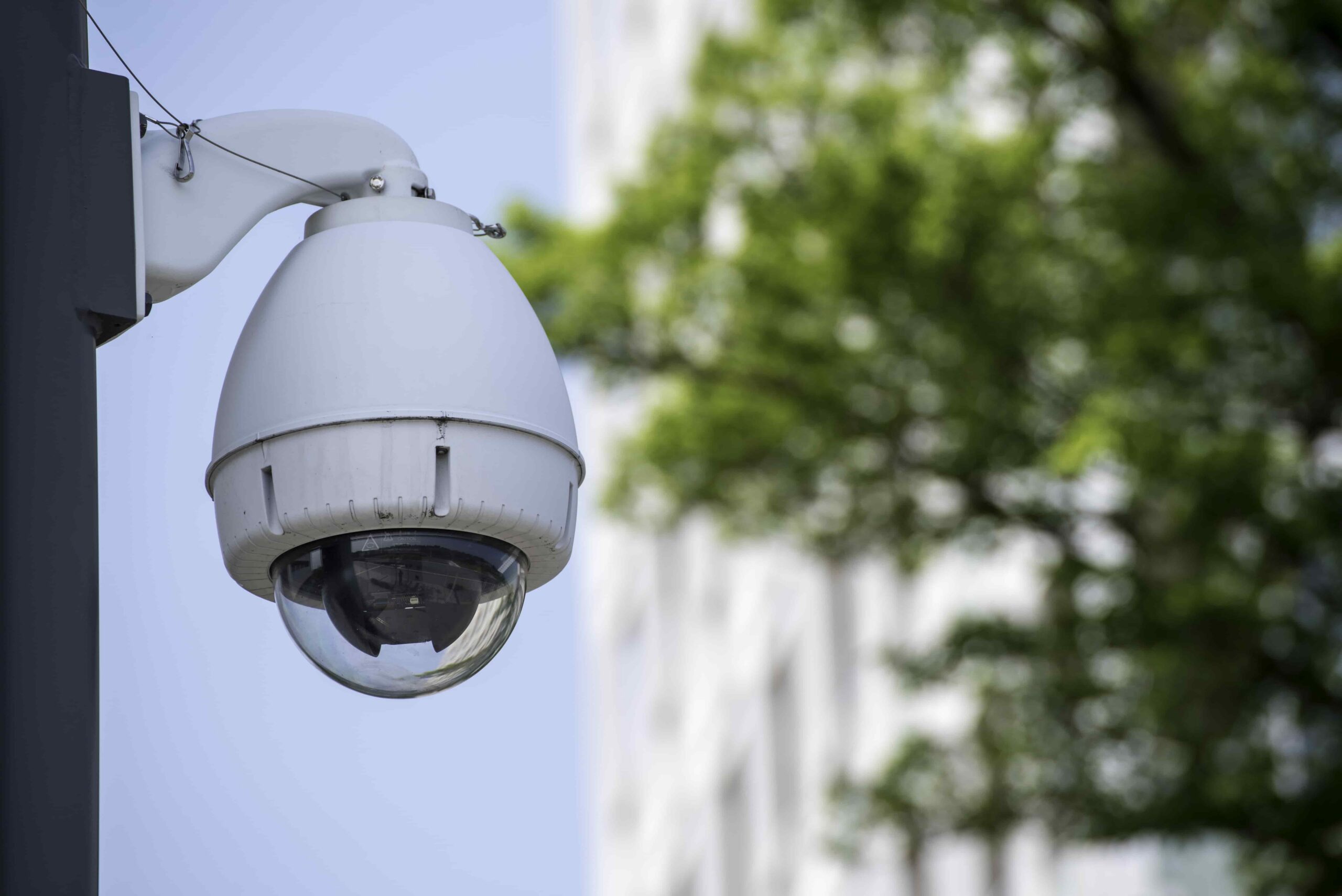
Traffic monitoring systems represent only one potential video source. Businesses near intersections often have security cameras that capture parking lots, storefronts, and adjacent roadways. These private cameras sometimes record intersection crashes or the moments leading up to them.
Gas stations, convenience stores, banks, and restaurants at corner locations frequently have cameras facing toward the street. Residential doorbell cameras and home security systems may also capture relevant footage in some cases.
Identifying Potential Camera Locations
Investigators looking for intersection footage examine businesses and properties surrounding the crash site. The following locations commonly have cameras that may capture intersection activity.
- Gas stations with cameras monitoring pump areas and street approaches.
- Bank branches with exterior cameras covering parking lots and adjacent roads.
- Retail stores with loss prevention cameras aimed toward entrances and parking areas.
- Restaurants and drive-throughs with cameras covering customer areas near streets.
- Residential properties with doorbell cameras or security systems facing the road.
This evidence may exist without anyone realizing it until investigators specifically request footage from property owners or managers.
Why Speed Matters in Obtaining Video
Surveillance systems typically record on loops that overwrite older footage automatically. A camera system with seven days of storage deletes last week's recordings to make room for new ones. Waiting too long to request footage means the relevant recording may already be gone.
Prompt investigation allows attorneys to send preservation requests to businesses before footage disappears. Property owners have no obligation to save recordings without such requests, so timing matters significantly.
Event Data Recorder Information
Modern vehicles contain electronic systems that record data about vehicle operation. Event data recorders, sometimes called vehicle black boxes, capture speed, braking, acceleration, and other metrics in the seconds surrounding a crash. This information provides objective evidence of how each vehicle behaved.
Event data may reveal whether a driver braked before impact, how fast they traveled, and whether they accelerated through the intersection. When one vehicle shows normal approach speed and braking while another shows high speed with no braking, the data supports conclusions about which driver acted negligently.
What Vehicle Data Recorders Capture
The specific data available varies by vehicle make, model, and year. Not all vehicles record the same information, and some older vehicles have limited or no recording capability. When available, event data recorder information may include the following types of data:
- Pre-crash speed over the final seconds before impact.
- Brake application timing and force.
- Accelerator pedal position.
- Steering angle in vehicles equipped to record this metric.
- Seat belt status and airbag deployment timing.
This data helps establish what each vehicle was doing mechanically, regardless of what the driver claims to remember.
How Vehicle Data Supports Intersection Claims
A driver who claims they had the green and were proceeding normally may find their event data supports that account. Steady speed, appropriate braking, and controlled steering align with lawful intersection entry. Meanwhile, the other driver's data showing high speed and no braking may contradict their claim of having the green light.
Data from both vehicles, when available, allows comparison that often favors one account over the other. This objective evidence carries significant weight in insurance negotiations and court proceedings.
Independent Witness Testimony
Witnesses who observed the crash from outside either vehicle may provide a valuable perspective. Other drivers waiting at the intersection, pedestrians on nearby sidewalks, and workers at adjacent businesses sometimes see which light was active when vehicles entered.
Witness testimony carries weight because these observers have no stake in the outcome. Their accounts may confirm one driver's version while contradicting the other's.
Finding Witnesses After the Crash
Witnesses sometimes leave the scene before anyone collects their contact information. However, investigators may locate witnesses through several methods after the fact:
- Reviewing the police report for any witness names and statements recorded at the scene.
- Canvassing nearby businesses to ask employees what they observed.
- Posting requests for information in community groups or neighborhood forums.
- Checking whether passengers in other vehicles stopped at the intersection noticed the crash.
- Reviewing any available video footage for vehicles that may have had dashcam recordings.
These efforts sometimes locate witnesses who saw exactly what happened but left before police arrived.
How Witness Accounts Affect Claim Evaluation
A witness who states they saw one driver run the red light provides evidence that shifts the dispute away from he-said-she-said territory. Insurance adjusters evaluating claims consider independent witness accounts alongside physical evidence.
Multiple witnesses telling consistent stories create even stronger evidence. When witness testimony aligns with vehicle damage patterns and signal timing data, the case for one version of events becomes difficult to dispute.
How Texas Negligence Rules Apply
Texas negligence principles govern how fault is allocated and what compensation injured parties may recover. Texas Transportation Code Section 544.007 requires drivers to obey traffic signals, including stopping for a steady red light unless an exception applies. A driver who violates this duty and causes a crash may bear significant or complete fault.
Under Texas modified comparative negligence rules, an injured person may recover damages only if their fault is 50 percent or less. Evidence establishing that the other driver ran the red light typically places the majority of fault on that driver.
Why Evidence Quality Affects Fault Allocation
Strong evidence supporting one driver's account influences how fault is allocated. When physical evidence, video footage, and witness testimony all point to the same conclusion, the evidence creates a persuasive case. Weak or missing evidence may leave room for disputed fault allocation even when one driver actually violated the signal.
This reality explains why thorough investigation matters in red light disputes. The driver who gathers better evidence often achieves more favorable fault allocation than one who relies solely on their statement.
FAQ for Red Light Accident Disputes in Texas
What if the traffic camera was not working at the time of my crash?
Malfunctioning or inactive cameras do not eliminate other evidence sources. Vehicle damage patterns, event data recorders, private surveillance footage, and witness testimony may still establish fault. Investigation typically explores multiple evidence types rather than relying on any single source.
Does a traffic ticket issued to the other driver help my claim?
A citation issued at the scene indicates the officer's assessment of fault but does not automatically determine civil liability. The ticket may support your claim, but insurance companies and courts evaluate the full evidence independently. A citation helps but does not guarantee a favorable outcome.
What if I was slightly exceeding the speed limit when the other driver ran the red light?
Minor speed violations may result in some fault allocation under Texas comparative negligence rules. However, running a red light typically represents more serious negligence than modest speeding. An injured driver found partially at fault may still recover compensation reduced by their fault percentage.
How do investigators determine the exact timing of traffic signals?
Signal timing comes from traffic controller data that is maintained by city transportation departments. These records show the programmed sequence of signal changes at specific intersections. Investigators request this data and compare it to estimated crash timing from other evidence sources, though availability varies by agency.
What happens if evidence is destroyed before anyone requests it?
Lost evidence may weaken a claim but does not necessarily defeat it. Remaining evidence sources may still establish fault. In some cases, evidence destruction by a party who knew litigation was likely may support negative inferences against that party.
When Both Drivers Claim Green
Red light disputes feel overwhelming when the other driver insists they had the right of way. The path forward involves gathering evidence that exists independently of either driver's memory. Traffic signal data, surveillance footage, vehicle recorders, and witness accounts all may reveal what statements alone cannot establish.
Cowen Law represents injured drivers throughout Texas who face disputed intersection crash claims. Our attorneys know how to fight for fair compensation by conducting thorough investigations that strengthen your claim. Contact our team for a free consultation. We handle intersection accident cases on a contingency fee basis, meaning our car accident attorneys fees depend on recovering compensation for your injuries.
Call us at (210) 941-1306 for a free consultation or contact us below. No cost to you unless we win.