Highway 6 runs directly through Bryan and College Station, while I-45 carries regional freight east of Brazos County. Trucks moving between those corridors reach the Brazos Valley through connecting routes such as SH 21 and US 190.
That flow places fully loaded commercial vehicles in fast-moving highway traffic, crowded interchanges, and construction zones. Cowen | Rodriguez | Peacock investigates the entire trip, not just the final impact. We preserve truck data, driver records, company communications, maintenance files, and evidence showing why the crash became catastrophic.
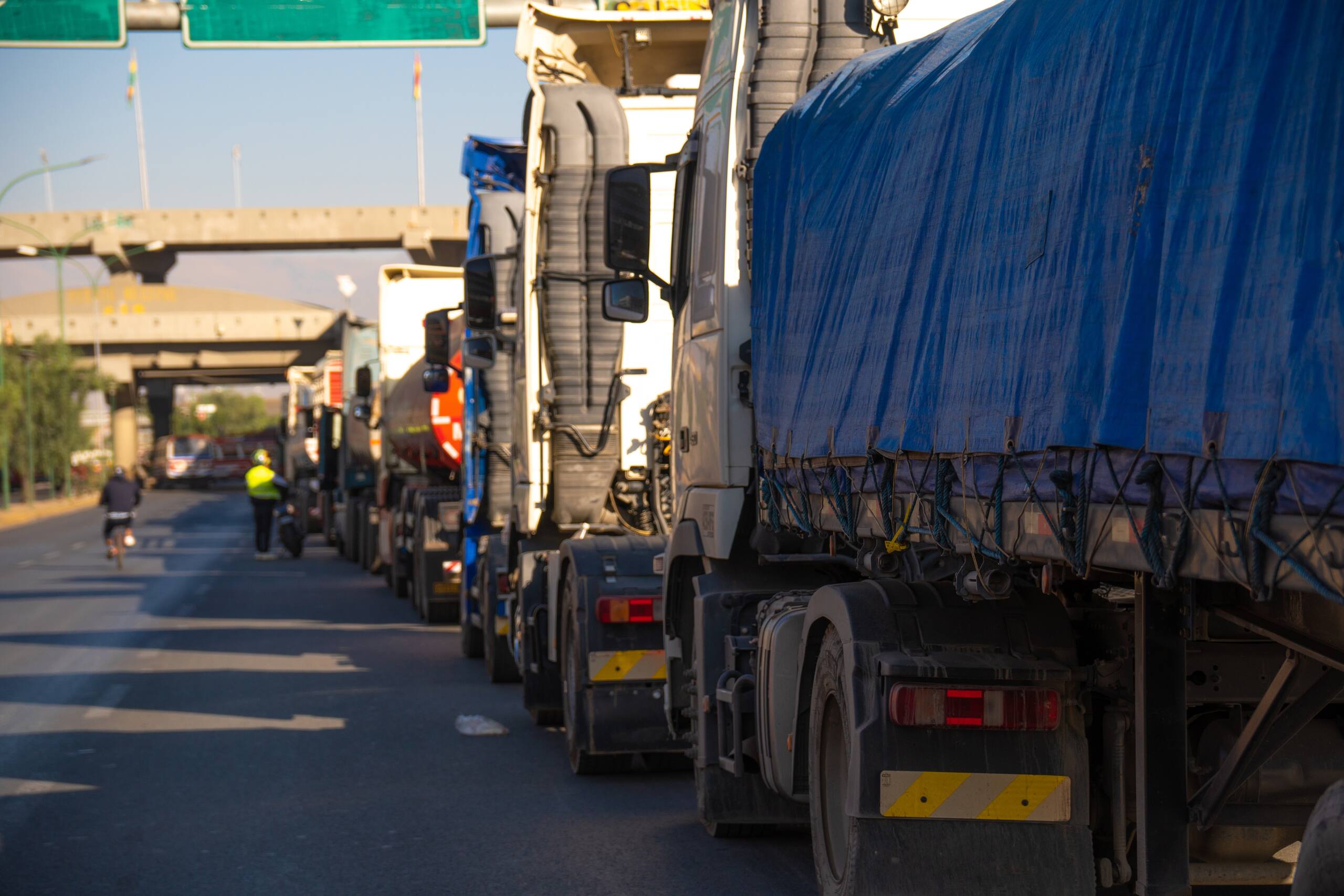
Why These Brazos Valley Truck Routes Demand Attention
- Highway 6 is part of the Texas Highway Freight Network and carries commercial traffic directly through Bryan and College Station.
- I-45 does not cross Brazos County, but it serves as a major regional freight route connecting Dallas and Houston and feeding traffic toward the Brazos Valley.
- Heavy trucks require more time and distance to slow down than passenger vehicles, especially when loaded.
- Highway construction, interchange traffic, merging vehicles, and sudden congestion increase the risk of severe truck collisions.
- Liability often reaches beyond the driver to the carrier, maintenance contractor, cargo company, or another business.
Why are truck crashes on Highway 6 and routes connected to I-45 so dangerous?
Truck crashes in Brazos County are often more severe because regional freight traffic places heavy commercial vehicles alongside passenger cars at highway speeds, at congested interchanges, in construction zones, and at busy local exits.
How Do I-45 and Highway 6 Move Truck Traffic Through the Brazos Valley?
I-45 and Highway 6 serve different functions, but both shape commercial traffic in the Bryan-College Station area. I-45 carries long-distance freight north and south, while Highway 6 moves regional and local traffic directly through Brazos County.
I-45 Feeds Freight Into Regional Connecting Routes
I-45 runs east of Brazos County through Walker, Madison, Leon, and Freestone counties. It connects Houston and Dallas and carries a major share of north-south commercial traffic.
The TxDOT Bryan District I-45 Corridor Program covers approximately 90 miles of the interstate and focuses on safety, capacity, mobility, and updated roadway design. TxDOT identifies the corridor as an important freight route whose passenger and truck traffic has grown substantially.
Trucks leaving I-45 can travel toward Bryan and College Station through SH 21, US 190, SH 30, and other regional connections. A driver’s route, dispatch instructions, delivery schedule, and hours already driven can matter when one of those trucks later crashes in Brazos County.
Highway 6 Is the Main Commercial Spine Through Bryan and College Station
Highway 6, also known locally as Earl Rudder Freeway, carries passenger vehicles and commercial trucks through the center of the Bryan-College Station area. The corridor connects with SH 21, William J. Bryan Parkway, Briarcrest Drive, Harvey Road, Rock Prairie Road, and William D. Fitch Parkway.
Those interchanges create repeated merging and braking points. A truck driver may encounter high-speed traffic followed by sudden congestion near an exit, construction area, or busy surface road.
Highway 6 also forms part of the Texas Highway Freight Network, Texas Highway Trunk System, and a designated hurricane evacuation route. Those designations reflect its importance to regional movement rather than guaranteeing that every section operates safely under every condition.
The Big 6 Project Changes Current Traffic Patterns
Construction adds another layer of risk. Lane shifts, reduced shoulders, temporary barriers, changed entrance ramps, and workers near moving traffic leave less room for driver error.
TxDOT’s Big 6 project overview describes an 11.5-mile expansion from SH 21 in Bryan to SH 40 in College Station. The project includes additional main lanes, reconstructed interchanges, and changes intended to improve traffic flow and safety.
During construction, commercial drivers must adjust to temporary traffic controls and changing conditions. A driver or carrier cannot use construction as an automatic excuse when speeding, distraction, fatigue, or unsafe following distance causes a crash.
Why Are Brazos County Truck Accidents Often More Severe?
Truck crashes become more destructive because commercial vehicles combine substantial size, weight, speed, and cargo. The same driving error that causes a minor passenger-vehicle collision can produce a fatal or catastrophic truck wreck.
| Truck Crash Factor | Why It Increases the Danger | Evidence We Investigate |
| Vehicle size and weight | A loaded truck transfers far more force during impact | Weight tickets, cargo records, vehicle specifications, and crash reconstruction |
| Longer stopping distance | A truck may be unable to stop when traffic slows suddenly | Electronic data, brake records, driver logs, video, and skid evidence |
| High center of gravity | Abrupt steering or excessive speed can cause a rollover | Vehicle speed, curve design, cargo placement, and event data |
| Large blind areas | Smaller vehicles can disappear from the driver’s view | Mirror setup, camera systems, sight lines, and driver training |
| Cargo movement | An unsecured or uneven load can destabilize the truck | Bills of lading, loading records, photographs, and inspection documents |
| Multiple impact risk | A truck can strike several vehicles or block the highway | Vehicle damage, roadway evidence, video, and impact sequencing |
Commercial Trucks Generate Greater Impact Forces
A tractor-trailer can outweigh a passenger vehicle many times over. That difference gives the smaller vehicle little protection when the truck rear-ends it, crosses a median, or enters its lane.
Truck crashes frequently cause brain injuries, spinal injuries, crush injuries, amputations, and wrongful death. We document not only the immediate medical costs but also future care, reduced earning ability, physical limitations, and the effect on the injured person’s family.
Loaded Trucks Need More Space to Stop
Commercial drivers must account for the truck’s weight, traffic speed, roadway grade, weather, and available stopping distance. A driver following too closely on Highway 6 may have no safe escape when vehicles slow near an interchange.
Late braking can result from:
- Excessive speed
- Driver distraction
- Fatigue
- Unsafe following distance
- Poorly maintained brakes
- Overloaded cargo
- Failure to anticipate congestion
- Pressure to meet a delivery schedule
We compare the driver’s statement with engine data, electronic logs, camera footage, brake inspections, and dispatch records.
Cargo Can Create a Second Emergency
Cargo does more than add weight. An unsecured load can shift and cause a rollover. Freight can spill across traffic lanes. Tanker cargo can create a fire, explosion, or hazardous-material release.
The cargo company, shipper, loader, or carrier can share liability when unsafe loading contributes to the crash. Weight tickets, securement records, bills of lading, photographs, and inspection documents help establish who controlled the load.
Where Do Truck Crash Risks Increase in Brazos County?
Truck crash risk increases where highway speeds meet merging traffic, busy exits, construction, and local road congestion. The location does not prove fault, but it helps us identify the driving decisions and evidence that matter.
Highway 6 Interchanges Create Repeated Conflict Points
Highway 6 carries through traffic while local drivers enter and exit near major roads. Commercial vehicles must adjust to cars changing lanes, slowing for exits, and entering from ramps.
Interchanges near SH 21, William J. Bryan Parkway, Briarcrest Drive, Harvey Road, Rock Prairie Road, and William D. Fitch Parkway can involve:
- Short merging distances
- Sudden traffic backups
- Vehicles crossing several lanes
- Construction-related changes
- Limited shoulder space
- Heavy event or commuter traffic
A professional driver must identify changing traffic early and leave enough room to respond.
SH 21 Connects Regional Freight With Bryan Traffic
SH 21 brings vehicles into Bryan from the east and west and connects with Highway 6. It also serves as a route between the Brazos Valley and the I-45 area.
Truck crashes near this connection can involve drivers transitioning from long rural stretches into denser local traffic. Fatigue, speed, and delayed recognition of slowing vehicles become central questions.
Surface Roads Add Pedestrian, Campus, and Business Traffic
A truck leaving the highway can encounter signals, driveways, pedestrians, rideshare vehicles, and narrower lanes. Texas Avenue, Harvey Road, Wellborn Road, and other surface routes require different driving decisions than an interstate or controlled-access highway.
A driver who fails to reduce speed, check a turn, or watch a crosswalk can cause a collision even after safely traveling hundreds of highway miles.
What Evidence Shows Why a Brazos County Truck Crash Happened?
Truck accident evidence can establish the driver’s speed, hours worked, braking, lane position, and communications before impact. Company records can show whether the carrier knew about a driver, equipment, or scheduling problem.
Electronic and Company Records
We pursue:
- Electronic logging device records
- Engine and event data
- In-cab and outward-facing camera footage
- GPS and dispatch records
- Driver qualification files
- Inspection and maintenance records
- Phone and messaging data
- Cargo and weight documents
- Drug and alcohol testing records
- Company safety policies
These records can disappear under routine retention schedules. Early legal action prevents the carrier from gaining an unfair evidence advantage.
Roadway and Construction Evidence
A construction-zone crash requires proof of the conditions in place at that time. We investigate temporary signs, lane markings, barriers, ramp layouts, work schedules, lighting, and traffic-control plans.
That evidence helps determine whether the truck driver adjusted properly and whether another company contributed to an unsafe condition.
What Should Families Protect After a Bryan or College Station Truck Wreck?
The days and weeks after a crash should focus on preserving records and preventing the insurer from defining the case. The trucking company is already investigating, and injured people need an independent examination of the evidence.
Keep Documents That Show the Full Loss
Consider preserving:
- Medical and rehabilitation records
- Wage and employment information
- Photographs and video
- Witness contact details
- Towing and vehicle documents
- Insurance correspondence
- Travel and household expense receipts
- Notes about activities the injuries prevent
Do Not Accept the Carrier’s First Explanation
A trucking insurer may blame congestion, construction, another driver, or an unavoidable traffic stop. Those explanations are defense positions, not established facts.
We test them against the truck’s electronic data, driver history, company records, roadway evidence, and witness accounts. When the carrier refuses to account for the full loss, we prepare the case for trial.
Master the rules of the road before taking on the trucking industry by exploring how FMCSA standards establish total legal liability.
Brazos County Truck Accident Questions Answered by Our Attorneys
Does I-45 Run Through Brazos County?
No. I-45 runs east of Brazos County, but it carries regional freight that can reach Bryan and College Station through connecting routes, including SH 21 and US 190.
Can I File a Claim If the Truck Never Hit My Vehicle?
Yes. A truck can cause a crash by forcing another driver from a lane, spilling cargo, losing a tire, or triggering evasive action. Video, witnesses, debris, and truck records can connect the commercial vehicle to the collision.
Who Is Responsible for a Crash in a Highway Construction Zone?
The driver or carrier can be responsible for failing to adjust to construction traffic. A contractor or other party can also share liability when its supported negligence creates an unsafe condition.
Does a Traffic Ticket Decide Who Pays?
No. A ticket can become evidence, but it does not decide civil liability. Truck data, company files, video, physical evidence, and witness testimony often provide a more complete account.
How Long Do I Have to File a Texas Truck Accident Lawsuit?
Texas generally gives an injured person two years to file a personal injury lawsuit. Some claims have different notice requirements, and trucking evidence can disappear long before the legal deadline.
When a Freight Corridor Becomes a Family’s Crisis
A truck crash on Highway 6 or a connecting Brazos Valley route is not simply a traffic accident. It is the end of a commercial trip shaped by driver decisions, company policies, maintenance work, cargo handling, and delivery pressure.
Cowen | Rodriguez | Peacock, The Trucking Trial Lawyers, investigates every part of that trip. Our clients speak directly with an attorney, and we prepare serious cases for trial from the beginning.
Call Cowen | Rodriguez | Peacock at (210) 941-1301 for a free consultation. We are available 24/7, and there is No Cost to You unless we win.