A parking lot accident lawyer in Texas handles cases that differ significantly from typical roadway collisions. When a pedestrian is struck in a grocery store lot, shopping center, or apartment complex, questions about fault become more complicated. The private property setting creates confusion about which laws apply and who bears responsibility for the injuries.
Texas parking lot accidents may involve multiple potentially liable parties. The driver who struck the pedestrian may bear fault, but the property owner might also share responsibility if unsafe conditions contributed to the collision. Sorting through these overlapping duties requires a clear picture of how Texas law treats accidents on private property versus public roads.
Call us at (210) 941-1306 for a free consultation or contact us below. No cost to you unless we win.
Key Takeaways for Texas Parking Lot Accident Claims
- Parking lots are typically private property, meaning Texas traffic statutes may apply differently than they do on public roadways.
- Property owners have a duty under Texas premises liability law to maintain reasonably safe conditions for visitors, including adequate lighting and clear traffic flow.
- Drivers in parking lots must still exercise reasonable care to watch for pedestrians, even without traffic signals or marked crosswalks.
- Texas applies modified comparative negligence under Texas Civil Practice and Remedies Code Section 33.001, allowing injured pedestrians to pursue compensation if their fault is 50 percent or less.
- More than one party may share liability in a parking lot pedestrian accident, including the driver, property owner, or management company.
Why Parking Lot Accidents Are Legally Different
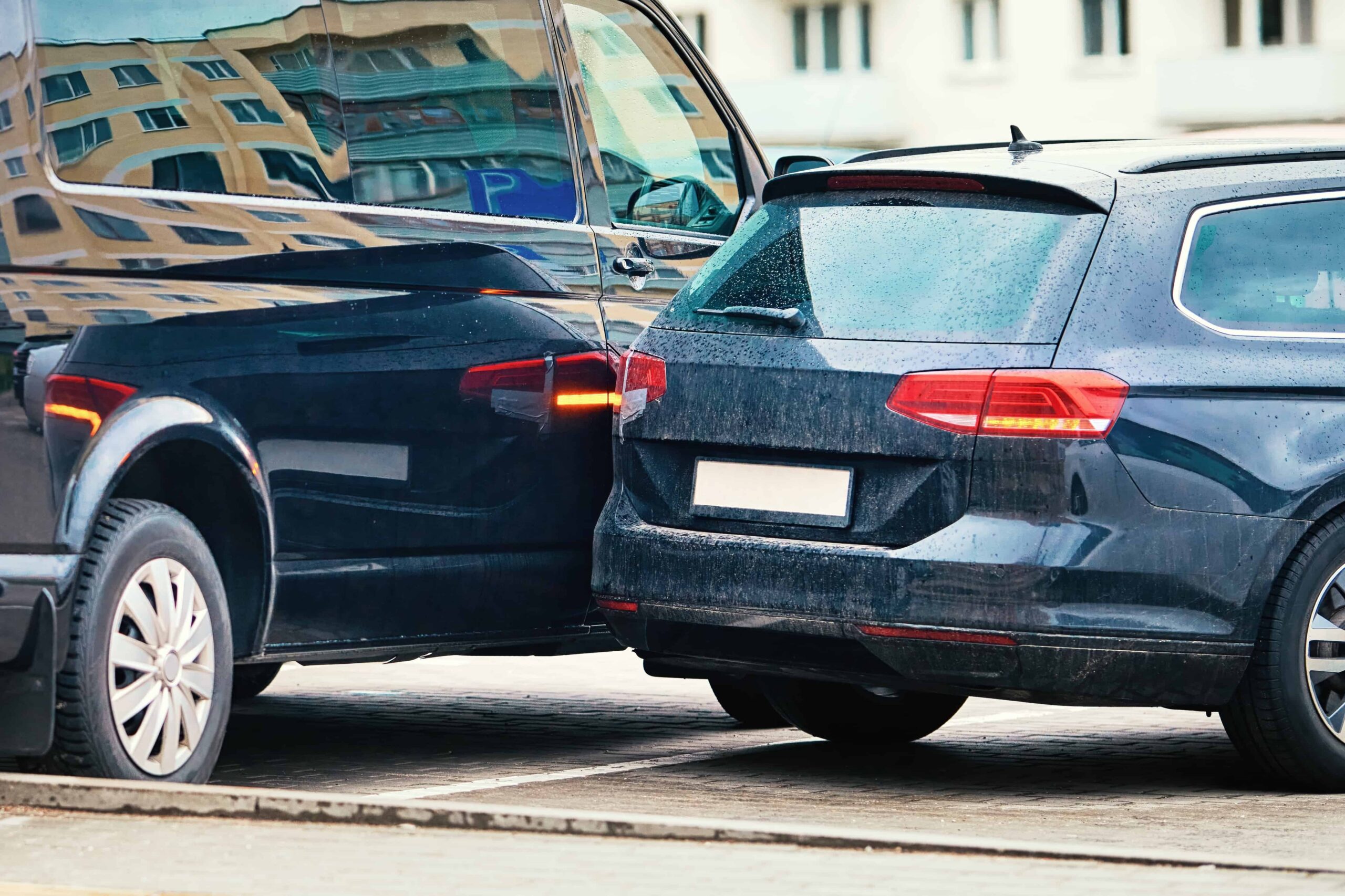
The legal framework that governs parking lot accidents differs from standard traffic collisions on public streets. This distinction affects how courts evaluate fault, what duties each party owes, and which insurance policies may provide coverage.
Most parking lots in San Antonio, Houston, Dallas, and throughout Texas sit on private property. Grocery stores, shopping malls, hospitals, and apartment complexes own or lease the land where their lots are located. This private ownership changes the legal analysis after an accident in important ways.
How Private Property Status Affects Traffic Laws
Texas traffic laws found in the Texas Transportation Code primarily govern behavior on public roadways. Some provisions apply to private property while others do not. Courts examine the specific circumstances to determine which rules control.
Police officers who are responding to parking lot accidents may decline to issue citations or file detailed reports. The private property status sometimes limits their authority to enforce traffic violations. However, this absence of official documentation does not mean no one bears fault for the collision.
When Texas Traffic Statutes Still Apply
Certain Texas traffic laws extend to private property under specific conditions. For example, laws against driving while intoxicated apply regardless of whether the roadway is public or private. Laws requiring drivers to exercise due care to avoid striking pedestrians also reflect general negligence principles that apply everywhere.
The key question is often whether the driver acted reasonably under the circumstances. A driver who speeds through a crowded parking lot or fails to watch for pedestrians may bear fault under general negligence principles even if no specific traffic statute applies.
How Fault Is Evaluated on Private Property
Fault in parking lot accidents typically depends on negligence analysis rather than traffic citations. Courts examine whether each party acted with reasonable care given the circumstances. This approach allows injured pedestrians to pursue claims even without a police report that assigns blame.
Negligence requires showing that someone owed a duty of care, breached that duty, and caused harm as a result. In parking lot cases, both drivers and property owners may owe duties to pedestrians who use the lot.
The Standard of Reasonable Care
Texas law requires people to act as a reasonably prudent person would under similar circumstances. For drivers, this means watching for pedestrians, driving at safe speeds, and yielding when appropriate. For property owners, this means maintaining conditions that do not create unreasonable risks.
The reasonable care standard adapts to the setting. A driver in a busy retail parking lot during holiday shopping season faces different expectations than one in an empty lot late at night. Courts consider what a careful person would have done in that specific situation.
Evidence That Establishes Negligence in Parking Lots
Several types of evidence help establish who acted negligently in a parking lot accident. Attorneys typically gather this information during the investigation phase of a claim.
- Surveillance video from store cameras or nearby businesses that captured the collision.
- Photographs of the parking lot layout, including lane markings, signage, and lighting conditions.
- Witness statements from shoppers or employees who observed the accident.
- Maintenance records that show whether the property owner addressed known hazards.
- Prior incident reports that indicate a pattern of accidents in the same location.
This evidence helps establish what happened and which parties failed to exercise reasonable care.
The Driver's Duties in Parking Lots
Drivers who operate vehicles in parking lots owe duties to pedestrians regardless of the private property setting. These duties arise from general negligence principles rather than specific traffic statutes in most cases.
Parking lots present unique hazards because pedestrians and vehicles share space without the separation that sidewalks and traffic lanes provide on public roads. Drivers must account for this mixed environment.
Watching for Pedestrians Near Vehicles
Pedestrians in parking lots frequently walk between parked cars, load groceries into vehicles, and cross driving lanes to reach store entrances. Drivers must anticipate these movements and watch carefully for people who may step into their path.
A driver who focuses only on finding a parking space while ignoring pedestrians nearby may bear significant fault if a collision occurs. The duty to maintain a proper lookout applies in parking lots just as it does on public streets.
Speed and Control in Parking Areas
Parking lots typically lack posted speed limits, but drivers must still travel at speeds that allow them to stop safely. According to the National Safety Council, tens of thousands of crashes occur in parking lots and parking garages each year across the United States.
A driver who speeds through a parking lot reduces their ability to react to pedestrians. Courts may find such drivers negligent even without a specific speed limit violation.
The Property Owner's Duties for Safe Conditions

Property owners in Texas owe duties to visitors under premises liability law. These duties include maintaining reasonably safe conditions and warning visitors about known hazards. A property owner who fails to meet these obligations may share liability when a pedestrian is injured.
The level of duty depends on the visitor's status. Customers at retail stores are typically considered invitees, the category that receives the highest level of protection under Texas law.
Lighting and Visibility Requirements
Adequate lighting helps pedestrians see approaching vehicles and helps drivers see pedestrians. A property owner who allows lights to burn out or fails to install sufficient lighting in a parking area may bear responsibility for accidents that occur in dark conditions.
Courts examine whether the lighting met reasonable standards for the type of property and its typical use. A 24-hour grocery store parking lot, for example, faces different expectations than a small office building that closes at 5 p.m.
Traffic Flow and Design Issues
Parking lot design affects pedestrian safety. Confusing traffic patterns, missing crosswalk markings, obstructed sightlines, and poorly placed stop signs may contribute to accidents. Property owners who know about design problems but fail to address them may share fault when those problems cause injuries.
The following design issues may contribute to parking lot pedestrian accidents.
- Missing or faded crosswalk markings that leave pedestrians without designated walking paths.
- Obstructed views caused by landscaping, signs, or parked vehicles near driving lanes.
- Confusing traffic flow that sends vehicles and pedestrians into conflict zones.
- Potholes or uneven surfaces that cause pedestrians to trip or drivers to swerve unexpectedly.
- Missing stop signs or yield signs at internal intersections within the lot.
Property owners who ignore these hazards may face premises liability claims alongside claims against negligent drivers.
Shared Responsibility in Texas: Modified Comparative Negligence
Texas recognizes that more than one party may contribute to an accident. The state's modified comparative negligence system allocates fault among all responsible parties and adjusts compensation accordingly.
Under Texas Civil Practice and Remedies Code Section 33.001, an injured person may recover damages if their percentage of responsibility is 50 percent or less. The recovery decreases by the injured person's assigned fault percentage.
When Both Driver and Property Owner Share Fault
A parking lot accident may involve negligence by both the driver and the property owner. For example, a driver may have been speeding while the property owner had allowed lights to burn out, creating a dangerous combination. Both parties may bear a portion of the fault.
This shared responsibility means an injured pedestrian may have claims against multiple defendants. Each defendant's insurance company may participate in settlement negotiations or litigation.
How Pedestrian Fault Affects Recovery
Pedestrians also owe duties to watch where they walk and avoid obvious hazards. A pedestrian who walks into a driving lane while looking at a phone may bear some fault if they are struck by a vehicle. Texas law reduces the pedestrian's recovery by their percentage of responsibility.
However, pedestrian fault does not automatically eliminate a claim. If the pedestrian's fault is 50 percent or less, they may still pursue compensation from negligent drivers or property owners. The comparative negligence analysis examines everyone's conduct.
Insurance Coverage in Parking Lot Cases

Insurance coverage for parking lot accidents may come from multiple sources. The driver's auto liability policy typically covers injuries caused by the driver's negligence. The property owner's commercial general liability policy may cover injuries caused by unsafe premises conditions.
Determining which policies apply and how they interact requires examining the specific facts. Some policies contain exclusions for certain types of claims or locations.
The Driver's Auto Insurance
Auto liability insurance follows the vehicle regardless of whether the accident occurs on public or private property. A driver who negligently strikes a pedestrian in a parking lot faces the same insurance coverage analysis as one who causes an accident on a public street.
The Property Owner's Premises Liability Coverage
Commercial property owners typically carry liability insurance that covers injuries occurring on their premises. If unsafe conditions contributed to the accident, this coverage may provide compensation to the injured pedestrian.
Large retail chains and shopping centers may have substantial liability coverage. Apartment complexes, hospitals, and other property types also maintain premises liability policies.
FAQs for Parking Lot Pedestrian Accident Claims
Does a police report matter if officers say they have no jurisdiction?
Police reports provide helpful documentation but are not required to pursue a civil claim. When officers decline to investigate parking lot accidents fully, other evidence such as surveillance video, witness statements, and photographs becomes more important. The absence of a citation does not determine civil liability.
What if the parking lot has signs that say "not responsible for accidents"?
Disclaimer signs do not eliminate a property owner's legal duties under Texas premises liability law. Property owners may not simply disclaim responsibility for their own negligence. Courts examine whether the owner met their duty of reasonable care regardless of posted signs.
How do claims work when the parking lot is shared by multiple businesses?
Shared parking lots may involve multiple property owners, tenants, or management companies. Determining who bears responsibility for maintenance and safety requires examining lease agreements and management contracts. More than one entity may share premises liability depending on how duties were allocated.
What happens if the driver leaves the scene of a parking lot accident?
Hit-and-run accidents complicate claims but do not make recovery impossible. Surveillance video may capture the vehicle's license plate. Witness descriptions may help identify the driver. Uninsured motorist coverage on the pedestrian's own auto policy may also provide compensation when the at-fault driver remains unidentified.
Are shopping cart injuries treated the same as vehicle accidents?
Shopping cart injuries involve different legal analysis than vehicle accidents. Cart injuries typically fall under premises liability alone, focusing on whether the property owner maintained safe conditions. Vehicle accidents may involve both driver negligence and premises liability depending on the circumstances.
When a Routine Errand Turns Serious
A trip to the grocery store or shopping center rarely feels dangerous, but parking lot accidents happen more often than many people realize. When a pedestrian is struck on private property, the path to fair compensation involves questions about driver negligence, property owner duties, and Texas premises liability law.
Cowen Law represents injured pedestrians throughout Texas who face these complex claims. Our attorneys know how to fight for fair compensation by identifying all potentially responsible parties and gathering the evidence that strengthens your claim. Contact our team for a free consultation. We handle parking lot accident cases on a contingency fee basis, meaning our attorney fees depend on recovering compensation for your injuries.
Call us at (210) 941-1306 for a free consultation or contact us below. No cost to you unless we win.