A hit-and-run accident in Bryan leaves you with more than damage and injuries. It leaves you with a missing defendant. The driver who caused your crash sped off, and now you face medical bills and vehicle damage without an obvious party to hold responsible. What you do next can determine whether you recover at all.
At Cowen | Rodriguez | Peacock, we handle hit-and-run cases throughout the Brazos Valley, and our nearby College Station office puts us close to the Bryan roads where these crashes happen. A fleeing driver does not have to mean an empty recovery.
Several paths may still lead to compensation, and the steps you take early keep those paths open. Call us at (210) 941-1301 for a free consultation.
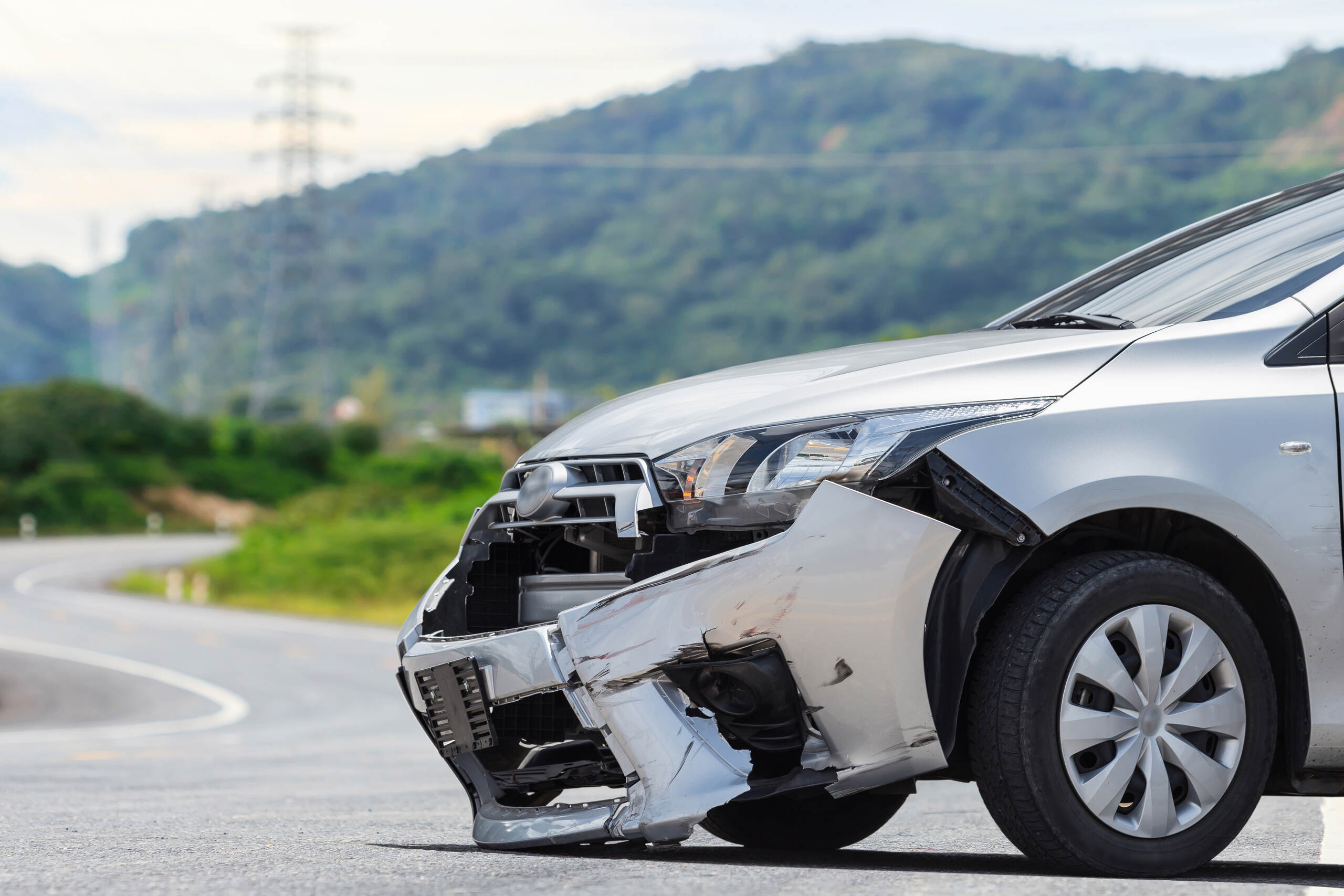
Key Takeaways for a Bryan Hit-and-Run Accident
- Reporting the crash to police quickly is a critical first step.
- Details about the fleeing vehicle can help identify the driver.
- Uninsured motorist coverage often provides a path to recovery.
- Nearby cameras may have captured the crash or the fleeing car.
- Acting fast protects both evidence and your claim.
What should you do after a hit-and-run accident in Bryan, Texas?
After a hit-and-run in Bryan, get to safety and seek medical care, then report the crash to police right away and gather what details you can about the fleeing vehicle. Contact your insurer about uninsured motorist coverage, which often provides the path to recovery when the at-fault driver cannot be found.
Why Are Hit-and-Run Crashes Different?
A hit-and-run changes the shape of a claim from the start. In an ordinary crash, you know who hit you. In a hit-and-run, the central question becomes whether the driver can be found at all. That difference drives everything that follows.
The Missing Driver Problem
When a driver flees, you lose the obvious source of recovery. Their insurance normally pays for the harm they caused. Without identifying them, that door stays closed unless other options open. This is the core challenge every hit-and-run victim faces.
The Race to Identify the Driver
Finding a fleeing driver often depends on evidence gathered quickly. Witness memories fade, camera footage cycles out, and physical clues disappear. The sooner the search begins, the better the odds of putting a name to the vehicle that hit you.
Recovery May Still Be Possible
A hit-and-run does not automatically mean no recovery. Texas drivers often carry coverage designed for exactly this situation. Even when the driver is never found, a path to compensation may remain open through your own policy.
Navigate post-game congestion and unexpected collisions effectively by reading our expert advice on a car accident on gameday in College Station.
What Should You Do Immediately After a Hit-and-Run?
The moments after a hit-and-run are disorienting, but a few focused actions protect both your health and your claim. Safety comes first, and no piece of evidence is worth further harm.
Get to Safety and Seek Care
Move out of traffic if you can, and get medical attention promptly. A hit-and-run often happens fast and hard, and injuries may not be obvious at first. Prompt care protects your health and documents any harm while its link to the crash stays clear.
Call the Police Right Away
Reporting a hit-and-run to law enforcement is essential. A police report creates the official record of the crash and starts any investigation into the fleeing driver. Fleeing the scene of an injury crash is a serious offense under Texas law, and police take these reports seriously.
Capture What You Remember
As soon as you safely can, write down every detail about the fleeing vehicle:
- Make, model, and color of the vehicle
- Any part of the license plate you saw
- The direction the driver fled
- Distinctive damage, stickers, or markings
- The time and exact location of the crash
How Can a Fleeing Driver Be Identified?
Even when a driver disappears, they often leave a trail. Identifying them turns a hit-and-run into an ordinary claim against their insurance. Several sources can help build that identification.
Nearby Camera Footage
Bryan has businesses, homes, and traffic points with cameras that may have captured the crash or the fleeing vehicle. Whether footage exists and remains available depends on the system, and much of it is overwritten quickly. Moving fast to request preservation gives the best chance of securing it.
Witness Accounts
People who saw the crash may have caught details you missed, including a fuller look at the license plate or the vehicle. Independent witnesses can be difficult to locate later, so gathering their contact information early matters a great deal.
Physical Evidence
A fleeing vehicle often leaves something behind. Paint transfer, broken parts, and debris at the scene can help identify the make or model of the vehicle. This physical evidence supports the investigation and degrades quickly once the scene is cleared.
What If the Driver Is Never Found?
Sometimes, despite every effort, the fleeing driver stays unidentified. This is the moment many hit-and-run victims fear most. Texas insurance law, though, provides a path built for exactly this situation.
Uninsured Motorist Coverage
Uninsured motorist coverage is designed to protect you when the at-fault driver cannot be identified or lacks insurance. A hit-and-run driver is treated as an uninsured driver under this coverage. If you carry it, your own policy may cover your injuries and losses. Texas insurers must offer this coverage, though drivers can decline it in writing.
Reviewing Every Applicable Policy
More coverage may exist than you realize. Your own policy, a policy in your household, or another applicable policy may provide uninsured motorist protection. Reviewing all of them is an important step, because families often have coverage they have forgotten about.
How These Claims Work
An uninsured motorist claim is filed with your own insurer, but that does not make the insurer your ally. These claims still require proof of the crash, fault, and damages. The insurer may still dispute the claim, which is why treating it with the same care as any other claim protects your recovery.
Why Do Insurers Resist Hit-and-Run Claims?
Filing an uninsured motorist claim with your own insurer feels like it should be straightforward. In practice, insurers scrutinize these claims closely. Knowing why helps you protect your position.
The Burden Falls on You
In a hit-and-run claim, you must show that another vehicle caused the crash and fled. Without the other driver present, insurers sometimes question whether the crash happened as described. Solid evidence answers that doubt and supports the claim.
Corroboration Often Matters
Because the other driver is absent, corroborating evidence carries weight. A prompt police report, witness accounts, physical evidence, and any camera footage all help confirm your account. Building that record early strengthens the claim against insurer skepticism.
The Value of Careful Handling
Uninsured motorist claims involve the same tactics as other injury claims, including recorded statement requests and early low offers. Handling these claims with care, and with guidance protects you from the pressure insurers apply. This is one more reason to involve a Bryan car accident attorney early.
What Does Texas Law Say About Fleeing the Scene?
The driver who fled did more than cause a crash. Under Texas law, leaving the scene of an injury crash is a crime. Understanding this adds context to your situation and the investigation that follows.
A Legal Duty to Stop
Texas law requires drivers involved in a crash to stop, provide information, and render aid when someone is hurt. A driver who flees an injury crash violates that duty. This legal obligation is why police treat hit-and-run injury cases as criminal matters, not just traffic incidents.
Criminal and Civil Tracks
A fleeing driver may face criminal charges if identified. That criminal case runs separately from your civil claim for compensation. The two can proceed at the same time, and evidence from the criminal investigation may support your civil recovery.
Why This Matters for You
The seriousness of a hit-and-run under Texas law means law enforcement has real reason to investigate. When the driver is identified, both a criminal case and your civil claim become possible. The Texas Department of Transportation maintains crash reporting resources that factor into these cases.
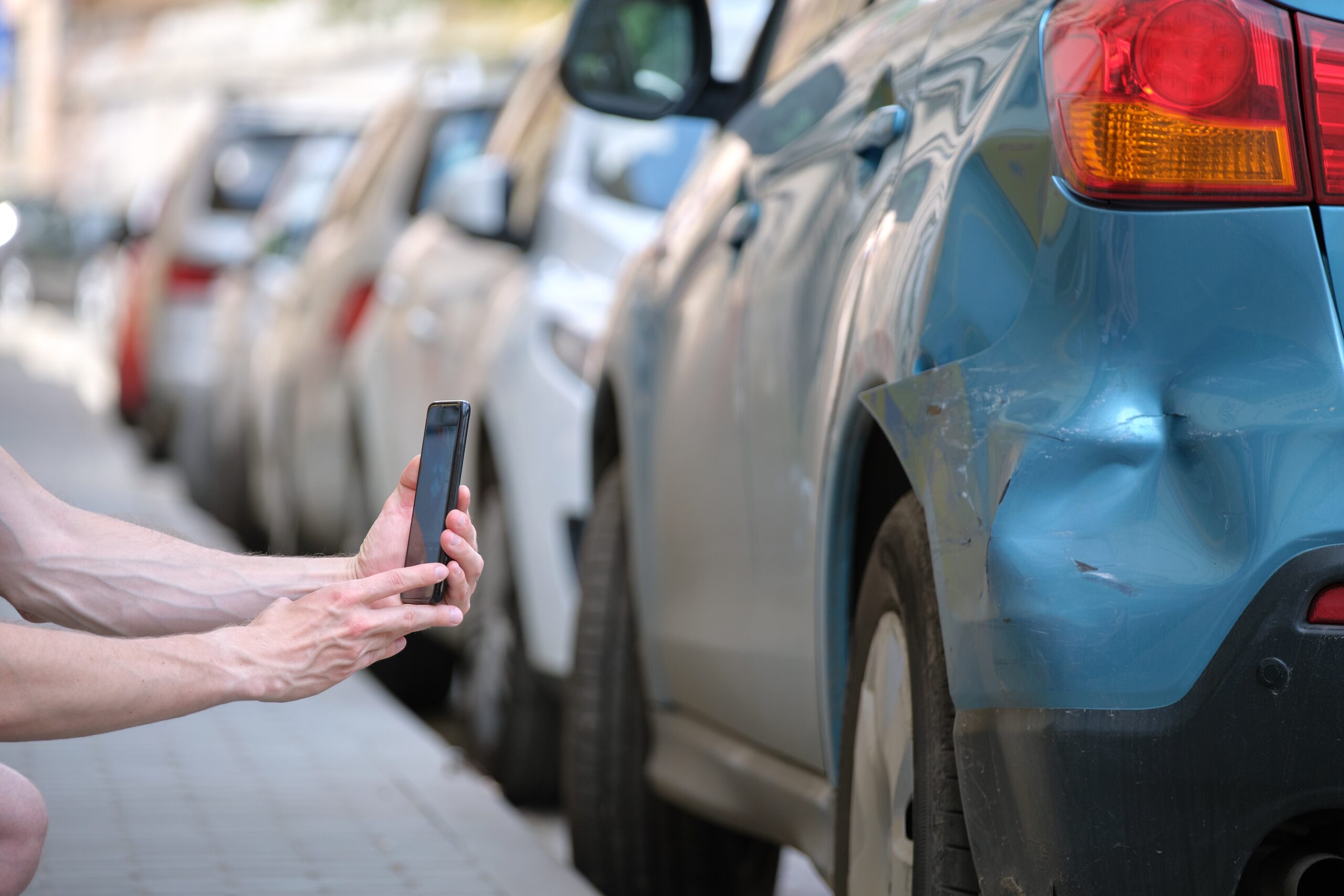
FAQ for a Bryan Hit-and-Run Accident
What if I only saw part of the license plate?
A partial plate can still help. Combined with the vehicle's make, model, color, and the location of the crash, even a few characters can narrow the search considerably. Share every detail you remember with police, because small clues sometimes lead to identifying the driver.
Will my insurance rates go up if I file an uninsured motorist claim?
Filing a claim for a crash that was not your fault should not be treated the same as an at-fault claim. Texas law offers protections in this area, though specifics depend on your policy and insurer. The more important point is that uninsured motorist coverage exists to be used in exactly this situation.
What if I did not have uninsured motorist coverage?
Other paths may still exist. Camera footage or witnesses might identify the driver, opening a claim against their insurance. Reviewing all available household policies may also reveal coverage. An attorney can help identify every possible avenue for recovery.
How long do I have to file a claim after a Bryan hit-and-run?
Texas generally allows two years for most injury claims underTexas Civil Practice and Remedies Code Section 16.003. Uninsured motorist claims may also carry their own notice requirements under your policy. Acting promptly protects both the deadline and the evidence.
Should I report the hit-and-run even if the damage seems minor?
Yes. Report every hit-and-run to police, even when the damage looks small. Injuries can surface later, hidden damage is common, and the police report becomes essential if you need to file a claim. Reporting also supports any effort to identify the fleeing driver.
A Fleeing Driver Does Not Have to Mean an Empty Recovery
The driver who hit you and ran may think they escaped responsibility. Often, they have not. Between camera footage, witnesses, physical evidence, and the coverage built into Texas policies, paths to recovery frequently remain open. The key is acting before those paths close.
From your first call, you speak directly with an attorney, not a case manager or paralegal. We know the Bryan and College Station roads where these crashes happen, and we know how to pursue every avenue a hit-and-run leaves behind.
Consultations are free, available 24/7, and you owe us nothing unless we recover money for you. Call Cowen | Rodriguez | Peacock at (210) 941-1301, and let us help you find the way forward.