A T-bone collision can leave both drivers insisting they had the right of way. One says the light was green. The other says the vehicle appeared without warning. The point of impact alone does not settle that dispute.
Cowen | Rodriguez | Peacock investigates the full sequence. We secure intersection video, signal records, vehicle data, phone records, and witness statements, then build the case around evidence that can withstand an insurance defense and a Texas courtroom.
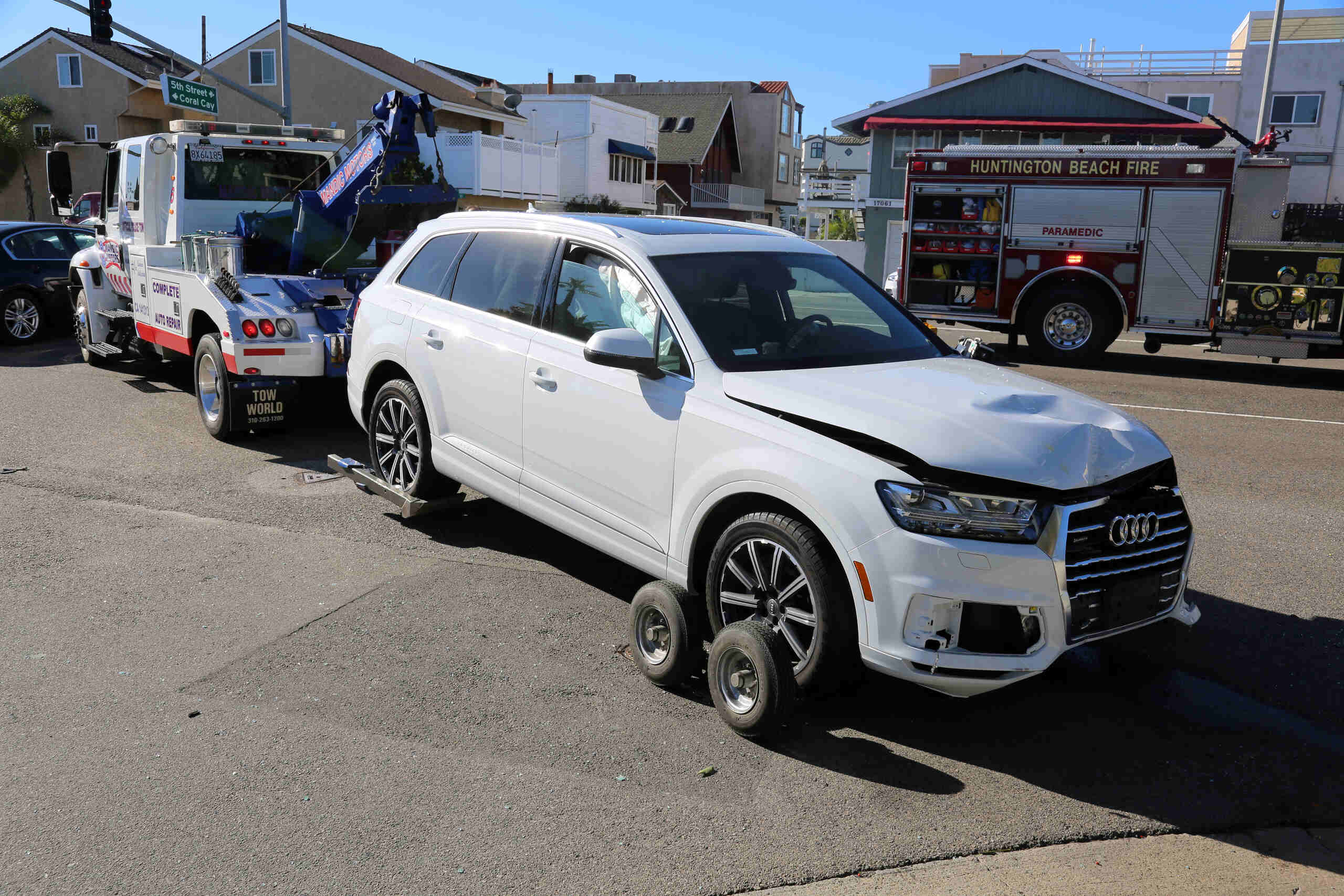
The Fault Rules That Matter at an Intersection
- The driver who runs a light, ignores a stop sign, fails to yield, or turns across approaching traffic usually causes the crash.
- The location of the damage shows the impact angle, but it does not prove which driver had the right of way.
- More than one driver can share responsibility under Texas law.
- Employers, rideshare companies, vehicle owners, and other businesses can also be liable.
- Video and electronic evidence can disappear long before the lawsuit deadline expires.
Who is at fault for a T-bone accident in Texas?
The driver who violated the right of way usually bears fault for a Texas T-bone crash, but video, signal timing, vehicle data, and witness accounts determine whether one or several parties must pay.
Who Is Usually at Fault for a T-Bone Accident in Texas?
The driver who enters the intersection without the legal right of way is usually at fault. That can be a driver who runs a red light, leaves a stop sign too soon, turns left across traffic, or pulls from a driveway into an approaching vehicle.
A Driver Who Runs a Red Light
A red-light violation creates a direct explanation for many side-impact collisions. The disputed issue is often not the rule but which signal each driver faced when entering the intersection.
We investigate:
- Traffic and business surveillance footage
- Dashcam recordings
- Signal timing and sequencing
- Witness statements
- Vehicle speed and braking data
- Phone activity near the time of impact
A driver’s statement that the light was green does not outweigh objective evidence showing otherwise.
A Driver Who Fails to Yield at a Stop Sign
Stopping at the sign is only part of the duty. The driver must remain stopped until the intersection can be entered safely without interfering with traffic that has the right of way.
The official Texas Transportation Code intersection and right-of-way rules require drivers to stop and yield at controlled intersections and to yield to vehicles that have entered or are approaching closely enough to create an immediate hazard. Texas law also creates a presumption against a driver who was required to yield and then collided with the protected traffic.
A Driver Who Turns Left Across Traffic
A driver turning left must yield to an approaching vehicle that is already in the intersection or close enough to present an immediate hazard. Misjudging speed, trying to beat traffic, or turning while distracted can create a violent side impact.
The turning driver is not automatically liable in every case. The approaching driver can share fault for speeding, running a signal, or making another unsafe movement.
What Evidence Determines T-Bone Accident Fault?
T-bone crash liability depends on evidence showing where each vehicle was, what traffic control applied, and whether either driver had time to avoid the collision. We look beyond the police diagram and reconstruct the moments before impact.
| Evidence | What It Can Establish |
| Intersection video | Signal color, vehicle movement, lane position, and impact sequence |
| Signal timing records | The order and duration of green, yellow, red, and protected-turn phases |
| Event data | Speed, braking, throttle use, and changes in velocity |
| Phone records | Calls, messages, navigation use, and possible distraction |
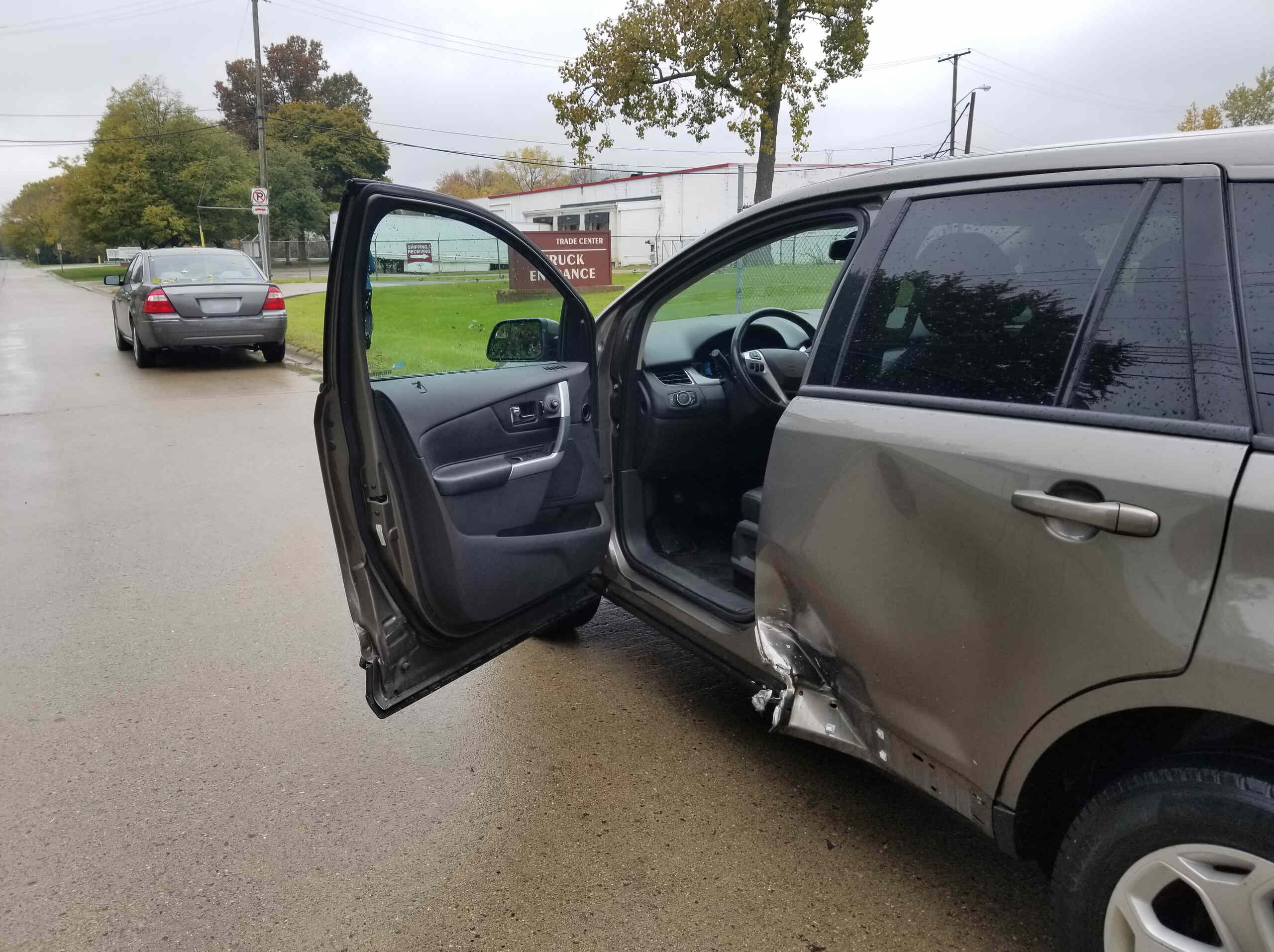
| Vehicle damage | Angle of impact, movement direction, and whether several impacts occurred |
| Witness accounts | Traffic-light observations, driver conduct, and statements after the crash |
| Roadway evidence | Skid marks, debris, lane markings, visibility, and sight obstructions |
Video Can Resolve Competing Stories
Video often provides the clearest account of a side-impact collision. Cameras can be located at nearby businesses, homes, parking facilities, buses, rideshare vehicles, and other cars.
Recordings are frequently overwritten. We identify potential sources and send preservation demands before routine systems erase them.
Vehicle Data Can Show Speed and Braking
Modern vehicles can store information from the seconds surrounding a crash. Depending on the system, the data can show speed, brake application, throttle position, steering input, and the force of impact.
That information can confirm that one driver never braked, entered at high speed, or accelerated into the intersection. It can also expose shared fault when the driver with the right of way was traveling dangerously fast.
Witnesses Can Confirm the Signal and Sequence
Independent witnesses may have seen the traffic light, heard acceleration, or watched one vehicle enter after cross traffic had begun moving.
Witnesses leave, memories fade, and phone numbers change. Early contact allows us to preserve their accounts while the details remain fresh.
Can Both Drivers Be at Fault for a Side-Impact Collision?
Yes. Texas can assign fault to every person whose conduct contributed to a T-bone crash. Having the right of way does not give a driver permission to speed, drive distracted, or ignore a danger that is already visible.
Texas Uses Proportionate Responsibility
Under Texas Civil Practice and Remedies Code Chapter 33, an injured claimant can recover when that person is 50 percent or less responsible. The recovery is reduced by the assigned percentage, while a claimant found more than 50 percent responsible cannot recover.
A person with $200,000 in proven damages who is found 20 percent responsible can recover $160,000.
Insurance Companies Push Blame Onto the Injured Driver
An insurer may argue that the injured person:
- Entered late on a yellow light
- Was speeding
- Failed to keep a proper lookout
- Could have braked or swerved
- Used a phone
- Drove without headlights
- Occupied the wrong lane
These claims are designed to reduce payment. We compare them with signal records, vehicle data, visibility, road geometry, video, and the other driver’s conduct.
A Third Driver Can Trigger the Collision
A third vehicle may block a driver’s view, force a lane change, or strike one vehicle and push it into another. A chain-reaction side impact requires a complete impact sequence before fault can be assigned.
Vehicle damage, event data, debris, and witness testimony can show whether the apparent striking vehicle was itself pushed into the crash.
Who Else Can Be Liable for a T-Bone Crash?
The driver is not always the only responsible party. Employment, vehicle ownership, rideshare activity, road conditions, and defective equipment can bring additional defendants and insurance policies into the case.
An Employer or Commercial Vehicle Company
An employer can be responsible when an employee causes the collision while carrying out assigned work. The company can also face direct liability for unsafe hiring, training, supervision, or vehicle maintenance.
We examine:
- Work assignments
- Dispatch communications
- Driver history
- Company phone policies
- Vehicle ownership
- Maintenance records
- Commercial insurance coverage
A Rideshare Company or Delivery Platform
Uber, Lyft, and delivery crashes can involve different coverage depending on the driver’s app status. The key question is whether the driver was offline, waiting for work, traveling to a customer, or completing a trip.
App records, GPS data, trip history, and company communications establish which policy applies.
A Vehicle Owner or Product Manufacturer
A vehicle owner can be liable for allowing an unsafe or unlicensed person to drive. A manufacturer or seller can face liability when defective brakes, steering, tires, signals, or another component contributes to the collision.
The failed part and vehicle must be preserved before repairs destroy the evidence.
What Compensation Can a T-Bone Accident Claim Include?
A Texas side-impact claim can include all financial and personal losses resulting from the crash. The amount depends on the severity of the injury, future needs, evidence of fault, available insurance, and the impact on work and daily life.
Medical and Employment Losses
Recoverable economic losses can include:
- Emergency and hospital care
- Surgery and rehabilitation
- Medication and medical equipment
- Future treatment
- Lost wages
- Reduced earning capacity
- Vehicle repair or replacement
- Rental, towing, and transportation costs
A serious claim must account for expected future losses, not only the bills and missed paychecks already documented.
Personal and Family Losses
Texas law can also allow compensation for physical pain, mental anguish, impairment, and disfigurement. A fatal T-bone crash can create separate wrongful death and survival claims.
We use medical records, employment evidence, photographs, family testimony, and professional analysis to show what the collision changed.
What Should You Protect in the Days and Weeks After the Crash?
The days and weeks after a T-bone accident should focus on consistent documentation and evidence preservation. Missing records give the insurer more room to dispute both fault and damages.
Keep the Claim Materials Together
Consider preserving:
- Medical bills and appointment records
- Wage and missed-work information
- Vehicle photographs and repair estimates
- Witness names and contact details
- Insurance letters and emails
- Towing and rental receipts
- Dashcam or phone video
- Notes about work and activities the injuries prevent
Be Careful With Recorded Statements
An adjuster may ask you to estimate speed, signal color, distance, or the exact moment you saw the other vehicle. Early estimates can later be presented as firm admissions.
Cowen | Rodriguez | Peacock handles insurer communications for our clients. We provide necessary information without allowing a rushed interview to define the case.
Do Not Let the Vehicle Evidence Disappear
A heavily damaged car may be sold for salvage soon after a total-loss decision. Event data, impact patterns, lighting systems, and mechanical evidence can disappear with it.
We act quickly when a vehicle inspection or data download can answer a disputed fault question.
How Long Do You Have to File a Texas T-Bone Accident Lawsuit?
Texas usually gives an injured person two years to file a personal injury lawsuit, although exceptions and shorter government notice rules can change the deadline.
The Evidence Deadline Comes First
The filing period does not preserve:
- Surveillance video
- Signal records
- Vehicle data
- Phone information
- Witness memories
- Damaged vehicles
- Rideshare or delivery records
A lawsuit filed within two years can still be difficult to prove if the key evidence disappeared in the first few weeks.
Texas T-Bone Accident Questions Answered by Our Attorneys
Does the Driver With Front-End Damage Automatically Bear Fault?
No. Front-end damage shows which part of the vehicle made contact, not who violated the right of way. A vehicle can strike the side of another car because that car ran a light or entered from a stop sign.
What If Both Drivers Say They Had a Green Light?
Video, signal timing, witness statements, vehicle data, and traffic patterns can resolve the dispute. The police report may record the competing accounts, but it does not make either statement conclusive.
Can a Passenger File a T-Bone Accident Claim?
Yes. A passenger can pursue every driver, company, or other party whose negligence caused the injuries. Passenger claims often proceed even when the drivers continue disputing fault.
Who Pays If the At-Fault Driver Has No Insurance?
Uninsured motorist coverage can apply when the responsible driver lacks insurance. PIP, collision, health coverage, and other policies can also provide benefits depending on the circumstances and policy terms.
Does a Traffic Ticket Decide T-Bone Crash Liability?
No. A citation can support the claim, but it does not decide civil fault. Video, electronic data, witnesses, physical evidence, and right-of-way rules provide a more complete account.
When Two Stories Collide, Evidence Decides
A T-bone crash often begins with two conflicting versions. The insurer benefits when video disappears, vehicles are destroyed, and witnesses become harder to find.
Cowen | Rodriguez | Peacock secures the evidence, identifies every responsible party, and prepares serious cases for trial from the start. Clients speak directly with a Texas car accident attorney and receive clear answers throughout the claim.
Call Cowen | Rodriguez | Peacock at (210) 941-1301 for a free consultation. We are available 24/7, and there is No Cost to You unless we win.