A Texas drunk driving accident lawyer handles cases that differ fundamentally from typical car crash claims. When an impaired driver causes a collision, the law recognizes that this was not an ordinary mistake or momentary lapse in judgment. Choosing to drive while intoxicated reflects a conscious disregard for the safety of everyone else on the road.
Texas law provides a specific remedy for this type of misconduct through exemplary damages, sometimes called punitive damages. These damages go beyond compensating victims for their injuries and losses. They exist to punish especially dangerous behavior and deter others from making the same choice. For families devastated by drunk driving crashes, civil accountability offers something the criminal justice system alone may not provide.
Call us at (210) 941-1306 for a free consultation or contact us below. No cost to you unless we win.
Key Takeaways for Texas Drunk Driving Accident Claims
- Texas law allows exemplary damages in civil cases involving gross negligence, which drunk driving may establish, depending on the specific facts.
- Exemplary damages serve to punish and deter wrongful conduct, not merely to compensate victims for their losses.
- Under Texas Civil Practice and Remedies Code Section 41.001, gross negligence requires proof that the defendant's conduct involved an extreme degree of risk and that the defendant acted with conscious indifference to others' safety.
- A criminal DUI conviction does not automatically result in civil liability, though criminal case evidence may support the civil claim.
- Exemplary damages require a higher burden of proof than ordinary negligence claims, meaning clear and convincing evidence must support the claim.
Why Drunk Driving Crashes Are Treated Differently
The legal system distinguishes between accidents caused by momentary carelessness and crashes caused by decisions that reflect serious disregard for human life. A driver who glances at their phone commits negligence. A driver who gets behind the wheel knowing they are impaired makes a fundamentally different choice.
This distinction matters because ordinary negligence claims focus only on compensating victims. Drunk driving cases raise questions about accountability that go beyond making someone whole financially.
The Difference Between Negligence and Gross Negligence
Ordinary negligence involves failing to exercise reasonable care. A driver who follows too closely or misses a stop sign acts negligently. These actions create risk, but they do not necessarily reflect conscious disregard for safety.
Gross negligence involves conduct so reckless that it demonstrates awareness of an extreme risk combined with indifference to whether harm occurs. Texas courts recognize that driving while intoxicated may meet this higher standard because impaired drivers know alcohol affects judgment and reaction time yet choose to drive anyway.
Why This Distinction Affects Compensation
When a defendant's conduct rises to the level of gross negligence, Texas law permits recovery beyond compensatory damages. Victims may pursue compensation for medical bills, lost wages, and pain, as well as exemplary damages intended to punish the defendant's misconduct.
This additional remedy reflects society's judgment that drunk driving warrants consequences beyond simply paying for the damage caused. The civil system provides accountability that criminal penalties alone may not achieve.
What Exemplary Damages Are and Why They Exist
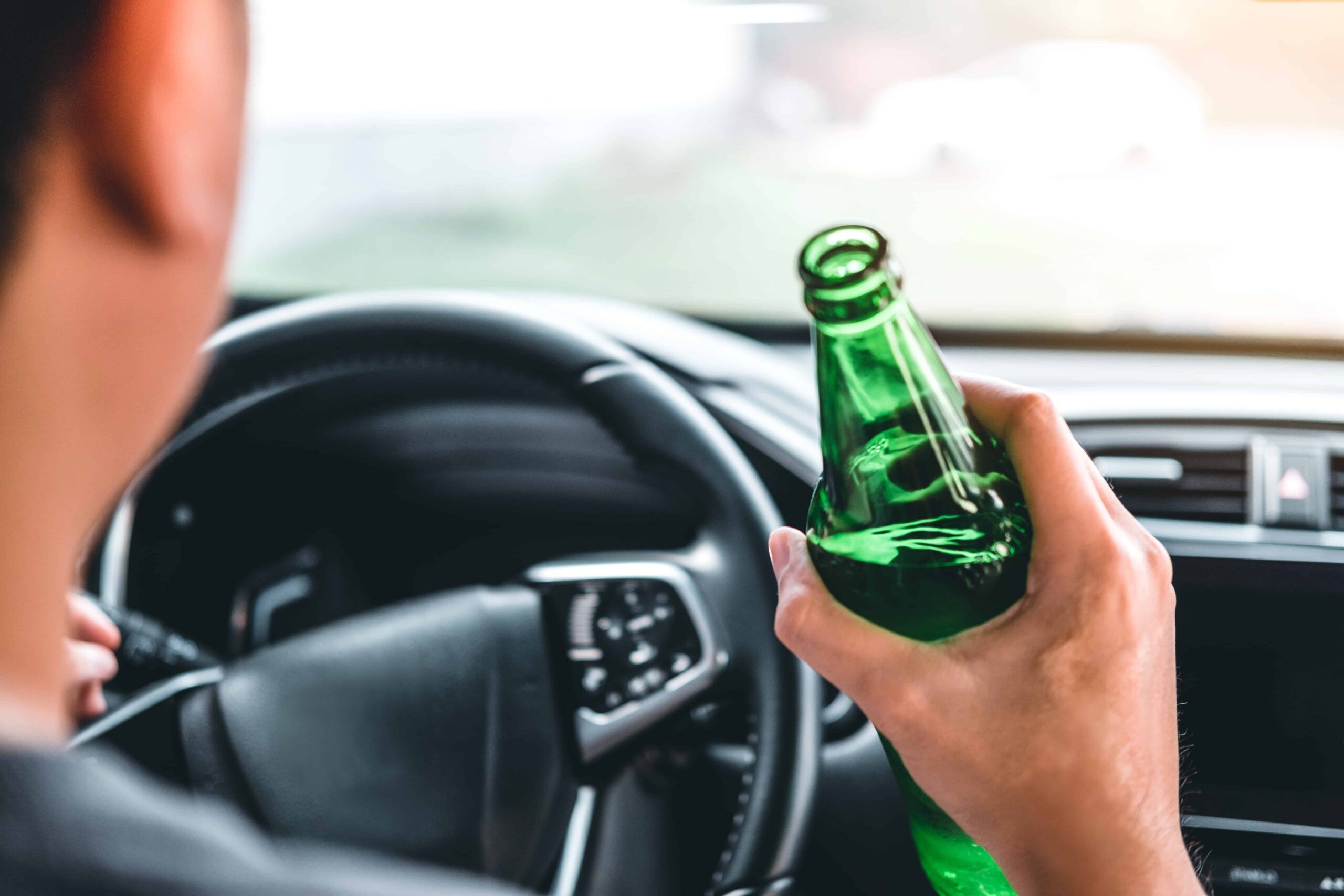
Exemplary damages serve purposes distinct from other forms of compensation. While compensatory damages aim to restore victims financially, exemplary damages focus on the defendant's conduct rather than the plaintiff's losses. Texas law authorizes these damages specifically to punish wrongdoing and discourage similar behavior.
The term "exemplary" reflects the idea that these damages make an example of particularly blameworthy conduct. They send a message that certain choices carry consequences beyond paying bills.
The Punitive Purpose of Exemplary Damages
Exemplary damages exist because some conduct is so dangerous that mere compensation fails to address the wrong adequately. A drunk driver who injures someone pays the same compensatory damages whether they were slightly negligent or extremely reckless. Exemplary damages create a distinction between these situations.
The Deterrence Function
Beyond punishing individual defendants, exemplary damages aim to deter others from similar conduct. When juries award significant exemplary damages in drunk driving cases, the message reaches beyond that single case. The potential for substantial civil liability may influence decisions about whether to drive after drinking.
This deterrence function operates alongside criminal penalties. Someone considering driving while impaired faces not only potential arrest and criminal consequences but also the possibility of significant civil damages if they cause a crash.
How Texas Defines Gross Negligence
Texas law sets specific requirements for gross negligence claims. Meeting these requirements is necessary before a jury may even consider exemplary damages. The standard is higher than ordinary negligence, requiring proof of both objective risk and subjective awareness.
Texas Civil Practice and Remedies Code Section 41.001 defines gross negligence as conduct involving an extreme degree of risk and actual, subjective awareness of that risk combined with proceeding in conscious indifference to the rights, safety, or welfare of others.
The Extreme Risk Requirement
The first element requires showing that the defendant's conduct involved an extreme degree of risk. This means more than ordinary danger. The risk must be so significant that a reasonable person would recognize it as substantially different from everyday hazards.
Driving while intoxicated typically satisfies this element because impairment dramatically increases crash risk. Studies consistently show that alcohol affects reaction time, judgment, and motor control in ways that make serious collisions far more likely.
The Conscious Indifference Requirement
The second element requires proving that the defendant actually knew about the risk and proceeded anyway with conscious indifference. This subjective awareness distinguishes gross negligence from merely unreasonable conduct.
For drunk driving cases, this element may be established through evidence showing the defendant knew they were impaired. The following types of evidence may support this element in Texas drunk driving claims.
- Blood alcohol concentration test results showing intoxication levels.
- Witness testimony about the defendant's drinking before driving.
- Statements the defendant made acknowledging impairment.
- Video footage from bars, restaurants, or law enforcement body cameras.
- Prior DUI convictions that demonstrate awareness of impairment risks.
This evidence helps establish that the defendant understood the danger of driving impaired yet chose to do so regardless.
The Higher Burden of Proof for Exemplary Damages
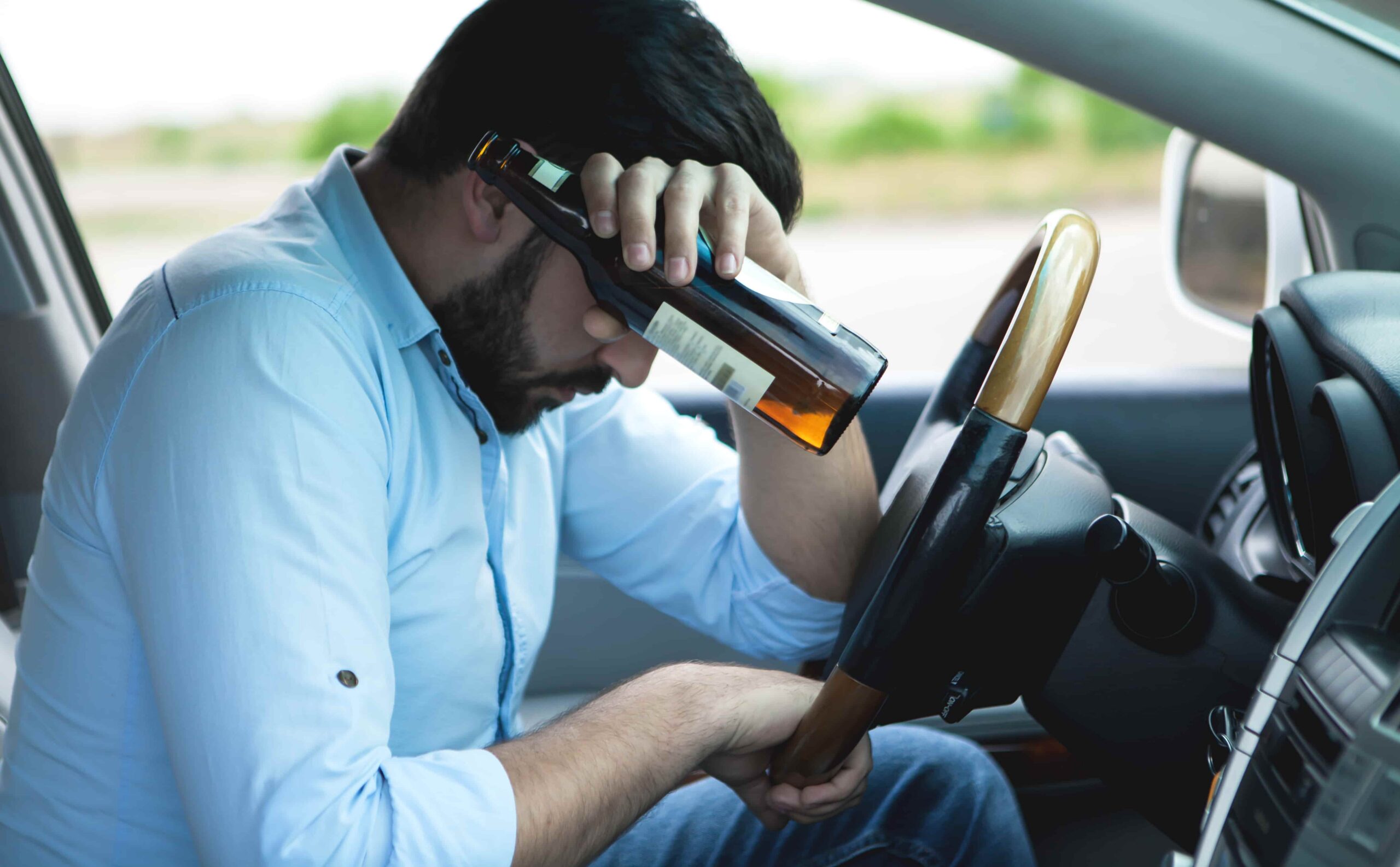
Texas law requires a higher standard of proof for exemplary damages than for ordinary negligence claims. While compensatory damages require proof by a preponderance of the evidence, meaning more likely than not, exemplary damages require clear and convincing evidence.
This elevated standard reflects the serious nature of exemplary damages. Because these damages punish rather than merely compensate, the law demands greater certainty before imposing them.
What Clear and Convincing Evidence Means
Clear and convincing evidence falls between the civil preponderance standard and the criminal beyond-reasonable-doubt standard. It requires that the evidence be highly probable and leave no serious or substantial doubt about the conclusion.
In practical terms, this means exemplary damages claims need strong, reliable evidence rather than close calls or thin margins. A blood alcohol test showing significant impairment carries more weight than circumstantial evidence suggesting the driver might have been drinking.
Why This Standard Matters for Drunk Driving Cases
The clear and convincing standard affects how drunk driving claims must be prepared and presented. Cases with strong evidence of impairment, such as high BAC results and clear witness accounts, have better prospects for exemplary damages than cases where impairment is contested or uncertain.
This reality makes evidence preservation and investigation particularly important in drunk driving cases. The criminal case against the drunk driver often generates evidence that is useful in the civil case, including test results, officer observations, and recorded statements.
How Civil Accountability Complements Criminal Cases
Criminal charges against drunk drivers serve important purposes, but they focus on punishment by the state rather than compensation for victims. Civil lawsuits provide a separate avenue for accountability that addresses different concerns.
Many victims find that criminal outcomes, even convictions, do not fully address what they experienced. Civil cases allow victims to participate directly in seeking accountability rather than watching as observers in a criminal prosecution.
The Limits of Criminal Prosecution
Criminal cases focus on whether the defendant violated the law and what punishment the state should impose. Victims may testify as witnesses but do not control the prosecution. Plea bargains, reduced charges, and sentencing guidelines may produce outcomes that victims find inadequate.
Criminal restitution, when ordered, often covers only out-of-pocket losses and may be difficult to collect. It does not address non-economic harms like pain and suffering, or the emotional impact of injuries caused by someone's reckless choice.
What Civil Claims Add
Civil lawsuits put victims in the driver's seat. The injured person or their family initiates the case, controls major decisions, and participates directly in seeking accountability. Compensation addresses the full range of harms, including future losses and non-economic damages.
Exemplary damages add a dimension that criminal cases lack. They allow juries to express community condemnation of drunk driving in financial terms. For some victims, this civil accountability provides closure that criminal prosecution alone does not offer.
Evidence That Supports Drunk Driving Civil Claims
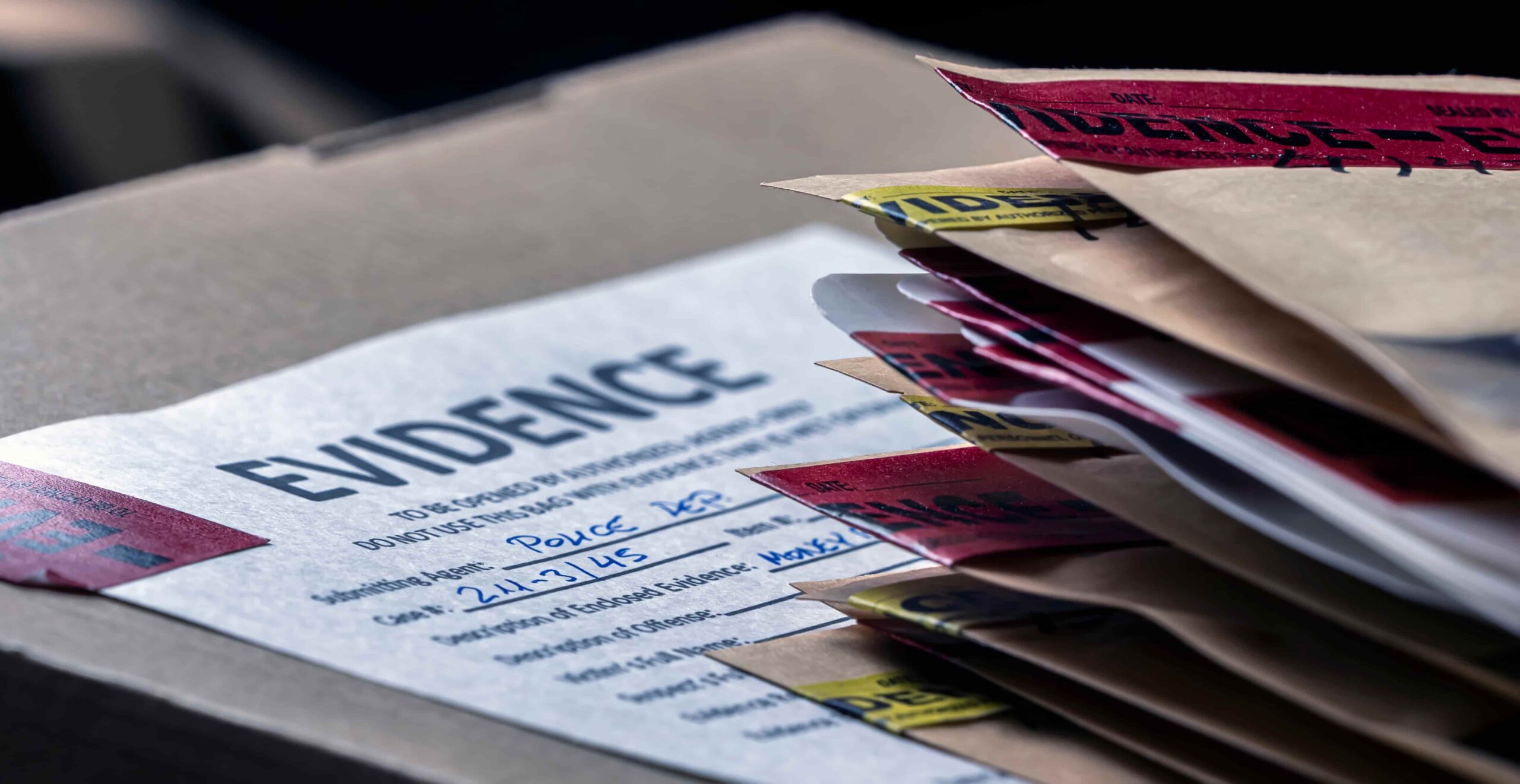
Strong evidence forms the foundation of any drunk driving civil case. The types of evidence available often overlap with criminal case evidence, though civil claims may also develop independent evidence through investigation.
Prompt action to preserve and gather evidence matters because some records have limited retention periods and memories fade over time.
Criminal Case Records and Documentation
Criminal proceedings generate substantial documentation that may be useful in civil cases. The following records from criminal cases commonly support civil drunk driving claims.
- Arrest reports detailing officer observations of impairment.
- Blood or breath alcohol test results and chain of custody records.
- Body camera and dashcam footage from law enforcement.
- Witness statements gathered during the criminal investigation.
- Court records, including plea agreements or conviction documents.
These records establish facts about intoxication that support both liability and exemplary damage claims.
Independent Evidence Development
Civil cases may also develop evidence beyond what criminal proceedings produce. Investigators may locate additional witnesses, obtain surveillance footage from businesses, or subpoena records the criminal case did not pursue.
Vehicle event data recorders may show speed and braking patterns that demonstrate reckless driving. Medical records from the defendant's blood draw may provide precise BAC data. Social media posts showing the defendant drinking before the crash sometimes become relevant evidence.
FAQ for Texas Drunk Driving Civil Claims
Does a criminal acquittal prevent a civil lawsuit?
A criminal acquittal does not bar a civil case because the standards differ. Criminal cases require proof beyond a reasonable doubt, while civil cases require only a preponderance of the evidence. Many civil cases succeed even when criminal charges result in acquittal or dismissal.
May I pursue a civil case while criminal charges are pending?
Civil and criminal cases may proceed simultaneously, though timing considerations sometimes affect strategy. Criminal cases often move faster and may produce evidence that is useful in the civil case. Some plaintiffs wait for criminal case resolution before aggressively pursuing civil discovery.
What if the drunk driver has no insurance or assets?
Limited insurance or assets affects collectability but does not necessarily prevent recovery. Underinsured motorist coverage on the victim's own policy may provide compensation. A bar or restaurant may be liable under Texas's Dram Shop Act if it served someone who was obviously intoxicated and that intoxication caused the crash. Texas generally does not treat private social hosts the same as licensed alcohol providers, though limited claims may exist when adults provide alcohol to minors, depending on the specific facts.
Are exemplary damages available in wrongful death cases?
Texas law permits exemplary damages in wrongful death cases when gross negligence caused the death. Surviving family members may pursue both compensatory and exemplary damages through wrongful death and survival claims. The same gross negligence standards apply.
How do juries decide exemplary damage amounts?
Texas law provides factors for juries to consider, including the nature of the wrong, the defendant's character, and the defendant's financial condition. Statutory caps may limit exemplary damage amounts in some cases. However, Texas law lists exceptions, and the cap may not apply when exemplary damages are based on certain felony conduct, including intoxication assault or intoxication manslaughter. Juries have discretion within these guidelines to determine appropriate amounts.
Accountability Beyond Criminal Charges
A drunk driving crash represents more than an accident. It reflects a choice that Texas law treats as especially blameworthy. Exemplary damages exist to address this reality by imposing consequences beyond mere compensation. For victims and families dealing with the aftermath of these crashes, civil accountability provides a path toward justice that criminal prosecution alone may not offer.
Cowen Law represents victims of drunk driving crashes throughout Texas who seek meaningful accountability. Our attorneys know how to fight for fair compensation while pursuing exemplary damages when the evidence supports them. Contact our team for a free consultation. We handle drunk driving accident cases on a contingency fee basis, meaning our attorney fees depend on recovering compensation for your injuries.
Call us at (210) 941-1306 for a free consultation or contact us below. No cost to you unless we win.