The discovery that a product meant for your child’s joy and development caused harm introduces a difficult reality about corporate responsibility. Product liability claims against toy companies involve complex issues of design, manufacturing, and marketing standards that manufacturers must follow.
You have options when a toy fails in its most basic duty: to be safe for a child. A product liability lawyer helps families challenge companies that place profits over the safety of vulnerable consumers.
Call us at (210) 941-1306 for a free consultation or contact us below. No cost to you unless we win.
Key Takeaways for Dangerous Toy Lawyer
- A toy can possess three primary types of defects: a flawed design, a manufacturing error, or a failure to provide adequate warnings about its risks.
- Preserving the toy in its current condition, along with any packaging and purchase receipts, can provide helpful evidence for your claim.
- A government or company-issued recall of a product does not automatically establish liability for your child’s specific injury.
- Product liability law often uses a standard of strict liability, which means you may not need to prove the company was negligent, only that the toy was defective when it left their control and caused harm.
- Multiple entities in the chain of commerce, from manufacturers to distributors, may bear responsibility for the injury.
The Hidden Dangers in Your Child's Toybox
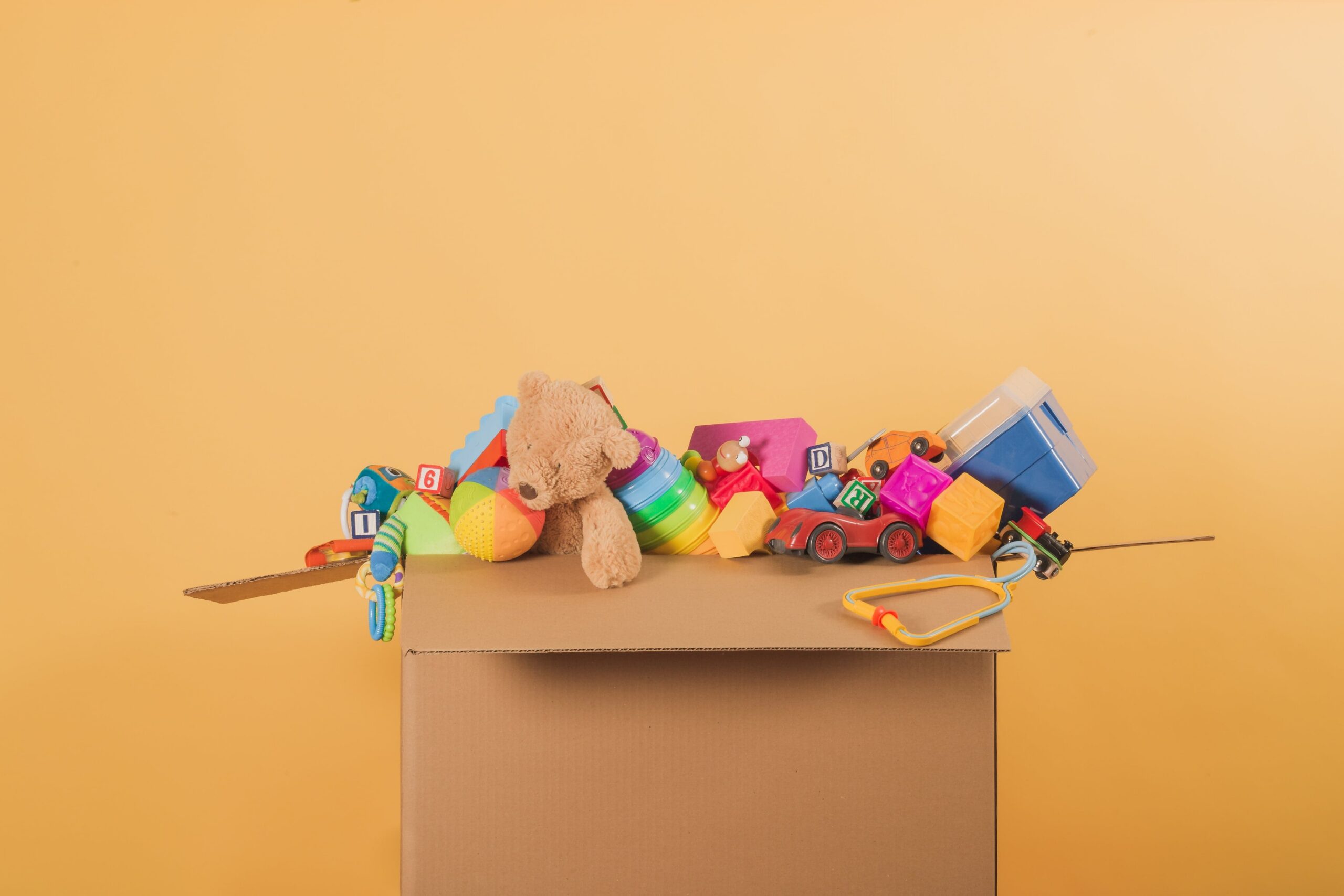
Parents go to great lengths to create a safe environment for their children. They check safety ratings and read reviews before purchasing toys. Yet, unseen dangers can still lurk in products that appear harmless on the shelf.
These dangers often stem from a company's decisions during the design and manufacturing phases. A failure to anticipate how a child realistically interacts with a toy can lead to preventable injuries.
The complexity of modern supply chains also introduces multiple points where safety can be compromised.
Choking Hazards and Flawed Designs
Toys with small parts present a well-known choking risk for young children. Regulations ban certain small-part choking hazards in toys intended for children under 3 but companies sometimes fail to comply.
Beyond small parts, a flawed design can cause a toy to break apart during normal play, creating sharp edges or small, ingestible pieces where none existed before. This type of defect speaks to a fundamental failure in the product’s blueprint.
The toy may have been unsafe from the moment it was conceived on paper. A legal claim focusing on a design defect argues that a safer, alternative design was not only possible but also economically feasible.
Toxic Materials and Chemical Exposure
You can't see or smell the most insidious dangers. Certain toys, especially those manufactured with cheaper plastics or paints, can contain hazardous chemicals like lead, phthalates, or cadmium. These substances can cause serious, long-term health problems in developing children.
Federal laws regulate the use of these toxins in unsafe children's products. When a company violates these standards, it exposes children to unacceptable risks.
A dangerous toy lawyer can use scientific testing to identify harmful substances and connect them to the responsible manufacturer.
Electrical and Fire Risks
Electronic toys are popular, but they also introduce the potential for burns, shocks, and even fires. Defective wiring, poorly designed battery compartments, or faulty chargers can cause a toy to overheat and ignite. These risks aren’t always obvious during a visual inspection.
A product with an electrical defect may pose a threat not only to the child playing with it but also to your entire family and home. Investigating these claims requires an analysis of the product's electrical engineering and manufacturing quality control.
Establishing Liability for a Defective Toy
Holding a company responsible for a dangerous toy relies on the principles of product liability law. This area of law sets standards for companies that create and sell goods. A company has a legal duty to sell products that are reasonably safe when used as intended or in a foreseeable manner.
When a toy injures a child, a legal claim investigates the point at which the company failed its duty. The claim identifies a specific defect that made the toy unreasonably dangerous; proving this link between the defect and the injury is the foundation of the case.
Here are the primary categories of product defects:
- Design Defects: The problem originates in the toy's original plans. In these cases, the entire product line is potentially unsafe because the design itself creates a hazard, and a reasonable, safer alternative exists.
- Manufacturing Defects: The design was safe, but an error occurred during the production or assembly process. This mistake makes one specific toy or a single batch of toys dangerous, while others from the same line are safe.
- Marketing Defects: Although the toy is designed and manufactured properly, the company failed to provide adequate warnings or instructions. This often includes not placing clear age recommendations or choking hazard labels on the packaging.
The Role of Recalls in a Toy Recall Lawsuit
Many people believe a recall is the final word on a product's danger. While important, it’s just one piece of a toy recall lawsuit. A recall notice can serve as strong evidence that a product is defective.
However, a company's admission of a defect doesn’t automatically make it responsible for your child’s injury. The company’s lawyers may argue that your child's specific toy wasn’t part of the defective batch. They may also claim the injury resulted from something other than the stated defect.
Your attorney's job is to connect the specific reason for the recall to the specific injury your child suffered. A legal team builds a case that goes beyond the recall notice itself. It uses the notice as a starting point to demonstrate how the company’s failure led to tangible harm.
Protecting Your Defective Toy Claim
After a defective toy harms your child, certain actions can help protect your family’s legal options. These steps help preserve crucial evidence your legal team can use to build a strong claim. While your focus is on your child’s health, these considerations are important for seeking accountability.
Here’s how you can safeguard your potential case:
- Preserve the Evidence: A lawyer needs the actual toy to have it examined for defects. Don’t throw the toy away, and if possible, keep all original packaging, instructions, and receipts from retailers, whether from a large store or a small shop.
- Document Everything: Maintain a file of all medical records, reports, and bills related to the injury. Take clear photos of the injury and the toy itself from multiple angles. A written journal detailing your child’s recovery and its impact on their life also provides valuable information.
- Avoid Public Statements: Refrain from discussing the incident on social media platforms or in public forums. Insurance adjusters and corporate lawyers can use any statements you make to challenge your claim.
- Decline Direct Offers: The toy company or its insurer may contact you with a quick settlement offer. Direct them to your attorney without making any statements or agreements, as these initial offers are often far less than what is needed.
How a Dangerous Toy Lawyer Helps Your Claim
A dangerous toy lawyer provides critical support and direction when you decide to hold a corporation accountable. These claims are very different from other types of injury cases and often require technical analysis and an understanding of corporate structures and product development cycles.
An attorney can manage the complex demands of a defective product case so you can focus on your child.
Here is how a lawyer assists with your case:
- Investigating the Defect: Legal teams frequently collaborate with product safety professionals and engineers who can analyze the toy and identify the precise design or manufacturing flaw that led to the injury and prepare reports to support your claim.
- Identifying All Liable Parties: Your attorney investigates the toy’s entire supply chain to determine who is at fault. Liability might extend from the original designer and manufacturer to the importer or distributor.
- Managing All Communications: Your lawyer becomes the sole point of contact for the company’s representatives and their insurance providers. This action shields your family from the pressure and tactics that corporate legal teams sometimes use.
- Building Your Case: Your dangerous toy lawyer compiles all the necessary documentation to build a comprehensive claim. This work includes gathering medical evidence, expert testimony, proof of the defect, and an accounting of the full impact the injury has had on your child and family.
- Negotiating With the Opposition: Your attorney manages settlement negotiations with the toy company and its powerful insurers, aiming for a resolution that covers medical bills, future care, and your child’s pain and suffering.
- Representing You in Court: If a settlement cannot be reached, your lawyer can take the case to trial. They present the evidence, argue on your behalf, and advocate for your child’s interests before a judge and jury.
FAQ for Dangerous Toy Lawyer
How Long Do I Have To File a Claim for a Child Injury Defective Product?
In Texas, you generally have two years from the date of the injury to file a claim, but the law sometimes includes exceptions, particularly for injuries to minors, which can pause the deadline until the child turns 18.
Failing to file within the correct timeframe can prevent you from ever seeking accountability, making a prompt legal consultation important.
What if the Toy Was a Gift?
It usually doesn’t matter if your family purchased the toy or received it as a gift. Product liability law protects not only the original buyer but also the people who use a product. Your child’s right to a safe product remains the same regardless of who made the purchase.
Can We Pursue a Claim if Our Child Misused the Toy and Suffered an Injury?
This depends on whether the misuse was foreseeable to the manufacturer. Toy companies must anticipate that children may not always use a toy exactly as instructed. If a child's action was a reasonably foreseeable type of misuse, the company may still be held liable for the resulting injury.
Why Do I Need a Dangerous Toy Lawyer?
Large toy manufacturers have teams of attorneys dedicated to defending them against claims. A dangerous toy lawyer acts as your advocate against these powerful legal teams and their corporate resources.
An attorney also has access to product safety professionals and engineers who can analyze a defective product and provide crucial testimony for your case. Your legal counsel manages the investigation and all communications so you can concentrate on your child's well-being.
Does a Toy Recall Automatically Mean We Have a Case?
A recall notice can be very helpful evidence, but it doesn't automatically mean you have a successful case. You still must prove that the specific defect named in the recall caused your child's specific injury.
A dangerous toy lawyer uses the recall as a building block within a much larger, more detailed legal argument.
Take Action To Protect Your Family
When a toy company’s negligence harms your child, you have the right to seek justice and accountability. Pursuing a legal claim can secure the resources necessary for your child's recovery and can also pressure manufacturers to improve their safety standards, protecting other children from similar harm. The legal team at Cowen Law provides the guidance families in Texas need during these challenging times. We stand ready to evaluate your situation and explain your options. Contact our office today to discuss your case.
Call us at (210) 941-1306 for a free consultation or contact us below. No cost to you unless we win.