A truck collision can become far more destructive when fuel, electrical components, tires, or cargo ignite. Fire can trap people inside damaged vehicles and turn a serious crash into a life-changing event.
Cowen | Rodriguez | Peacock investigates both stages of the incident: why the vehicles collided and why the fire started or spread. We preserve the tractor, trailer, cargo records, electronic data, damaged components, and company files before the carrier repairs or disposes of the evidence.
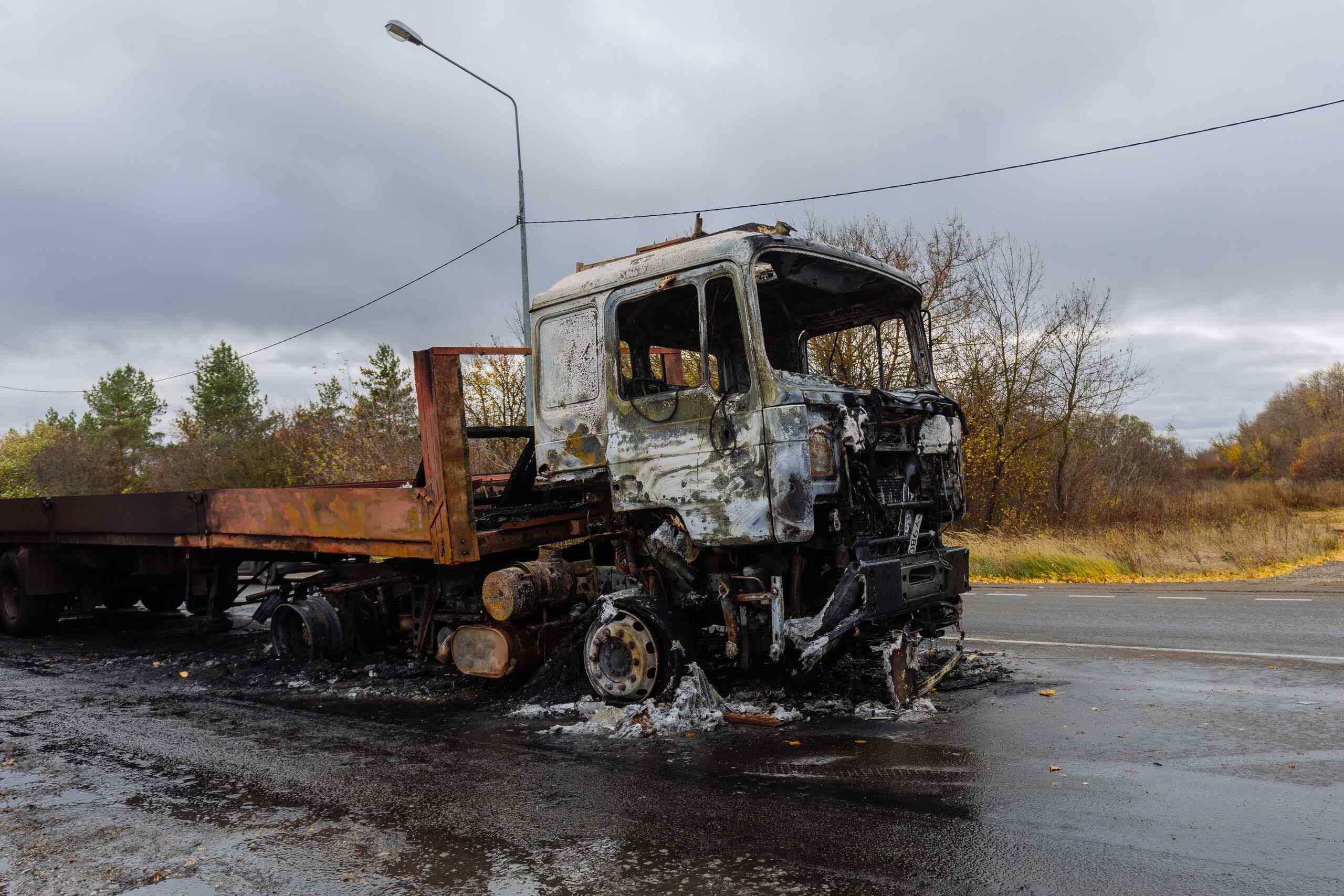
When a Collision Becomes a Fire Case
- A truck fire claim requires proof of the crash cause and the ignition source.
- Liability can reach beyond the driver to the carrier, repair shop, shipper, loader, equipment owner, or manufacturer.
- The burned vehicles and truck components must be preserved before cleanup or salvage changes them.
- Compensation can include future care, lost earning capacity, impairment, disfigurement, pain, and mental anguish.
- Texas generally allows two years to file suit, but important evidence can disappear within days.
Who can be liable for burn injuries caused by a Texas truck fire?
The truck driver, motor carrier, maintenance contractor, cargo company, equipment owner, or manufacturer can be liable when unsafe driving, defective equipment, poor maintenance, or dangerous cargo practices cause a truck fire and resulting injuries.
How Do Truck Fires Start After a Crash?
Truck fires can begin with collision damage, defective equipment, poor maintenance, or dangerous cargo. Investigators must identify the ignition source and who controlled the condition.
Fuel, Electrical, Brake, and Tire Failures
A collision can rupture a fuel tank, line, valve, or connection. Damaged wiring, batteries, or electrical equipment can create heat or sparks near combustible material. Brake, wheel, bearing, and tire problems can also generate dangerous heat before or after impact.
The carrier may call the fire unavoidable. Earlier inspections, repair work, diagnostic warnings, and remaining components can reveal corrosion, improper repairs, or ignored defects that existed before the collision.
Tanker and Hazardous-Cargo Fires
A tanker or trailer carrying flammable material creates additional risks when a tank, valve, fitting, package, or container is damaged. Other cargo can feed a fire even when it is not classified as hazardous.
The FMCSA hazardous-materials compliance guidance describes carrier and shipper responsibilities involving packaging, hazard communication, training, loading, securement, and emergency-response information. Those records can show what was transported, who prepared it, and whether the shipment complied with applicable requirements.
The same incident may involve driver error, maintenance failures, cargo problems, and defective equipment. Stopping at the first apparent cause can leave responsible companies out of the case.
Who Can Be Liable for a Texas Truck Fire?
Liability can reach every party whose conduct caused the collision, started the fire, or increased the harm. Commercial transportation involves several businesses with separate safety duties.
| Potentially Responsible Party | Conduct That Can Create Liability | Evidence We Examine |
| Truck driver | Speeding, distraction, fatigue, unsafe stopping, or ignoring warnings | Electronic logs, truck data, video, phone records, and statements |
| Motor carrier | Unsafe hiring, scheduling, inspection, maintenance, or safety practices | Driver files, policies, work orders, audits, and communications |
| Maintenance contractor | Improper repair or missed fuel, electrical, brake, or wheel defects | Invoices, technician records, parts, photographs, and procedures |
| Shipper or loader | Unsafe packaging, loading, securement, labeling, or documentation | Manifests, bills of lading, training records, weight tickets, and video |
| Equipment owner or manufacturer | Unsafe equipment or a defective tank, valve, tire, battery, or component | Ownership files, inspections, recalls, testing, and physical evidence |
The Driver and Motor Carrier
A driver can cause a fire-related crash by speeding, following too closely, driving while fatigued, or continuing after smoke, odor, warning lights, or visible mechanical trouble appears.
The carrier selects drivers, schedules trips, reviews inspections, maintains equipment, and decides whether a truck remains in service. Delayed repairs or pressure to continue with a known defect can create direct company liability.
Repair, Cargo, and Product Companies
A repair shop can share liability when poor work creates a leak, electrical fault, or brake problem. A shipper, loader, or cargo owner can be responsible when unsafe handling contributes to a release or fire.
A product claim can arise when a defective tank, valve, fuel component, battery, tire, or other part fails during reasonably expected use. The physical evidence must be preserved before repairs, cutting, cleaning, or disposal makes it impossible to determine why the component failed.
The investigation should identify who controlled each danger before the crash. That prevents responsible businesses from shifting the loss onto the injured person.
What Compensation Is Available for Truck Fire Injuries?
A Texas truck fire claim can include every financial and personal loss caused by the event. Its value depends on future needs, work, permanent limitations, fault evidence, and available insurance.
Financial Losses and Future Needs
Economic damages can include past treatment, supported future care, rehabilitation, equipment, transportation, lost wages, reduced earning capacity, household assistance, and accessibility changes.
The Texas Civil Practice and Remedies Code Chapter 41 defines economic, noneconomic, and future damages for claims governed by that chapter. It recognizes losses that continue after judgment, including future medical expenses and future loss of earnings.
Lost wages and lost earning capacity are not the same. A person may return to work and still lose overtime, promotions, physical duties, or access to a former trade.
Pain, Impairment, and Disfigurement
A truck fire can cause losses that no invoice captures. Texas claims can seek compensation for physical pain, mental anguish, physical impairment, and disfigurement when the evidence supports those damages.
The case should show specific changes in mobility, independence, family responsibilities, work, and daily life. Photographs, records, and witness testimony can make those losses concrete.
A fair valuation must look forward. An offer based only on current bills ignores future care, reduced earning power, permanent changes in appearance, and the added effort required to manage everyday life.
What Evidence Proves How the Truck Fire Started?
Firefighting, towing, cleanup, and salvage can alter truck fire evidence. The vehicles, cargo, and damaged parts should be treated as evidence, not ordinary wreckage.
Physical Evidence From the Truck and Scene
A preservation demand should cover:
- The tractor, trailer, and damaged passenger vehicles
- Fuel tanks, lines, valves, caps, batteries, and wiring
- Brake, wheel, bearing, and tire components
- Cargo containers, packaging, placards, and residue
- Photographs taken during firefighting, towing, and recovery
- Parts removed during inspection or repair
- Tow-yard, salvage, and storage records
Cutting, cleaning, moving, or discarding a component can destroy evidence showing where the fire began and spread.
Electronic and Company Records
Engine data, event records, electronic logs, telematics, and camera footage can show speed, braking, warnings, location, and driver response. Maintenance files, dispatch messages, and cargo records can reveal prior defects, delayed repairs, loading instructions, and company knowledge.
The FMCSA guidance on commercial-vehicle fires and explosions explains that a qualifying fire or explosion can meet the federal definition of an accident when it causes a death, immediate medical transport, or disabling damage requiring a tow. That classification can help identify carrier records that should exist.
Witnesses may have seen smoke before impact, flames beneath the truck, or leaking liquid. Their accounts can support fire-origin evidence and crash reconstruction.
How Do Shared Fault and Exemplary Damages Affect the Claim?
Texas can divide responsibility among the driver, carrier, repair company, cargo business, manufacturer, another motorist, and the injured claimant. One party may cause the impact while another bears responsibility for the fire or its severity.
The Texas proportionate-responsibility statute generally allows recovery when the claimant is 50 percent or less responsible, with compensation reduced by the assigned percentage. A claimant found more than 50 percent responsible generally cannot recover.
A carrier may blame a product defect, while a manufacturer blames maintenance and a cargo company blames the impact. Each has a financial reason to shift fault.
Exemplary damages may also be available when clear and convincing evidence proves fraud, malice, or gross negligence. Evidence can matter when a company knowingly keeps a truck with a serious fuel leak in service, ignores repeated fire warnings, conceals unsafe cargo practices, or orders a driver to continue despite an extreme and known danger.
Shared fault does not excuse any company from its own decisions. The evidence must connect each defendant to the collision, ignition, spread, or harm.
What Should Families Protect in the Days and Weeks After the Fire?
The days and weeks after the crash should focus on preserving evidence and documenting losses. The carrier may already control access to the burned equipment.
Consider keeping:
- Photographs and videos from any source
- Witness names and contact information
- Medical, employment, and wage records
- Towing, storage, and vehicle documents
- Insurance letters and emails
- The carrier’s name and truck identification
- Notes about smoke, flames, odors, or leaking material
- Information about cargo placards or markings
Do not authorize disposal of a damaged vehicle or recovered component before the evidence is evaluated. A total-loss payment does not require the destruction of evidence that may prove the claim.
Early preservation prevents the carrier’s explanation from becoming the only surviving version of how the fire began.
How Long Do You Have to File a Texas Truck Fire Lawsuit?
Texas generally gives an injured person two years to file a personal injury lawsuit. Exceptions and shorter notice requirements can apply, while truck components, video, electronic files, and fire evidence can disappear much earlier.
Texas Civil Practice and Remedies Code Section 16.003 establishes the general two-year period for personal injury claims and actions involving injury resulting in death.
The filing period does not preserve burned vehicles, cargo residue, video, telematics, maintenance files, messages, witnesses, or removed parts. A timely lawsuit can still be weakened if that evidence disappears.
The legal deadline matters, but the evidence deadline arrives first. An independent investigation should begin while the truck, scene records, and electronic data still exist.

Texas Truck Fire and Burn Injury Questions Answered by Our Attorneys
Can I sue if the truck caught fire before the collision?
Yes. A fire caused by defective equipment, negligent maintenance, unsafe cargo, or another preventable condition can cause the driver to lose control. The investigation must identify the origin of the fire and the company that controlled the danger.
Is the trucking company liable for cargo that catches fire?
It can be, but liability depends on who selected, packaged, loaded, secured, documented, and transported the cargo. The shipper, loader, carrier, and other companies may share responsibility when separate failures contribute to the fire.
What if a defective truck part caused the flames?
A manufacturer, seller, repair shop, or equipment owner can face liability when a defective component causes or increases the fire. The part and surrounding systems must be preserved before repairs or disposal change the evidence.
Is there an average settlement for a truck fire injury?
No reliable average can value an individual claim. The result depends on future care, earning losses, impairment, disfigurement, pain, fault, insurance coverage, and the conduct of every responsible company.
A Fire Should Not Erase the Evidence
A carrier may describe a truck fire as an unavoidable consequence of impact. That explanation must be tested against the fuel system, electrical components, maintenance history, cargo records, electronic data, and decisions made before the truck entered the road.
Cowen | Rodriguez | Peacock, The Trucking Trial Lawyers, investigates the collision and the fire as one trial-ready case. Clients speak directly with an attorney, and we pursue every company whose conduct contributed to the harm.
Call Cowen | Rodriguez | Peacock at (210) 941-1301 for a free consultation. We are available 24/7, and there is No Cost to You unless we win.