A trucking company accident investigation typically begins within hours of a serious crash, often before injured victims even leave the hospital. Major carriers maintain rapid response teams, sometimes called "go-teams," that deploy immediately after catastrophic collisions on highways like I-10 and I-35. These teams arrive at crash scenes in San Antonio and throughout Texas with a clear mission: protect the company's interests.
This response is not illegal or unethical. Trucking companies have every right to investigate crashes that involve their vehicles and drivers. The problem arises when injured families have no equivalent response on their side. While company investigators photograph the scene, interview witnesses, and secure electronic data, many crash victims remain unaware that critical evidence is being shaped before they ever speak with a truck accident attorney.
Call us at (210) 941-1306 for a free consultation or contact us below. No cost to you unless we win.
Key Takeaways for Trucking Company Accident Investigations
- Major trucking companies often deploy investigation teams within hours of a serious crash, sometimes arriving before vehicles are towed or key evidence is cleared.
- These rapid response teams typically include investigators, defense attorneys, and sometimes accident reconstruction professionals who document the scene from the company's perspective.
- Federal regulations, including 49 CFR § 395.8, require trucking companies to maintain driver logs and supporting documents for specific retention periods, but some electronic data may be overwritten through routine systems unless a preservation demand is made.
- Texas follows a two-year statute of limitations for personal injury claims under Texas Civil Practice and Remedies Code Section 16.003, but evidence often disappears long before that deadline.
- Early legal involvement may help preserve evidence and create a more balanced investigation process.
What Trucking Companies Do Immediately After a Crash

The trucking industry operates under federal regulations that create significant liability exposure after serious crashes. Companies understand that the first hours after a collision often determine how fault is assigned and defended. Their response reflects this understanding.
The Rapid Response Team Model
Large trucking companies and their insurers maintain teams that activate immediately after crashes that cause serious injuries or fatalities. These teams often include company safety managers, insurance adjusters, defense attorneys, and private investigators. Some companies contract with firms that provide this service around the clock.
The team's first priority involves reaching the crash scene while physical evidence remains intact. They photograph vehicle positions, road conditions, and damage patterns. They identify and interview witnesses before memories fade or people become difficult to locate.
Defense Attorneys at the Scene
In serious crashes, defense attorneys sometimes arrive at the scene alongside investigators. This practice serves a strategic purpose: some communications between investigators and attorneys may receive attorney-client or work-product protection, depending on their purpose and how they are documented. This protection may limit what information must later be produced in litigation, depending on how courts evaluate the communications.
The presence of defense counsel signals that the company views the crash as a significant liability exposure. It also means the company is building its defense from the very first moments, while injured victims often remain focused on medical treatment and family concerns.
Evidence That Trucking Companies Prioritize
Trucking company investigation teams focus on specific types of evidence that may influence liability determinations. They understand what records exist, where to find them, and how quickly some data may disappear.
Electronic Data From the Truck
Modern commercial trucks contain Electronic Control Modules (ECMs), often called the truck's black box, that record detailed information about vehicle operation. ECM data may include speed at the time of impact, brake application, engine RPMs, and whether cruise control was engaged. This data provides an objective record of the truck's behavior in the moments before a crash.
ECM data does not preserve itself indefinitely. Depending on the system, this information may be overwritten after a certain number of engine hours or ignition cycles. Trucking companies know to download this data immediately. Without a preservation demand, companies may allow data to be overwritten through routine practices, unless they already reasonably anticipated litigation and therefore had a duty to preserve it.
Driver Logs and Hours-of-Service Records
Federal regulations require commercial truck drivers to maintain records of their duty status through Electronic Logging Devices (ELDs). These records show when the driver was on duty, driving, or resting. Hours-of-service violations may establish that driver fatigue contributed to a crash.
The following types of evidence often receive immediate attention from trucking company investigators:
- Electronic Control Module data that shows the truck's speed, braking, and engine activity
- Electronic Logging Device records that document the driver's hours and duty status
- GPS and dispatch records that reveal the truck's route and timing
- Driver qualification files that show training, medical certification, and driving history
- Maintenance records that document the truck's mechanical condition
Each piece of evidence may influence how fault is assigned after a crash.
Witness Statements and Scene Documentation
Trucking company investigators actively seek witnesses at crash scenes and in surrounding areas. They take recorded statements, collect contact information, and document what people observed. These statements become part of the company's file and may be used to support their version of events.
The company's photographers document the scene extensively. They capture vehicle positions, road conditions, traffic signals, and any factors that might support a defense. This documentation creates a visual record that the company controls.
Why Timing Matters in Trucking Crash Investigations
The hours and days immediately following a serious truck crash represent a critical window for evidence preservation. While trucking companies act within this window, many injured families remain unaware of what is happening.
Evidence That Disappears Quickly
Some evidence has a short lifespan after a crash. Surveillance footage from nearby businesses may be recorded over within days. Witness memories begin fading immediately. Physical evidence at the scene gets cleared for traffic flow. The truck itself may be repaired, sold, or scrapped if no one demands its preservation.
ECM and ELD data face particular risk. Without a formal preservation letter, trucking companies may allow data to be overwritten through routine practices. By the time an injured person hires an attorney weeks later, the electronic record of the crash may no longer exist.
The Asymmetry Problem
Trucking companies prepare for crash investigations before any crash occurs. They have protocols, personnel, and resources ready to deploy. Injured victims, by contrast, are experiencing a crash for the first time. They have no equivalent preparation, no team on standby, and often no understanding of what evidence exists or how quickly it may vanish.
This timing asymmetry creates an uneven playing field. The company builds its case immediately while the injured party focuses on survival and recovery. Weeks or months later, when the victim is ready to pursue a claim, key evidence may already be gone or shaped by the company's early investigation.
How Spoliation Affects Trucking Accident Claims
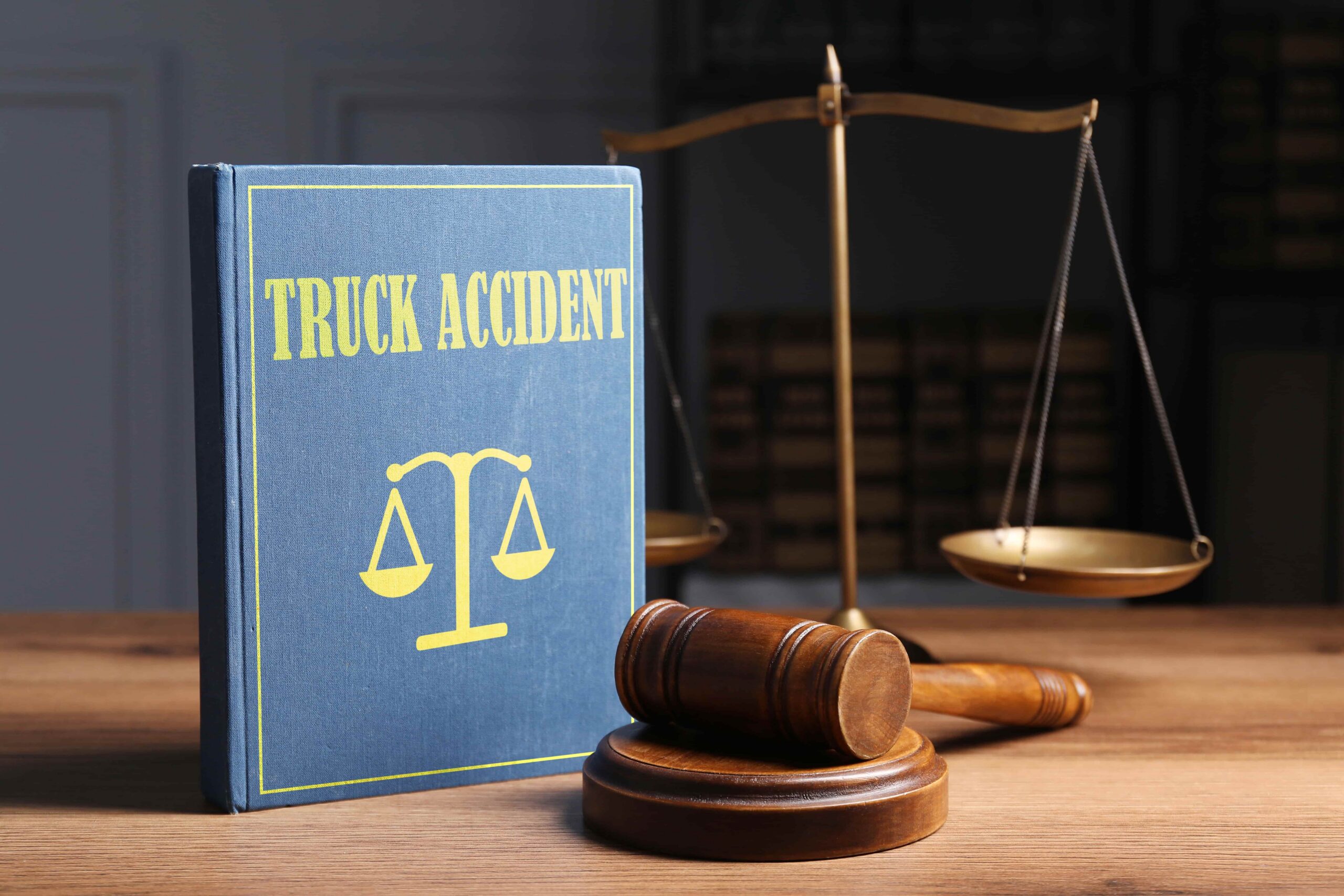
Spoliation refers to the destruction or alteration of evidence that may be relevant to litigation. In trucking cases, spoliation concerns arise when companies fail to preserve electronic data, maintenance records, or other documentation after a crash.
Preservation Obligations and Letters
Once a trucking company reasonably anticipates litigation, it has a legal duty to preserve relevant evidence. A preservation letter, sometimes called a spoliation letter, formally notifies the company of this obligation. The letter identifies specific categories of evidence that must be retained.
Attorneys who handle trucking cases typically send preservation letters within days of a crash. These letters demand that the company preserve ECM data, ELD records, driver qualification files, maintenance logs, and other relevant documentation. Without this letter, the company may claim it had no reason to preserve evidence beyond its normal retention practices.
Consequences of Evidence Destruction
When evidence is destroyed after a preservation obligation arises, courts may impose sanctions. These sanctions might include:
- Adverse inference instructions that allow juries to assume the destroyed evidence was unfavorable to the company
- Monetary penalties against the party that failed to preserve evidence
- Exclusion of the company's experts who cannot be effectively challenged without the missing evidence
- In rare and extreme cases involving intentional or egregious misconduct, courts may impose severe sanctions, including case-ending remedies
These consequences recognize that evidence destruction undermines the fairness of litigation. However, sanctions require showing that the company had a duty to preserve and either intentionally or negligently failed to do so.
What an Early Legal Response Accomplishes
When injured families engage an attorney quickly after a trucking crash, it changes the investigation dynamics. The company is no longer the only party actively building a case.
Leveling the Evidentiary Playing Field
An attorney who handles trucking cases understands what evidence exists and how to preserve it. They send preservation letters immediately, demanding that the company retain all relevant data. They may hire independent investigators to document the scene, locate witnesses, and photograph evidence.
This parallel investigation creates a more complete factual record. Rather than relying solely on what the trucking company documented, injured families have their own evidence collection. Discrepancies between the two investigations may reveal important information about what actually happened.
Accessing Federal Safety Records
Trucking companies operate under Federal Motor Carrier Safety Administration regulations that create extensive documentation requirements. Driver qualification files, drug and alcohol testing records, vehicle inspection reports, and company safety ratings all become potentially relevant after a crash.
An attorney may obtain some records through FMCSA public databases, while others require formal discovery or subpoenas. The company's safety history may reveal patterns of violations that support claims of negligent hiring, training, or supervision. These records exist regardless of the company's investigation, but accessing them requires knowledge of where to look.
The Difference Between Car Crashes and Trucking Cases
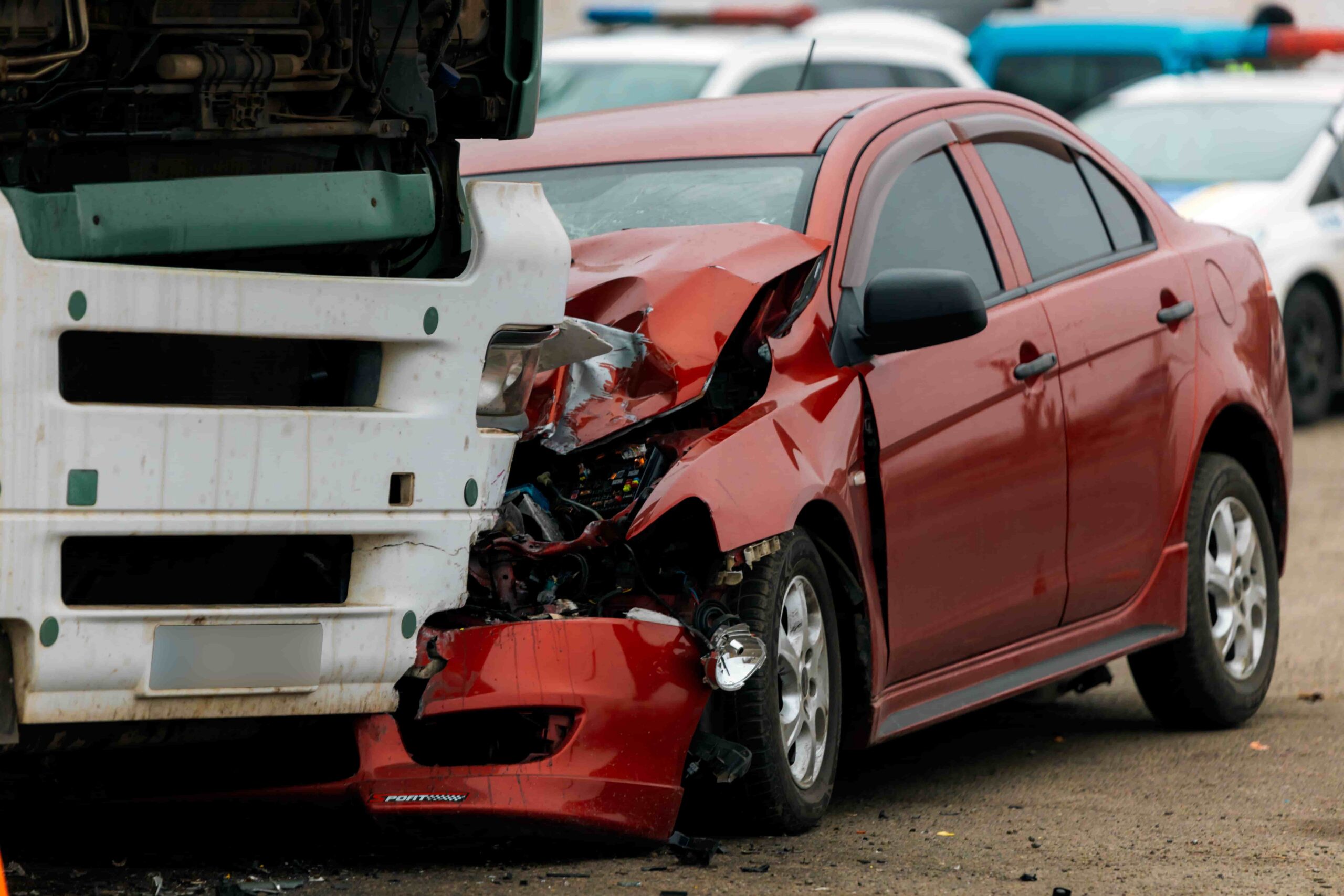
Trucking accident investigations differ fundamentally from typical car crash claims. The regulatory framework, evidence sources, and defense resources all operate at a different scale.
Federal Regulatory Overlay
Car accidents involve state traffic laws and driver negligence. Trucking accidents add a layer of federal regulations that govern nearly every aspect of commercial trucking operations. Hours-of-service rules, driver qualification requirements, vehicle maintenance standards, and cargo securement regulations all create potential sources of liability.
Violations of these federal regulations may serve as strong evidence of negligence under Texas law. But identifying violations requires understanding what the regulations require and what records document compliance or failure.
Multiple Potential Defendants
A car crash typically involves individual drivers and their insurance policies. A trucking crash may involve the driver, the trucking company, the vehicle owner, the cargo loader, the maintenance provider, and the freight broker. Each party may bear some responsibility for the crash.
Identifying all responsible parties requires an investigation that goes beyond the crash scene. Corporate structures, contractual relationships, and insurance arrangements all affect who may be liable and what coverage is available to compensate injured families.
FAQ for Trucking Company Accident Investigations
What if the trucking company contacts me directly after a crash?
Trucking companies and their insurers sometimes contact injured parties soon after a crash. These contacts may seem helpful, but representatives are gathering information for the company's benefit. Anything you say may be used to limit the company's liability. Speaking with an attorney before providing statements to the company protects your interests.
Do trucking companies ever tamper with evidence?
Intentional evidence tampering is illegal and relatively rare. More commonly, evidence disappears through routine business practices when no one demands its preservation. Electronic data gets overwritten, trucks get repaired, and records reach the end of their retention periods. Early preservation demands help prevent these losses.
What is the difference between the company's investigation and the police investigation?
Police investigate crashes to determine whether criminal violations occurred and to document facts for their reports. Trucking company investigations focus on civil liability and defense strategy. The company's investigators work for the company's benefit, not for an objective determination of fault. Police reports provide useful information but do not typically include the detailed evidence that trucking litigation requires.
What if I already gave a statement to the trucking company's investigator?
Statements given to company investigators become part of their file, but they do not necessarily determine your claim's outcome. An attorney may help explain any statements you made and place them in their full context. The statement is one piece of evidence among many, and other evidence may support a different understanding of what happened.
Do all trucking companies send rapid response teams?
Large carriers and those with significant insurance coverage typically maintain rapid response capabilities. Smaller operations may rely on their insurers to manage crash investigations. Regardless of the company's size, insurers generally begin their investigations quickly after serious crashes. The resources deployed depend on the severity of the crash and the potential liability exposure.
The Clock Started Before You Knew It
A trucking company accident investigation begins the moment the company learns of a serious crash. Their team mobilizes while you are still processing what happened. This head start does not mean your claim is lost, but it does mean that timing matters.
Cowen Law represents families throughout San Antonio and across Texas in trucking crash cases. Our attorneys understand how trucking companies investigate crashes because we have spent years building cases against them. We handle these cases on a contingency fee basis, which means families pay nothing unless we recover compensation on their behalf. If a trucking company is already investigating your crash, a conversation with our team may help you understand your options and begin to level the playing field.
Call us at (210) 941-1306 for a free consultation or contact us below. No cost to you unless we win.