An improper cargo loading accident in Texas involves more than just driver error. When a semi-truck rolls over on I-10, jackknifes on I-35, or spills cargo across a San Antonio highway, the root cause may trace back to how the load was secured before the truck ever left the warehouse. Federal regulations exist specifically because cargo that shifts, falls, or exceeds weight limits creates catastrophic dangers for everyone on the road.
Many people assume the truck driver bears sole responsibility for any crash involving their vehicle. That assumption overlooks a critical reality: drivers often have no control over how their cargo is loaded. Third-party warehouses, shipping companies, and dock workers frequently handle the loading process. When these parties cut corners or ignore proper securement practices, the resulting crashes may injure families who have no idea that multiple parties may share liability for their losses.
Call us at (210) 941-1306 for a free consultation or contact us below. No cost to you unless we win.
Key Takeaways for Improper Cargo Loading Accidents
- Federal cargo securement standards under 49 CFR Part 393 establish specific requirements for how cargo must be secured, including tiedown strength and placement.
- Texas follows a two-year statute of limitations for personal injury claims under Texas Civil Practice and Remedies Code Section 16.003, making early investigation of loading practices essential.
- Liability for cargo-related crashes may extend beyond the driver to include the trucking company, the shipper, and the third-party company that loaded the trailer.
- Overweight trucks require longer stopping distances and face increased rollover risk, particularly on curved highway ramps and during emergency maneuvers.
- Evidence of loading violations may exist in bills of lading, weight tickets, and warehouse records that must be preserved quickly after a crash.
How Improper Cargo Loading Causes Serious Crashes
The physics of commercial trucking make cargo loading a life-or-death matter. A fully loaded semi-truck may weigh up to 80,000 pounds, and that weight must be distributed correctly for the vehicle to handle safely. When loading crews fail to follow proper procedures, the results can be catastrophic.
Cargo Shift and Loss of Vehicle Control
Cargo that moves during transit changes the truck's center of gravity. This shift may occur suddenly during braking, lane changes, or turns. When a 40,000-pound load slides to one side of a trailer, even an experienced driver may lose control of the vehicle.
The consequences of cargo shift may include jackknife accidents, where the trailer swings around toward the cab, and rollover crashes that send the truck across multiple lanes of traffic. On Texas highways with high speed limits, these crashes frequently involve multiple vehicles and catastrophic injuries.
Overweight Loads and Stopping Distance
Federal and state regulations limit truck weights for safety reasons. An overweight truck requires significantly more distance to stop than a properly loaded vehicle. This extended stopping distance may mean the difference between a close call and a fatal rear-end collision.
Overweight trucks also place excessive stress on braking systems, tires, and suspension components. These mechanical systems are designed for loads within legal limits. When trucks exceed those limits, equipment failures become more likely, particularly during the demanding conditions of Texas summer heat.
Federal Regulations That Govern Cargo Securement
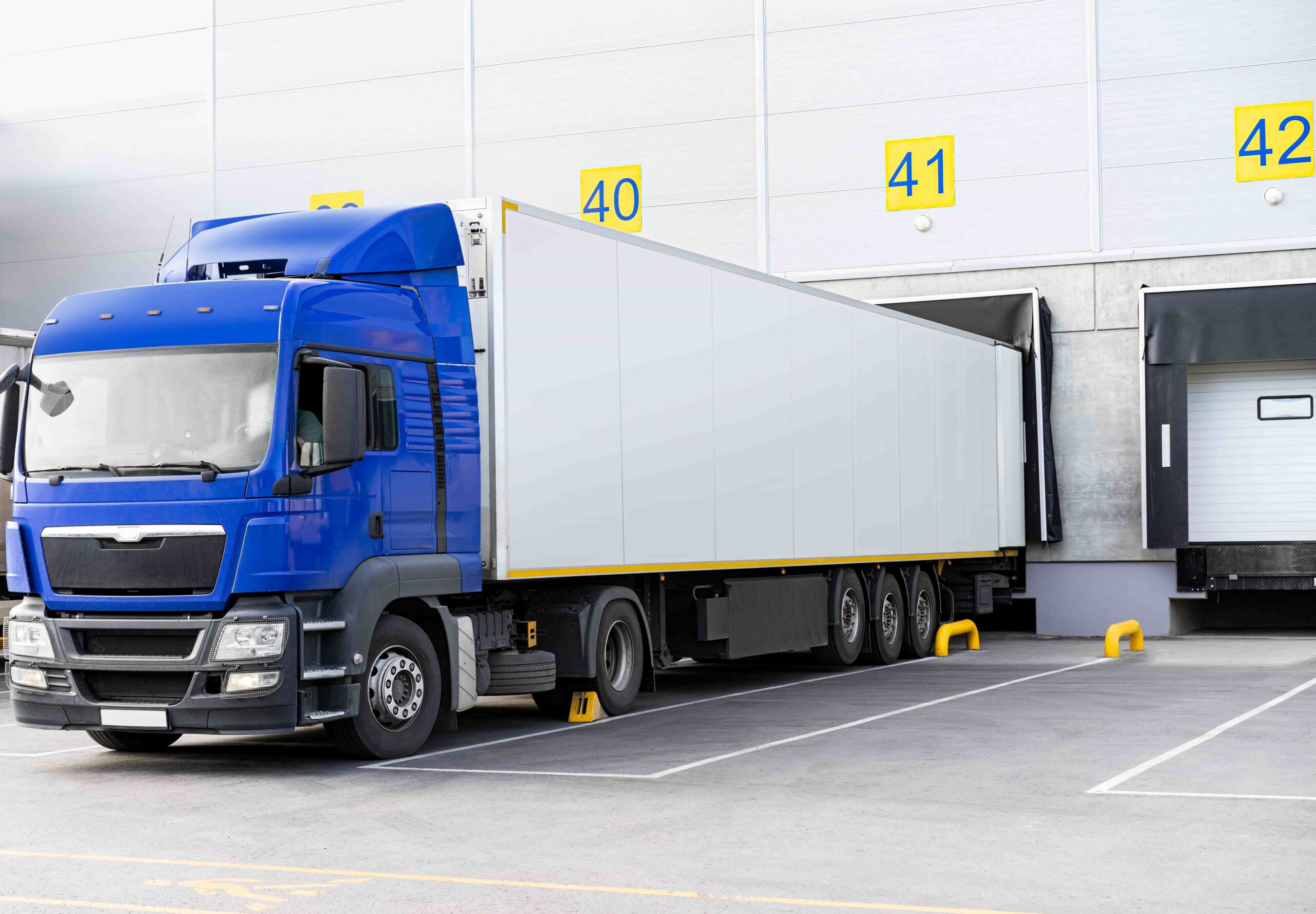
The Federal Motor Carrier Safety Administration (FMCSA) establishes detailed requirements for how commercial cargo must be secured. Federal cargo securement regulations apply directly to motor carriers and drivers. Third-party loading companies are not regulated by FMCSA, but they may still be held liable under Texas negligence law when their loading practices create unsafe conditions.
Requirements Under 49 CFR Part 393
Federal cargo securement standards specify minimum requirements for tiedowns, blocking, and bracing. The regulations require that cargo be firmly immobilized or secured to prevent shifting during normal driving conditions, including emergency braking and evasive maneuvers.
The following requirements apply to cargo securement under federal regulations:
- Cargo must be contained, immobilized, or secured to prevent shifting during transit
- Tiedowns must meet minimum strength ratings based on cargo weight
- The number of tiedowns required depends on cargo length and weight
- Specific commodities like lumber, metal coils, and heavy machinery have additional requirements
- Drivers are generally required to inspect cargo securement within the first 50 miles and periodically thereafter, unless the load is sealed or the driver is prohibited from inspecting the cargo
These regulations create clear standards that motor carriers and drivers must follow.
Weight Limits and Distribution Requirements
Federal law sets the maximum gross vehicle weight at 80,000 pounds for most commercial trucks operating on interstate highways. Individual axle weights also face limits: 20,000 pounds for single axles and 34,000 pounds for tandem axles. These limits exist because excessive weight damages roads and creates safety hazards.
Beyond total weight, proper distribution matters significantly. Cargo concentrated too far forward, backward, or to one side affects vehicle handling. Load imbalance may cause steering difficulties, uneven tire wear, and dramatically increased rollover risk on curves and highway ramps.
Who Bears Liability for Cargo Loading Failures
When improper cargo loading causes a crash, identifying all responsible parties requires investigation that goes beyond the driver. Multiple entities may share liability depending on their role in the loading process and their knowledge of violations.
The Motor Carrier's Responsibility
Trucking companies bear significant responsibility for cargo securement even when they do not perform the loading themselves. Under federal regulations, motor carriers must establish and enforce loading procedures. They must also verify that drivers conduct required inspections when applicable.
When a trucking company accepts a load without verifying proper securement, or when it pressures drivers to skip required inspections, the company may face direct liability for resulting crashes. Corporate policies that prioritize delivery speed over safety compliance may become evidence in litigation.
Third-Party Loader Liability
Many trucking operations involve third-party warehouses or shipping facilities that load cargo onto trailers. While these companies are not directly regulated by FMCSA, they may face liability under Texas negligence law when their employees fail to follow proper securement practices. Dock workers who stack cargo incorrectly, use inadequate tiedowns, or exceed weight limits create dangers that drivers may not discover until a crash occurs.
The following parties may share liability in an improper cargo loading accident:
- The trucking company that operates the vehicle
- The third-party warehouse or loading facility
- The shipper who arranged for cargo transport
- Freight brokers who coordinate shipments
- The loading company itself, which may be liable for negligent acts performed by its employees during the loading process under standard employer-responsibility principles
Each party's role in the loading process determines their potential exposure to liability claims.
The Driver's Limited Control
Truck drivers often have less control over their cargo than people assume. Many loads arrive in sealed trailers that drivers are prohibited from opening. Shipping schedules may not allow time for thorough inspection. Some cargo requires specialized equipment or training to secure properly.
When a driver receives a pre-loaded sealed trailer, they may have no practical way to verify that the cargo is properly secured. In these situations, liability may fall more heavily on the parties who controlled the loading process.
Evidence That Reveals Loading Violations

Crash investigations in improper cargo loading cases require evidence that documents how the load was prepared before the truck departed. This evidence often exists in shipping records, weight documentation, and warehouse procedures.
Bills of Lading and Shipping Records
A bill of lading is a document that describes the cargo being transported, including its weight, contents, and origin. Discrepancies between the bill of lading and actual cargo conditions may indicate loading problems. These documents also identify which parties handled the cargo before transport.
Shipping records may reveal whether the cargo exceeded weight limits, whether special securement requirements applied, and whether the shipper provided accurate information about the load. Inaccurate shipping documentation sometimes reflects intentional efforts to avoid weight restrictions or inspection requirements.
Weight Tickets and Scale Records
Commercial trucks frequently cross weigh stations or obtain weight tickets during transport. These records provide objective evidence of the truck's actual weight at specific times and locations. When weight tickets show a truck exceeded legal limits, they become powerful evidence of a loading violation.
Investigators may also examine weight distribution data when available. Some weigh stations record individual axle weights, which may reveal improper load distribution even when total weight falls within legal limits.
Warehouse Records and Loading Procedures
The warehouse or facility that loaded the cargo typically maintains records of its loading procedures. These records may include load diagrams, forklift logs, employee assignments, and quality control checklists. When these documents reveal that loading crews skipped required steps or lacked proper training, they support claims against the loading company.
The following types of evidence may strengthen claims in cargo loading cases:
- Bills of lading that document cargo weight and contents
- Weight tickets from weigh stations or scales
- Photographs of cargo condition and securement after the crash
- Warehouse loading records and employee training documentation
- Driver inspection logs and pre-trip documentation
Preserving this evidence promptly after a crash is often essential to building a strong case.
How Cargo Loading Cases Differ From Typical Truck Crashes
Improper cargo loading accidents require investigation approaches that differ from standard trucking cases. The focus expands beyond driver behavior to include the entire chain of custody for the cargo.
Identifying All Responsible Parties
A typical car accident involves identifying which driver was at fault. A cargo loading case may involve investigating the shipper, the warehouse, the trucking company, the freight broker, and the driver. Each party's role requires separate analysis.
This complexity means that injured families benefit from working with truck accident attorneys who understand cargo securement regulations and the trucking industry's loading practices. The parties responsible for a crash may not be obvious from the accident scene alone.
Technical Evidence and Reconstruction
Cargo loading cases often require accident reconstruction that considers how load distribution affected vehicle dynamics. Engineers may analyze whether cargo shift contributed to a rollover or loss of control. This technical analysis connects the loading violation to the crash itself.
Physical evidence from the crash scene, including cargo position, tiedown failure points, and debris patterns, helps reconstructionists understand what happened during the collision. This evidence may disappear quickly as crash scenes are cleared and vehicles are moved.
The Importance of Early Investigation

Evidence in cargo loading cases often disappears faster than in other trucking crashes. Cargo is removed, vehicles are repaired, and warehouse records reach the end of their retention periods. Families who suspect loading violations contributed to their crash benefit from prompt legal consultation.
Preserving Critical Documentation
An attorney who handles trucking cases typically sends preservation letters to all parties who may have relevant records. These letters demand that the trucking company, the loading facility, and the shipper retain all documentation related to the cargo and the crash.
Without these preservation demands, companies may destroy records through routine business practices. By the time litigation begins months later, the documentation that might have revealed loading violations may no longer exist.
Independent Scene Investigation
When possible, early investigation of the crash scene may reveal evidence of cargo loading problems. The position of scattered cargo, the condition of tiedowns, and the pattern of vehicle damage may all indicate whether loading violations contributed to the crash. This evidence becomes harder to evaluate once vehicles are removed and debris is cleared.
FAQ for Improper Cargo Loading Accidents
What if the truck driver says they had no control over how the cargo was loaded?
This claim is often accurate. Many drivers receive sealed trailers they are prohibited from opening. Others face time pressures that prevent thorough inspection. When drivers legitimately lacked control over loading, liability may shift primarily to the parties who performed or supervised the loading process.
Do cargo securement regulations apply to trucks that operate only within Texas?
Texas has adopted most federal cargo securement and safety regulations for intrastate commercial vehicles through the Texas Administrative Code. This means similar standards apply even when trucks operate solely within Texas rather than crossing state lines.
What happens if multiple parties share fault for the improper loading?
Texas law limits joint and several liability. An injured party may recover the full amount from a defendant only if that defendant is found more than 50 percent at fault, or if specific statutory exceptions apply. Otherwise, each party is responsible only for their percentage of fault.
How do investigators determine whether cargo shift caused a rollover?
Accident reconstruction professionals analyze physical evidence, including vehicle damage patterns, cargo distribution after the crash, tiedown conditions, and road surface marks. They may use computer modeling to determine whether the crash dynamics match a cargo shift scenario. Witness statements about the truck's behavior before the crash also provide valuable information.
What if the cargo was hazardous material that spilled during the crash?
Hazardous material cargo faces additional federal regulations under 49 CFR Part 172. Spills may trigger environmental cleanup obligations and create additional injury risks for crash victims and emergency responders. Violations of hazmat regulations may support additional claims against the responsible parties.
When the Load Was Wrong Before the Truck Left the Dock
An improper cargo loading accident in Texas may involve failures that occurred miles away from the crash site and hours before the collision. The warehouse that stacked cargo incorrectly, the shipper who misrepresented weight, and the trucking company that accepted an unsafe load may all share responsibility for the injuries that families suffer on Texas highways.
Cowen Law represents families throughout San Antonio and across Texas in trucking cases that involve cargo loading violations. Our attorneys understand the federal regulations that govern cargo securement and the investigation methods required to identify all responsible parties. We handle these cases on a contingency fee basis, which means families pay nothing unless we recover compensation on their behalf. If you suspect improper loading contributed to your crash, our team is ready to fight for fair compensation and hold every responsible party accountable.
Call us at (210) 941-1306 for a free consultation or contact us below. No cost to you unless we win.