Rear-end crashes look straightforward until the insurance company starts shifting blame. The rear driver may claim the front vehicle stopped without warning, changed lanes, or had defective brake lights.
Cowen | Rodriguez | Peacock investigates what happened before the impact. We secure vehicle data, video, phone records, witness accounts, and insurance information, then build the claim around proof that will hold up in negotiations and at trial.
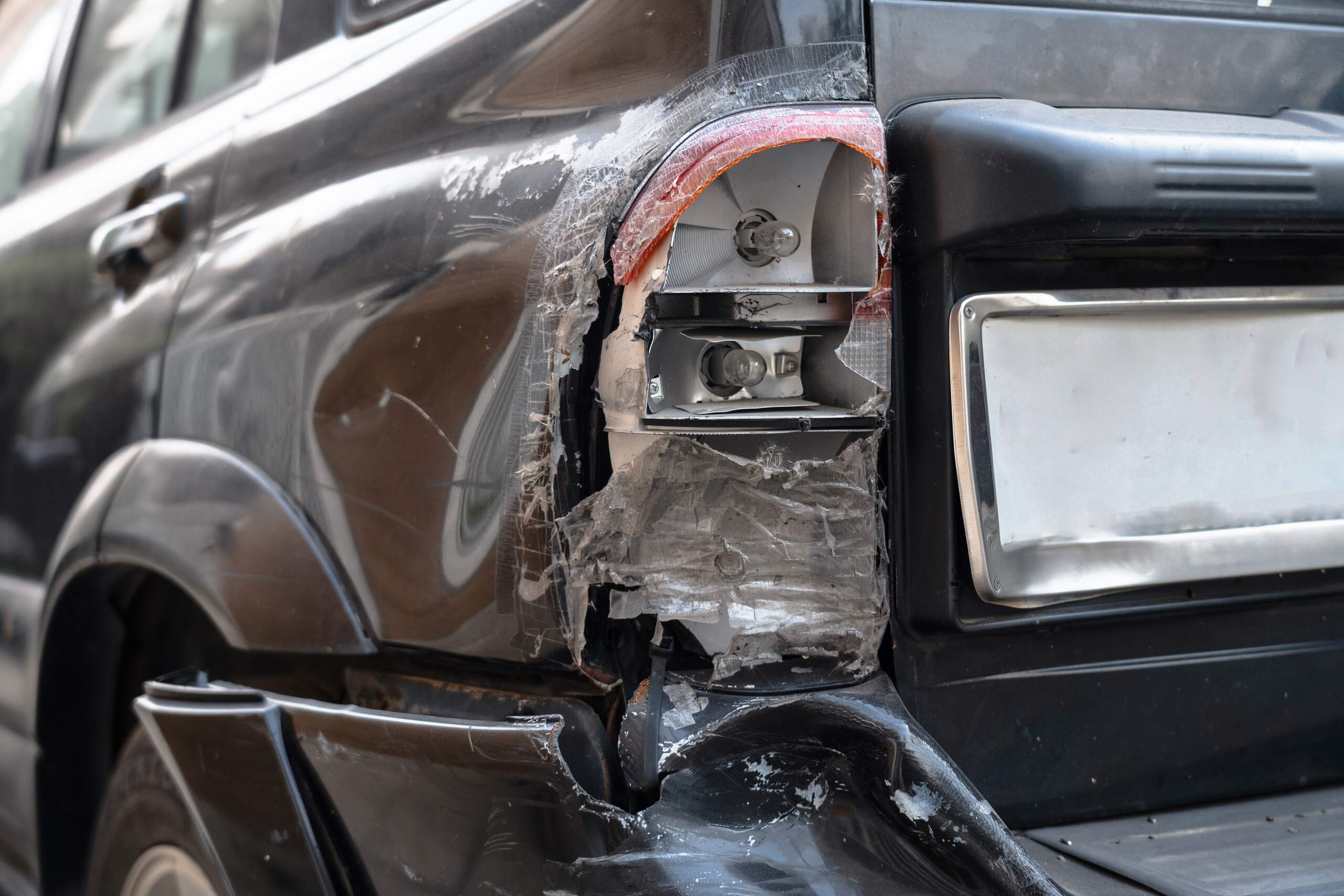
The Rules That Control Rear-End Crash Fault
- The rear driver is frequently responsible for following too closely, speeding, distraction, or delayed braking.
- Texas does not automatically assign fault solely because one vehicle struck the other from behind.
- A front driver, third motorist, employer, or vehicle owner can share responsibility when the evidence supports it.
- Texas reduces compensation when an injured person shares fault and bars recovery only when that person is more than 50 percent responsible.
- Vehicle data, video, physical damage, and witness testimony often matter more than an insurer’s first fault decision.
Who is at fault in a rear-end collision in Texas?
The rear driver is often at fault because every motorist must leave enough space to stop safely, but Texas law assigns responsibility from the evidence rather than imposing an automatic rule.
Is the Rear Driver Always at Fault in Texas?
No. The rear driver is often responsible, but rear-end collision fault in Texas depends on negligence and causation. The evidence must show which driver failed to use reasonable care and how that failure produced the crash.
Why the Rear Driver Is Frequently Responsible
A driver following another vehicle must anticipate ordinary traffic changes. Cars slow for congestion, signals, pedestrians, construction, and vehicles entering the roadway. The following driver must leave enough room to respond without striking the vehicle ahead.
Rear-driver negligence often includes:
- Following too closely
- Driving too fast for traffic or weather
- Looking at a phone
- Failing to watch the road
- Braking too late
- Driving while fatigued or impaired
- Failing to maintain working brakes or tires
Why a Rear Impact Does Not Automatically Decide the Case
Vehicle position proves where contact occurred, not why it occurred. The front driver may have reversed, entered the lane without enough clearance, or stopped in a travel lane for no reasonable purpose. A third vehicle may also have pushed the rear car forward.
We examine the seconds before impact and test each driver’s account against objective evidence.
What Does Texas Law Require of a Following Driver?
Texas requires a following driver to maintain enough clear distance to stop safely under the existing conditions. Speed, traffic, visibility, weather, and roadway conditions all affect the amount of space a reasonable driver must leave.
Texas Following-Distance Law
Texas Transportation Code Section 545.062 requires a driver to maintain an assured clear distance that allows the vehicle to stop without hitting the vehicle ahead or swerving into another vehicle, object, or person. The statute does not create a fixed number of car lengths because safe distance changes with the circumstances.
Traffic and Weather Change the Required Distance
A distance that is safe on a dry, open road may be unsafe in heavy traffic or rain. Drivers must account for reduced visibility, wet pavement, construction, nighttime conditions, and stop-and-go congestion.
We compare both drivers’ conduct with the conditions that existed at the time.
A Sudden Stop Is Not an Automatic Defense
Traffic often stops quickly. The rear driver must be prepared for foreseeable changes ahead. Calling a stop “sudden” does not establish that it was negligent or unavoidable.
The evidence must answer:
- Why did the front vehicle stop?
- How long was it visible?
- How fast was the rear vehicle traveling?
- How much distance separated the vehicles?
- Did the rear driver brake or swerve?
- Was the rear driver distracted?
What Evidence Proves Who Was at Fault?
The strongest evidence shows each vehicle’s movement, the driver’s opportunity to react, and the reason the collision occurred. We preserve that proof before vehicles are repaired, recordings are overwritten, or witnesses become difficult to locate.
| Evidence | What It Can Show |
| Vehicle event data | Speed, braking, throttle use, and changes in velocity |
| Dashcam or surveillance video | Following distance, lane movement, traffic conditions, and impact sequence |
| Phone records | Calls, messages, app activity, and possible distraction |
| Vehicle damage | Direction of impact and whether more than one collision occurred |
| Witness testimony | Driver behavior, brake lights, traffic flow, and statements after the crash |
| Repair and inspection records | Brake-light defects, mechanical problems, and preexisting damage |
| Police materials | Driver statements, scene measurements, citations, and the initial crash diagram |
Vehicle Data and Physical Damage
Modern vehicles can store information from the seconds surrounding a collision. Event data can show speed, braking, throttle position, and the force of impact, depending on the vehicle and system.
Damage patterns also reveal whether the crash involved a direct rear impact, an angled lane-change collision, or several separate impacts.
Video and Phone Records
Video can resolve arguments about following distance, lane position, brake lights, and whether traffic had already slowed. Useful recordings may come from dashcams, nearby businesses, homes, parking facilities, or other vehicles.
We identify relevant devices and pursue phone records through preservation demands and formal legal process when necessary.
Witnesses and Driver Statements
Independent witnesses can describe events that vehicle occupants did not see. They may have observed tailgating, a sudden lane change, a working traffic signal, or a driver looking down before impact.
When Can the Front Driver or Another Party Be at Fault?
The front driver or another party can share fault when that person creates or contributes to the hazard. These cases require more than the rear driver’s unsupported claim that the lead vehicle “stopped suddenly.”
The Front Driver Reversed or Entered the Lane Unsafely
A front driver can be responsible for backing into another car or changing lanes without leaving adequate space. Vehicle damage, video, witness accounts, and event data can establish whether the lead vehicle moved backward or entered the lane immediately before impact.
The Front Vehicle Had Defective Brake Lights
Broken brake lights can support shared fault when they prevented the following driver from receiving a reasonable warning. The defect must be proven and connected to the collision.
We look for photographs, inspection records, repair invoices, witness observations, and video. An allegation made after the vehicle has been repaired is not enough by itself.
A Third Driver Caused a Chain Reaction
In a multi-vehicle crash, one driver may push another vehicle into the car ahead. The last vehicle is not always solely responsible, and the middle driver is not automatically negligent.
Damage to each vehicle, event data, and witness testimony can separate the impacts.
An Employer or Business May Share Liability
A company can be held liable in a claim when an employee caused the crash while performing work. Delivery services, rideshare trips, service calls, and other business activities can bring commercial coverage into the case.
We investigate vehicle ownership, app status, work assignments, and the relationship between the driver and company.
How Does Shared Fault Work in a Texas Rear-End Accident?
Texas assigns each responsible person a percentage of fault. An injured person can recover when that person is 50 percent or less responsible, and the recovery is reduced by that percentage.
Texas Uses Proportionate Responsibility
Chapter 33 of the Texas Civil Practice and Remedies Code controls proportionate responsibility in covered Texas injury cases. A claimant found more than 50 percent responsible cannot recover damages.
A claimant with $100,000 in proven damages who is assigned 20 percent of the fault can recover $80,000.
Insurers Use Shared-Fault Arguments to Reduce Payment
The rear driver’s carrier may blame the front driver for:
- Stopping too quickly
- Changing lanes
- Driving with defective lights
- Failing to avoid the impact
- Distracted driving
- Contributing to a chain reaction
An adjuster’s percentage is not a legal ruling. We challenge unsupported blame with physical, electronic, and testimonial evidence.
Who Pays After a Rear-End Collision in Texas?
The person or company that caused the collision is responsible for the resulting losses. In practice, one or more insurance policies usually fund the claim.
The At-Fault Driver’s Liability Coverage
Liability insurance can pay injury and property losses up to the available limits. A claim may include medical costs, lost income, reduced earning ability, vehicle damage, pain, impairment, and other supported losses.
The insurer still protects its own financial interests throughout the claim.
Your Own Insurance Can Apply
Your policy may provide PIP, collision, medical payments, or uninsured or underinsured motorist benefits. These coverages can apply while the liability carrier disputes fault or when the responsible driver lacks adequate insurance.
Using first-party coverage does not mean accepting blame.
Commercial and Rideshare Policies Can Expand Recovery
Employer and rideshare coverage can apply when the driver was working or active on an app. The driver’s precise status at the time of impact determines which policies become relevant.
We pursue app records, trip data, employer documents, and policy information.
What Should You Protect in the Days and Weeks After the Crash?
The days and weeks after a rear-end collision should focus on consistent documentation and evidence preservation. Insurers use missing records to dispute the cause, severity, and financial effect of the claim.
Keep the Claim Records Together
Consider preserving:
- Medical bills and appointment records
- Wage statements and missed-work information
- Repair estimates and total-loss documents
- Photographs of every damaged vehicle
- Witness names and contact information
- Insurance correspondence
- Towing, rental, and transportation receipts
- Notes about activities and work the injuries prevent
Be Careful With a Recorded Statement
A liability adjuster may ask questions designed to support shared fault or minimize the injuries. Questions about the stop, lane position, prior health conditions, and current activity can later be used out of context.
Cowen | Rodriguez | Peacock handles insurer communications without allowing a rushed interview to define the case.
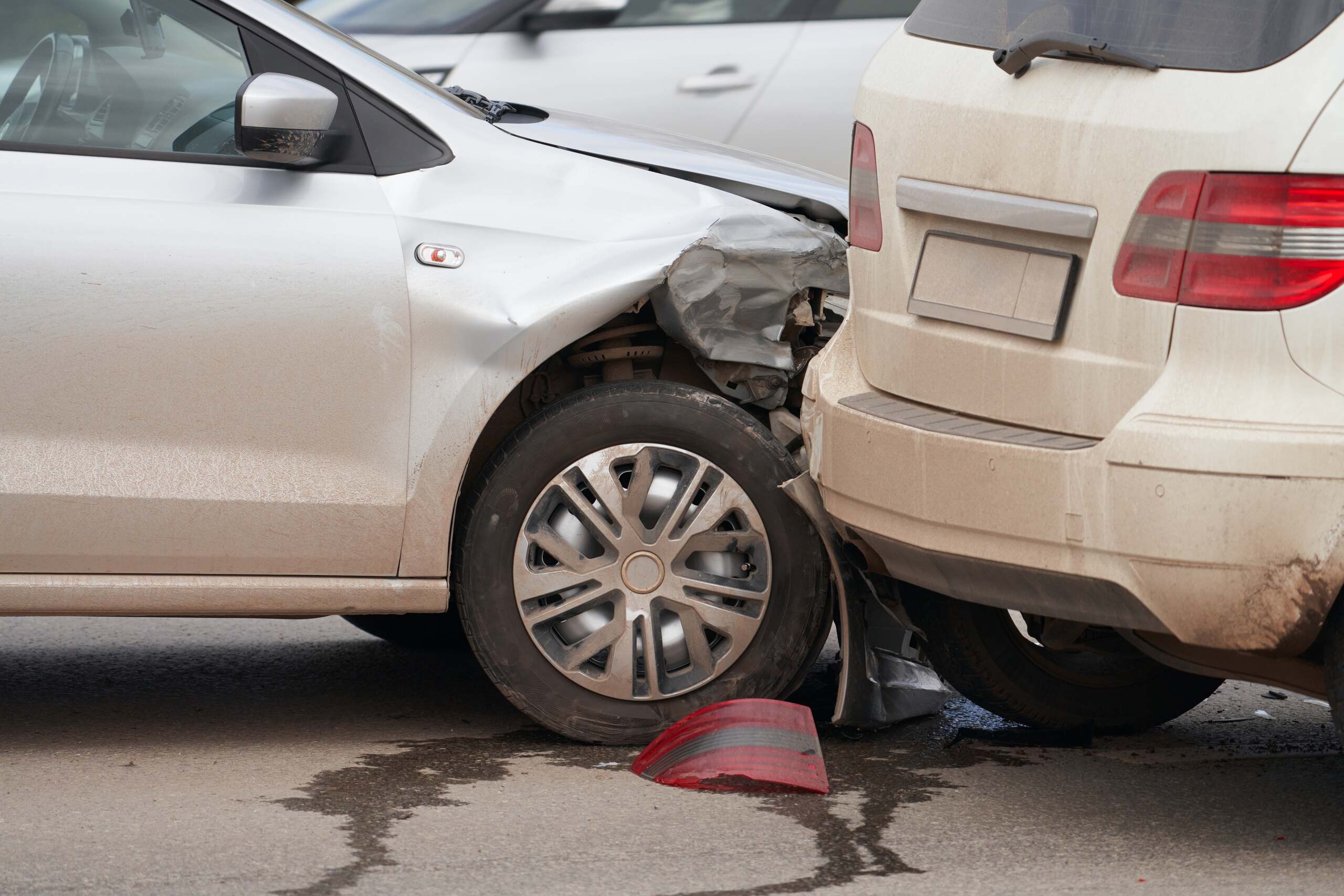
Texas Rear-End Collision Questions Answered by Our Attorneys
Does the rear driver need to receive a ticket for me to recover?
No. A traffic citation is not required to establish civil fault. Video, event data, physical damage, witness testimony, and driver admissions can prove negligence even when the officer issued no ticket.
Who is at fault if I was pushed into the car ahead of me?
The driver who initiated the chain reaction is often responsible, but the complete impact sequence must be established. Vehicle damage and event data can show whether your vehicle was stopped before it was pushed forward.
Can both drivers use the same insurance company?
Yes. The same carrier can insure both drivers, but it still handles separate claims and policy obligations. A shared insurer does not eliminate conflicts over fault, coverage, or claim value.
What if the other driver says my brake lights were not working?
The allegation must be supported by evidence and connected to the collision. Photographs, inspection findings, repair records, video, and witness accounts can confirm or refute the claim.
Can I recover diminished value after repairs?
A repaired vehicle can still be worth less because its history now includes a collision. A diminished value claim can seek that market loss when the evidence supports it, usually through repair records, comparable sales, and an appraisal.
When a Simple Rear-End Claim Becomes a Fight
Rear-end collisions are rarely simple once an insurer disputes fault, minimizes the injuries, or points to another driver. The outcome depends on evidence, not assumptions about who struck whom.
Cowen | Rodriguez | Peacock secures the proof, challenges blame-shifting, identifies every responsible party, and prepares serious cases for trial from the start. Clients speak directly with a Texas car accident attorney throughout the claim.
Call Cowen | Rodriguez | Peacock at (210) 941-1301 for a free consultation. We are available 24/7, and there is No Cost to You unless we win.