San Antonio saw over 800 pedestrian crashes in one recent year, earning it the reputation of being one of the most dangerous cities in the U.S. for people getting around on foot.
Sadly, these numbers mean that hundreds of people are injured, dozens die, and entire families are left in shock, grief, and financial hardship after losing a beloved family member.
If a negligent driver injured you or a loved one, questions about who was to blame and how to prove fault in a San Antonio pedestrian accident may arise. While Texas law defines who’s at fault in pedestrian collisions, insurance companies usually get to work immediately to limit their liability.
For you, that could mean a legal battle on your hands—one where evidence, details, and legal skills make all the difference. Fortunately, you don’t have to figure this out alone. A San Antonio personal injury lawyer can handle the legal details, gather the evidence you need, and work to protect your rights so you can focus on healing after a pedestrian accident in San Antonio.
Call us at (210) 941-1306 for a free consultation or contact us below. No cost to you unless we win.
The Rising Tide of Pedestrian Accidents in San Antonio
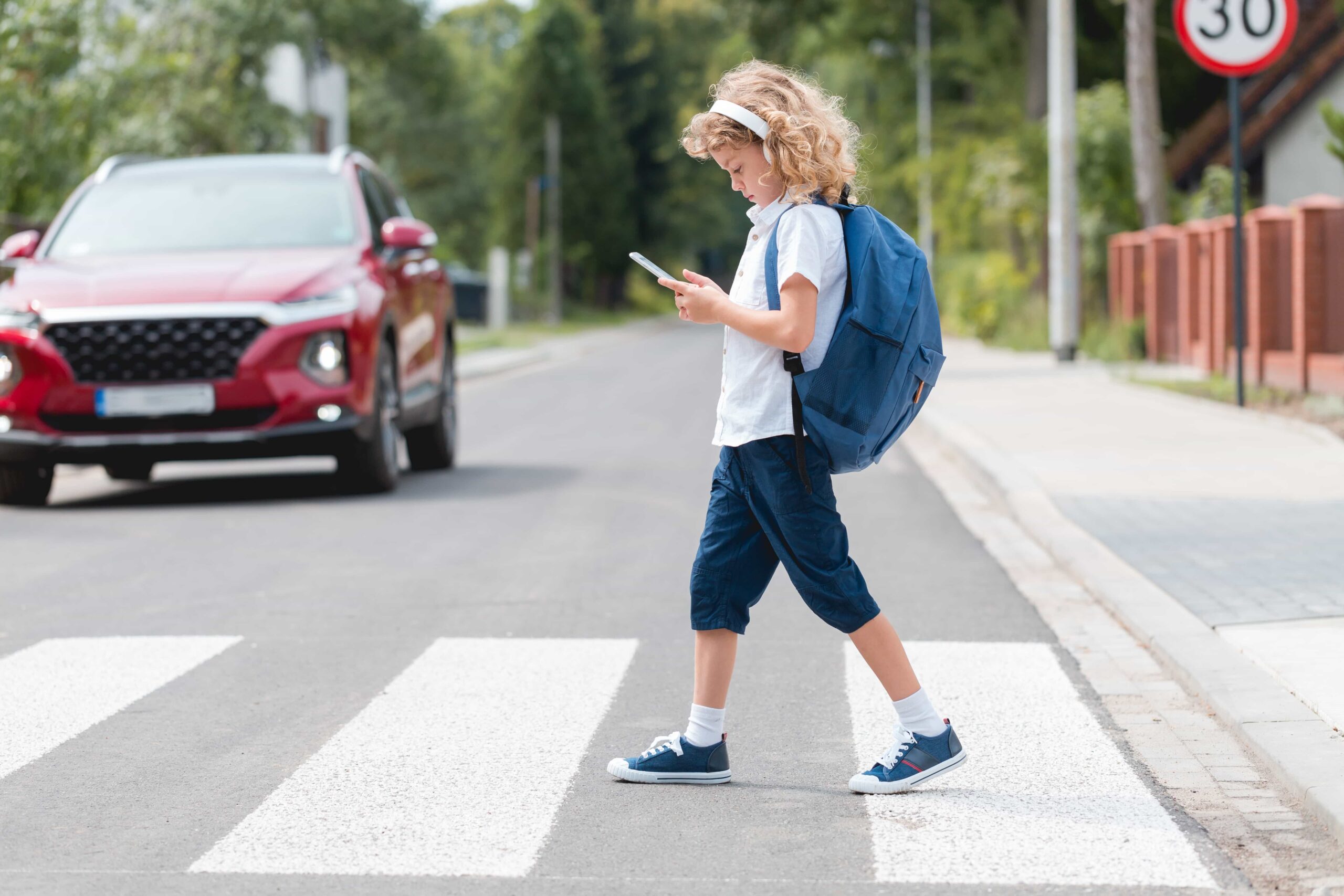
San Antonio has become one of the most hazardous major cities in America for pedestrians. The numbers paint a troubling picture.
City data show 781 pedestrian crashes in a recent year, followed by an increase to 841 crashes the following year, with 65 of those resulting in fatalities, according to Vision Zero San Antonio. This represents a jump of roughly 22% in pedestrian fatalities in a recent five-year period.
Notably, the city has mapped 90 Severe Pedestrian Injury Areas (SPIAs), roadway segments making up only 1% of San Antonio’s streets but accounting for 42% of all severe or fatal pedestrian crashes. Dangerous spots include intersections like:
- Loop 1604 & Highway 281 (heavy commuter traffic)
- Bandera Road & Loop 410 (frequent speeding)
- Commerce St. & Santa Rosa St. (downtown, high pedestrian traffic)
These statistics are a sobering reminder that drivers often fail to look out for pedestrians, even in well-marked crossings.
How Texas Law Defines Pedestrian Right-of-Way
Proving fault in a pedestrian accident starts with determining who had the legal right-of-way. In Texas, several statutes lay out the duties of both pedestrians and drivers.
Under Texas Transportation Code §§ 552.001 -- 552.006, drivers must yield to pedestrians in marked crosswalks when there’s no traffic signal or when the pedestrian has a walk signal. For example:
- Drivers must stop and yield to pedestrians in a crosswalk if there’s no traffic signal present.
- Drivers cannot overtake another vehicle stopped for a pedestrian in a crosswalk.
- Pedestrians, meanwhile, cannot suddenly leave a curb and enter a vehicle’s path if it’s impossible for the driver to stop in time.
This means proving fault often hinges on the precise details of how the crash happened—who entered the crosswalk first, where traffic signals were, and whether a driver was speeding or distracted.
Comparative Fault in Texas
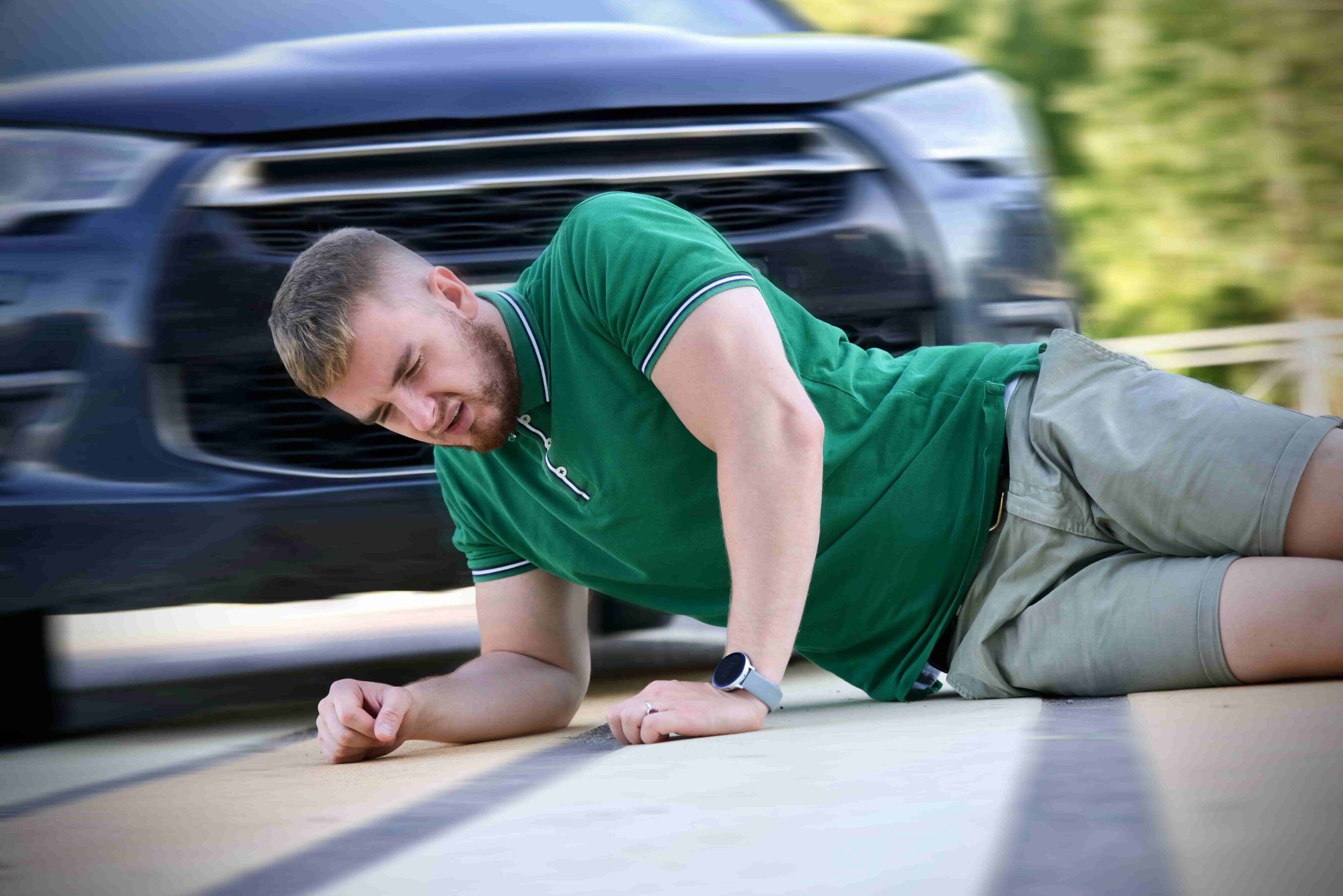
Even if a driver strikes a pedestrian, Texas law may not automatically find them 100% responsible. Texas follows a modified comparative negligence system under Tex. Civ. Prac. & Rem. Code § 33.001.
Here’s what this rule of “proportionate responsibility” means:
- You can still recover damages if you were partially at fault for the accident, but only if you’re found 50% or less at fault.
- Your compensation is reduced by your percentage of fault. For example, if you’re 20% at fault, your total compensation would be reduced by 20%.
In pedestrian accidents, insurance companies often try to shift blame onto the person who was hit. They may claim the pedestrian crossed against a signal, was distracted by a phone, or was outside the crosswalk. This is why gathering strong evidence to prove the driver’s fault is so critical.
Key Evidence Used to Prove Fault in Pedestrian Accidents
Insurance adjusters and courts rely on a range of evidence to decide who caused a pedestrian crash. The strongest claims typically involve several of the following:
Police Reports
After a crash, the responding officer will file a crash report detailing:
- Statements from drivers, pedestrians, and witnesses
- A diagram showing vehicle and pedestrian positions
- Possible traffic violations (like failing to yield)
Texas police reports also sometimes include an officer’s preliminary opinion about fault, which can influence how insurance companies handle your claim.
Eyewitness Testimony
People who saw the accident can provide crucial details, including:
- Whether the pedestrian was in a crosswalk
- How fast the vehicle was going
- Whether the driver appeared distracted or intoxicated
Traffic and Surveillance Cameras
Footage from traffic cameras, business security cameras, and even dashcams can provide powerful visual proof of:
- Driver speed and behavior
- Traffic signal phases
- Precise timing of pedestrian movements
Black Box Data
Many modern vehicles—including trucks and delivery vehicles frequenting San Antonio—have electronic data recorders (“black boxes”) that log:
- Speed
- Brake application
- Steering angle
If a driver claims they were going slowly or tried to stop, black box data may prove otherwise.
Photos and Accident Scene Documentation
Photos from the crash scene can show:
- Crosswalk markings
- Skid marks
- Debris field
- Lighting and weather conditions
This physical evidence helps reconstruct the crash.
Cell Phone Records
If a driver was texting or on a call when they hit a pedestrian, phone records can be subpoenaed to prove distraction.
The Role of Dangerous Intersections in Proving Fault
San Antonio’s Severe Pedestrian Injury Areas (SPIAs) are well-documented zones where crashes happen far more often than elsewhere. For example, the intersection of Commerce St. and Santa Rosa St. in downtown has repeatedly been flagged for high pedestrian collision rates.
If your accident occurred in one of these zones, it could help strengthen your case. Evidence that the city has already identified the area as dangerous can:
- Support claims that drivers should have exercised extra caution
- Counter arguments blaming pedestrians for “unexpectedly” being in the roadway
It can also influence how a jury views negligence. Juries may be more sympathetic to pedestrians struck in known high-risk areas, especially if drivers ignored conditions like poor visibility or faded crosswalk markings.
A Word on Pedestrian Crashes Involving Trucks and Commercial Vehicles

San Antonio’s busy roads see significant traffic from commercial vehicles, including trucks from Amazon, UPS, FedEx, and other delivery companies. Unfortunately, these vehicles often appear in serious pedestrian crashes because of their:
- Large blind spots
- Longer stopping distances
- Frequent operation in urban streets with heavy foot traffic
If your pedestrian accident involved a commercial vehicle, proving fault can become more complex. Trucking companies may share legal responsibility if:
- The driver was working at the time of the crash
- The company failed to train drivers properly
- The vehicle wasn’t maintained in a safe condition
Commercial defendants often have powerful insurance carriers and legal teams. Preserving evidence like driver logs, GPS data, and company policies becomes crucial to proving your claim.
Don’t Wait to Protect Your Rights
Texas law imposes strict deadlines on personal injury claims. Generally, you have two years from the date of your accident to file a lawsuit under Tex. Civ. Prac. & Rem. Code § 16.003. But waiting too long can jeopardize your case for other reasons:
- Surveillance video may be overwritten in days or weeks.
- Witnesses’ memories fade.
- Vehicles and debris get repaired or cleared away.
Even if you’re unsure whether you want to file a lawsuit, speaking to a lawyer quickly helps preserve vital evidence.
Common Driver Negligence Factors in Pedestrian Crashes
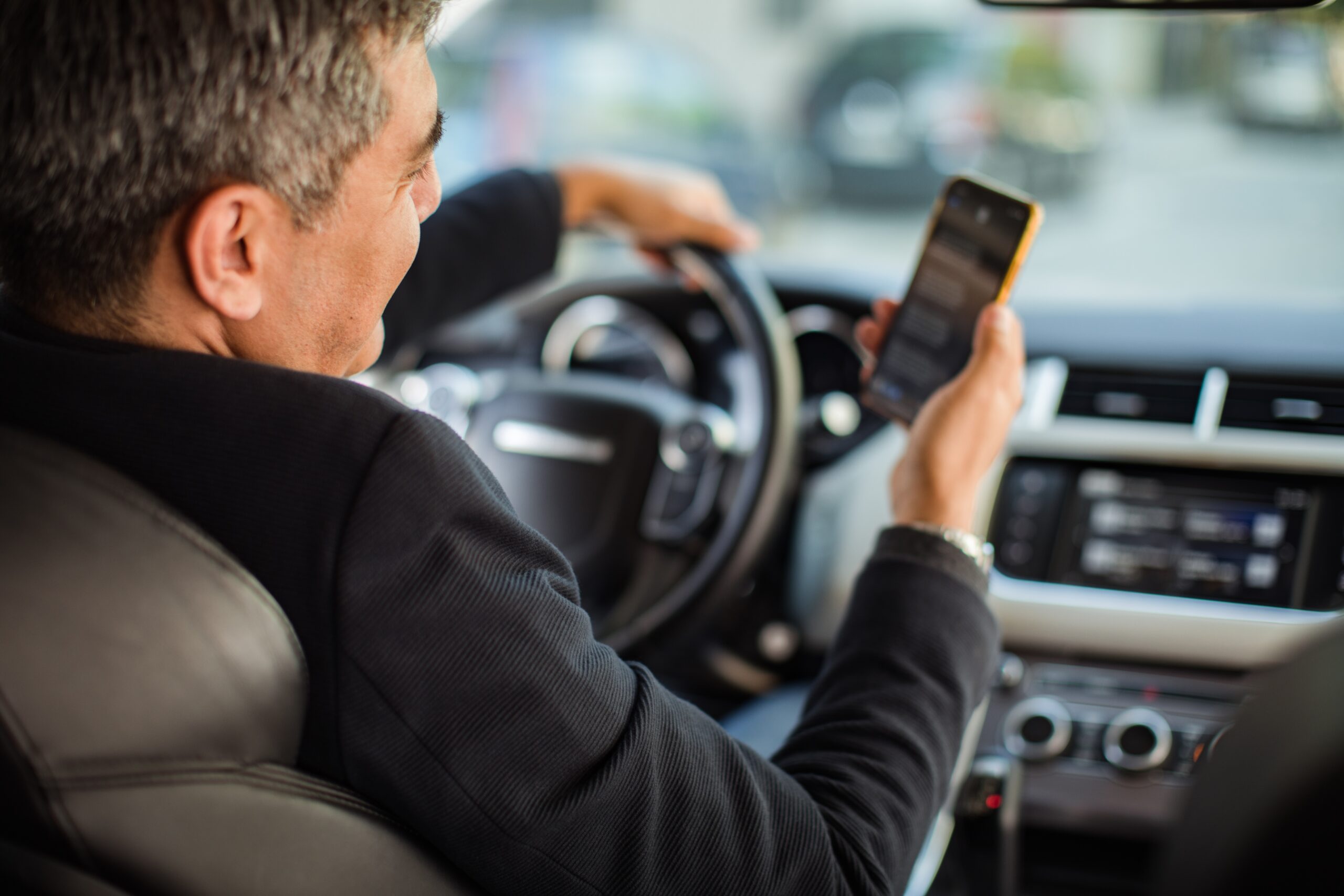
Not every pedestrian accident happens because someone deliberately breaks the law. Often, crashes result from ordinary drivers who simply aren’t paying attention. Still, these behaviors are negligent under Texas law, and proving them can be crucial to holding drivers accountable.
Speeding
Speed plays a devastating role in pedestrian injuries. A person struck by a vehicle traveling 40 mph or faster faces a roughly 85% chance of severe injury or death, compared to only 13% at 20 mph, according to the National Highway Traffic Safety Administration (NHTSA).
San Antonio’s data shows speed contributes to frequent crashes along corridors like Bandera Road and Loop 410, where drivers often exceed posted limits. If a driver was speeding, it can significantly help prove negligence.
Distracted Driving
Under Texas Transportation Code § 545.4251, Texas prohibits reading, writing, or sending electronic messages while driving. Despite this, distracted driving remains a serious problem. In pedestrian cases, phone use is especially deadly because drivers might:
- Fail to see a person stepping into a crosswalk
- Miss traffic signals
- React too slowly to avoid a collision
Proving phone use often requires subpoenas for cell phone records or testimony from witnesses who saw the driver looking down.
Driving Under the Influence
Drunk or drugged drivers frequently fail to notice pedestrians or misjudge stopping distances. In Texas, a driver is legally intoxicated with a blood alcohol content (BAC) of 0.08% or higher, though any amount of impairment can support a negligence claim.
Alcohol-related pedestrian crashes are more common at night, especially in entertainment districts downtown. Proving intoxication can involve:
- Breathalyzer or blood test results
- Police officer observations
- Field sobriety test performance
How Insurance Companies Try to Shift Blame
Even with strong evidence, you may encounter resistance from insurance adjusters. Insurance companies often look for ways to argue that the pedestrian shares fault or caused the crash entirely. Some common tactics include:
- Blaming the pedestrian for jaywalking – Even if you were just a few feet outside a crosswalk, insurers might argue you violated Texas Transportation Code §§ 552.005–552.006. However, drivers still have a duty to watch for pedestrians in the roadway.
- Claiming distraction – Adjusters may suggest you were looking at your phone or wearing earbuds and should have seen the car coming.
- Disputing injury severity – They might argue your injuries are unrelated to the accident or not as serious as you claim.
- Questioning timing – Insurers sometimes claim pedestrians “darted” into the street unexpectedly.
These arguments are designed to lower your payout or deny your claim entirely. That’s why early legal help is so important, especially if you’ve been seriously hurt.
What To Do After a Pedestrian Accident in San Antonio

If you’ve been injured in a pedestrian accident, you’ve likely already seen a doctor or are in treatment now. If you haven’t, seek medical attention as soon as possible. Even injuries that seem minor can become serious, and medical records are vital for any legal claim.
Once you’ve taken care of your health, there are other steps that can protect your case and help prove fault:
- Hire a lawyer – A pedestrian accident lawyer can handle insurers, gather evidence, and protect your rights so you can focus on healing.
- Keep medical appointments and follow treatment – Missing care can hurt your health and allow insurers to argue your injuries aren’t serious.
- Journal your recovery – Write or record how pain and injuries affect your daily life. It can help show the full impact of the accident.
- Collect evidence if you’re able – Photos of the scene, vehicles, and injuries can be crucial proof.
- Avoid discussing fault – Don’t admit blame or speculate about what happened; insurers may use your words against you.
Quick legal action after a pedestrian is important. Evidence disappears fast, and insurance companies may already be working to limit what they pay. Getting legal help early can make all the difference.
Key Takeaways
- Pedestrian crashes are on the rise in San Antonio, making it one of the most dangerous U.S. cities for pedestrians.
- Texas follows a modified comparative negligence rule, meaning you can recover damages if you’re less than 51% at fault, but your compensation decreases by your percentage of fault.
- Evidence like police reports, video footage, witness statements, and black box data is essential to proving fault.
- Dangerous intersections and Severe Pedestrian Injury Areas (SPIAs) in San Antonio provide critical context that can help support your case.
- Insurance companies frequently try to shift blame to pedestrians to avoid paying claims.
- Taking quick action after a crash—like gathering evidence and seeking medical care—can protect your rights.
- A San Antonio pedestrian accident lawyer can help gather evidence, handle negotiations, and fight for full compensation for your injuries and losses.
Frequently Asked Questions About San Antonio Pedestrian Accidents
What if I wasn’t in a crosswalk when I was hit?
You can still bring a claim even if you were outside a crosswalk. Texas law requires drivers to stay alert for pedestrians anywhere on the roadway. However, being outside a crosswalk might affect how fault is assigned under Texas’s comparative negligence rules.
Are pedestrian accident settlements taxable in Texas?
In most cases, personal injury settlements for physical injuries are not taxable under federal or Texas law. However, portions of a settlement meant to compensate for lost wages or interest might be taxed. Consult a tax professional for guidance on your specific situation.
What compensation can I recover after a pedestrian accident?
You may be able to recover compensation for medical bills, lost wages, pain and suffering, and other damages. In cases involving gross negligence, punitive damages might also be available.
Do pedestrian accident lawyers charge upfront fees?
Most pedestrian accident lawyers, including those in San Antonio, work on a contingency fee basis. This means you pay no legal fees unless they win money for you.
Call Cowen Law For a Free Consultation
Being hit by a negligent driver is bad enough. But when insurance companies give you the runaround, make lowball settlement offers, and try to blame you, it’s easy to feel worn down fast. It happens all the time in San Antonio, and it’s unfair.
At Cowen Law, we understand how devastating pedestrian accidents are and how hard insurance companies fight to avoid paying fair compensation. Our team of personal injury lawyers has decades of trial experience handling pedestrian cases involving catastrophic injuries in San Antonio and across Texas. We’re committed to fighting for the best possible outcome for you, so you can focus on healing and rebuilding your life. Call Cowen Law today at (210) 941-1306 or contact us online for a free consultation. Let’s talk about what we can do to prove fault in your case and pursue maximum compensation for your injuries and losses.
Call us at (210) 941-1306 for a free consultation or contact us below. No cost to you unless we win.