In a city filled with busy highways and nonstop delivery traffic, drivers in San Antonio spend hours each week navigating congestion, construction, and unpredictable road conditions. And while most people know how important it is to stay focused behind the wheel, distracted driving in San Antonio continues to be a leading cause of crashes that result in serious injuries and deaths. An experienced San Antonio distracted driving accident lawyer can help victims understand their rights and pursue fair compensation.
Across Bexar County and the rest of Texas, lawmakers have introduced hands-free laws and launched public safety campaigns to reduce these preventable accidents. Yet many drivers still text, eat, check maps, or get lost in distractions, creating a moment of inattention that leads to a life-altering collision.
Schedule A Free Case Consultation
Key Takeaways
- Distracted driving is a major cause of serious injury crashes in San Antonio and across Texas.
- Cell phone use is a top contributor, but cognitive and manual distractions are also common.
- Rear-end collisions, sideswipes, and intersection crashes are typical outcomes of distracted behavior.
- Texas law prohibits texting while driving and allows victims to seek compensation through personal injury claims.
- Commercial and delivery drivers, including Amazon, UPS, and FedEx, are often involved in distracted driving wrecks.
- An experienced injury lawyer can help preserve evidence, investigate phone records, and build a strong case for compensation.
What Counts as Distracted Driving?
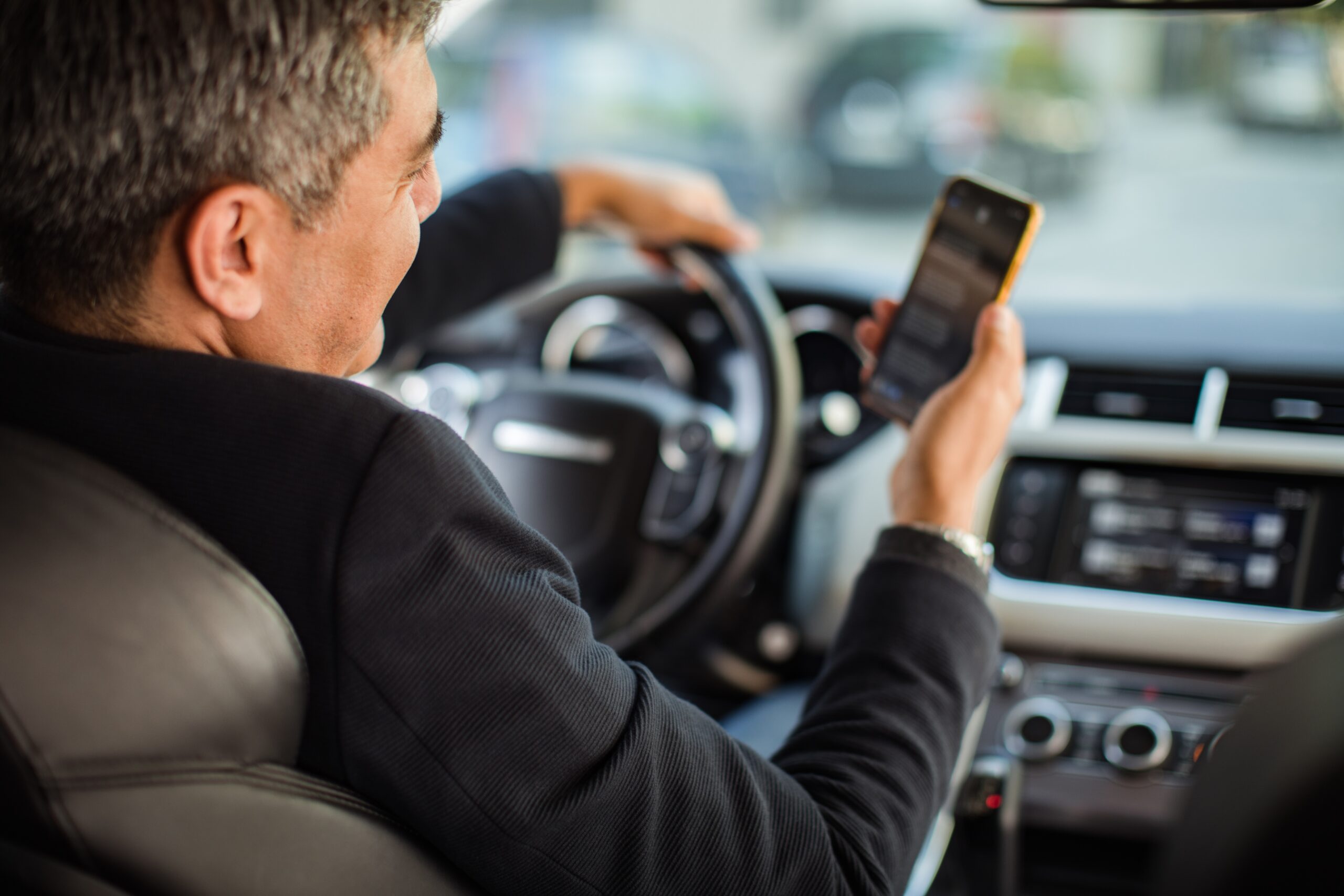
Distracted driving is any activity that takes a driver’s attention away from the road. It’s not just about texting, though that’s one of the worst offenders. Distractions fall into three main categories:
Visual distractions
Taking your eyes off the road, even for a second, can have serious consequences. Looking at a text message, adjusting the navigation app, or checking the kids in the backseat are all common examples.
Manual distractions
These involve taking your hands off the wheel. Reaching for food, adjusting the radio, or holding a phone while driving all increase the risk of losing control of the vehicle.
Cognitive distractions
Even when your eyes are forward and your hands are on the wheel, your mind can be elsewhere. Stress, phone conversations, or daydreaming can all reduce a driver’s ability to react quickly.
Many distracted drivers are dealing with multiple distractions at once, such as talking on speakerphone while using a GPS and eating, all while navigating traffic. The result is delayed reaction time, missed signals, and tragic crashes that were entirely avoidable.
Common Injuries Caused by Distracted Driving
Crashes caused by distracted drivers tend to be sudden and violent. Victims often have little or no time to brace themselves. As a result, injuries can be severe, especially when high speeds or commercial vehicles are involved.
Traumatic brain injuries
Head trauma from hitting a window, steering wheel, or airbag can result in concussions, bleeding, or permanent brain damage. These injuries are often difficult to diagnose early and can lead to long-term cognitive and emotional changes.
Spinal cord injuries
A sudden jolt in a rear-end collision or rollover crash can fracture vertebrae or damage spinal discs. This can lead to chronic pain, limited mobility, or in some cases, permanent paralysis.
Broken bones and fractures
Even with seat belts and airbags, distracted driving crashes often result in broken ribs, arms, legs, or pelvis. These injuries usually require surgery and months of physical therapy.
Internal injuries
Blunt-force trauma from a steering wheel or seat belt can cause internal bleeding or damage to organs. These injuries may not be visible right away and can be life-threatening without immediate care.
Emotional and psychological trauma
Victims often experience anxiety, depression, or post-traumatic stress, especially if the crash involved serious injury or the death of a loved one. Mental health care is a critical part of long-term recovery.
Injury victims are left dealing with not only physical pain, but mounting medical bills, missed work, and questions about how to move forward.
San Antonio Roads and High-Risk Areas for Distracted Driving
San Antonio’s mix of highways, construction zones, and congested intersections makes it especially vulnerable to distracted driving crashes. Some of the most dangerous areas include:
- I-35 and I-10 corridors, where stop-and-go traffic is common
- Loop 1604, especially near shopping centers and suburban exits
- Downtown intersections, where pedestrian traffic and signals increase the risk of split-second decisions
- High-speed areas near schools or construction, where speed limits change frequently
Bexar County consistently ranks high in Texas for traffic crashes involving distracted drivers. One in five crashes in Texas is the result of a distracted driver. In one recent year alone, the Texas Department of Transportation reported more than 3,300 distracted driving crashes in the county, many of them resulting in serious injury or death.
How Texas Law Addresses Distracted Driving
Texas has banned texting while driving since 2017. This includes reading, writing, or sending text-based communication while operating a vehicle. The problem of texting behind the wheel has become so bad that San Antonio has taken it a step further with its hands-free ordinance, which prohibits drivers from holding a phone or other wireless device while behind the wheel.
However, enforcement is limited. Citations are rare, and distracted drivers often deny they were using a device unless evidence proves otherwise. That’s technical evidence that experienced personal injury lawyers can produce to make a difference in your case.
Proving distracted driving
Phone records, dashcam footage, eyewitness accounts, and crash reconstructions can all help prove a driver was distracted. But gathering this evidence is time-sensitive. In many cases, the window to subpoena records or inspect the vehicle may close quickly.
Civil liability
A driver doesn’t need to receive a ticket for you to pursue compensation. If their distraction caused a crash and you were seriously hurt, they can be held legally responsible through a personal injury claim. Civil cases focus on accountability and recovery, not punishment.
A claim can help you seek compensation for:
- Medical expenses and ongoing treatment
- Lost income or reduced earning potential
- Pain and suffering
- Emotional distress
- Property damage
Texas uses a modified comparative fault system, meaning your compensation may be reduced if you’re found partially at fault for the accident. However, as long as you're less than 51% responsible, you still have the right to recover damages.
Delivery Trucks and Distracted Driving in San Antonio
San Antonio sees a high volume of commercial delivery vehicles from Amazon, FedEx, UPS, and local freight companies. These drivers are often under pressure to meet tight schedules and may rely heavily on GPS apps, dispatch devices, or mobile phones. When combined with long hours and unfamiliar routes, the result is a high risk for distraction.
Commercial drivers also pose a greater threat due to the size and weight of their vehicles. A distracted driver behind the wheel of a box truck or 18-wheeler can cause massive, multi-vehicle collisions with devastating results.
Holding these companies accountable requires experience, resources, and immediate action. Delivery services often deploy legal teams quickly, so it’s critical for injured victims to seek legal help before valuable evidence disappears.
Why Distracted Driving Persists, Even When It’s Illegal
Despite public awareness campaigns and state laws, distracted driving continues to be a leading cause of serious crashes in San Antonio. The reasons go beyond carelessness. Many are rooted in real-world pressures and habits that drivers struggle to break.
Technology Dependence and False Confidence
Smartphones, navigation apps, and infotainment systems are constant companions for today’s drivers. Many feel they must stay connected for directions, work updates, or even food delivery. Some apps actively encourage interaction while driving. Unfortunately, even a few seconds of mental or visual distraction can drastically increase the risk of a crash.
Compounding the problem is the widespread belief that multitasking behind the wheel is manageable. Research proves otherwise. Reaction times drop significantly when drivers shift their focus, even briefly, especially on high-speed roads or in heavy traffic.
Work Pressures and Distraction Culture
Rideshare drivers, delivery employees, and salespeople often depend on phones for job assignments, communication, and navigation. In San Antonio’s congested delivery corridors, these drivers receive constant updates and alerts, often while still in motion.
This creates a workplace culture where distracted driving becomes normalized. Without company policies to restrict phone use or enforce safer practices, employers may inadvertently contribute to unsafe behavior. When companies fail to train or supervise drivers adequately, serious crashes become more likely.
Habitual Behavior and Complacency
Even outside of work, distraction often becomes routine. What starts as checking a phone at a red light or scrolling during a traffic jam can turn into second-nature behavior. Over time, drivers underestimate the risk and overestimate their control. The consequences are often severe.
The bottom line is this: distracted driving is not just a momentary lapse. It is often the result of ingrained habits, social expectations, and misplaced confidence. Preventing it will require a combination of cultural change, stronger enforcement, and clear accountability when someone’s careless decision causes serious harm.
What to Do After a Distracted Driving Accident in San Antonio
If you’ve been hit by someone who wasn’t paying attention behind the wheel, your first priority is getting medical care. But once the immediate danger passes, you’re left with a lot to figure out: bills, missed work, medical decisions, and how to hold the other driver accountable.
Hire a personal injury lawyer as soon as possible
The most important step you can take is to speak with a lawyer who handles serious car accident cases. You don’t need to gather evidence, talk to witnesses, or negotiate with insurance adjusters. An attorney can handle that for you immediately. They’ll also ensure time-sensitive evidence, like phone records, dashcam footage, or vehicle data, is preserved before it disappears.
Don’t deal with insurers directly
After a crash, insurance companies may call and ask for a recorded statement or try to get you to accept a quick settlement. Always refer them to your lawyer. Even seemingly simple conversations can affect your claim if they twist your words or downplay your injuries.
Follow all medical treatment and keep appointments
Even if you feel okay at first, follow through with medical care and attend every appointment. Some injuries—especially soft tissue, brain trauma, and internal damage—don’t appear right away. Consistent treatment helps you heal and also builds a clear medical record showing how the crash affected your health.
Keep a recovery journal
Write down your pain levels, symptoms, emotional challenges, and how the injury affects your daily life. Include things like missed family events, trouble sleeping, or limitations at work. This kind of personal documentation can help support claims for pain and suffering.
Save all medical and crash-related documents
Hold on to every bill, treatment summary, diagnostic report, and prescription. Keep tow bills, repair estimates, and communication from the insurance company too. These details matter when it’s time to calculate full and fair compensation.
FAQs: Distracted Driving Accidents in San Antonio
Can I sue a driver who was texting if they weren’t ticketed?
Yes. A traffic citation is not required to pursue a personal injury claim. Civil cases operate under different rules from criminal or traffic court. If evidence shows the driver was distracted, they can still be held legally responsible for your injuries.
What if the other driver denies using their phone?
That’s common. But phone records, vehicle data, surveillance footage, and witness statements can all be used to uncover the truth. Your attorney can help issue legal requests to preserve and access this evidence.
What is the deadline to file a distracted driving injury claim in Texas?
In most cases, you have two years from the date of the crash to file a personal injury lawsuit in Texas. This time limit can vary depending on the circumstances, so don’t delay in speaking with a lawyer.
Can I still get compensation if I was also distracted?
Possibly. Texas follows a modified comparative fault system. If you were less than 51% responsible for the crash, you may still recover damages—though your total award could be reduced. An attorney can review the details and advise on your eligibility.
How much does it cost to hire a distracted driving lawyer?
Personal injury lawyers typically work on a contingency fee basis, which means they only get paid if you win or settle your case. At Cowen Law, there’s no upfront cost to get started. Your consultation is free, and you won’t owe anything unless they recover money on your behalf.
Injured by a Distracted Driver in San Antonio? Cowen Law Can Help

You've already been through more than anyone should handle after a crash. The legal process shouldn't add to that. At Cowen Law, our San Antonio personal injury lawyers focus on serious injury and commercial vehicle cases in San Antonio, and we know how to handle complex claims efficiently and effectively from start to finish.
Our attorneys build strong cases, move quickly to secure key evidence, and work hard to pursue the maximum compensation available under Texas law. We offer free consultations, and there’s no fee unless we win. Call us at (210) 941-1306 or reach out anytime via our online contact form to speak confidentially with an attorney.