A concussion is a traumatic brain injury that occurs when a physical impact causes the brain to move rapidly back and forth inside the skull. This movement can stretch and damage brain cells, leading to chemical changes that disrupt normal cognitive function.
It is completely normal to feel worried when you or a loved one experiences symptoms like confusion or memory loss after an accident.
A traumatic brain injury lawyer handles these cases to help people recover the resources they need for medical care.
Call us at (210) 941-1306 for a free consultation or contact us below. No cost to you unless we win.
Key Takeaways: Concussions as Brain Injuries
- Medical classification: Every concussion is a traumatic brain injury (mTBI) involving physical damage to the brain, regardless of how minor it initially seems.
- Imaging limitations: Standard CT scans and MRIs often fail to detect concussions because they only identify structural damage like bleeding or fractures rather than functional deficits.
- The "mild" misnomer: The term mild refers only to the initial symptoms and does not mean the long term cognitive or emotional effects will be minor.
Is a Concussion Considered to be a TBI?
Yes. A concussion is a traumatic brain injury because it results from a blow or jolt that changes how the brain normally functions. While doctors often call these injuries mild, they involve real physical damage to brain cells and require proper medical evaluation. A concussion may be a traumatic brain injury that causes long term symptoms if it is not treated correctly.
Is There a Medical Link Between Concussions and Brain Trauma?
Medical professionals categorize every concussion as a traumatic brain injury because the impact causes physical and chemical changes within the brain.
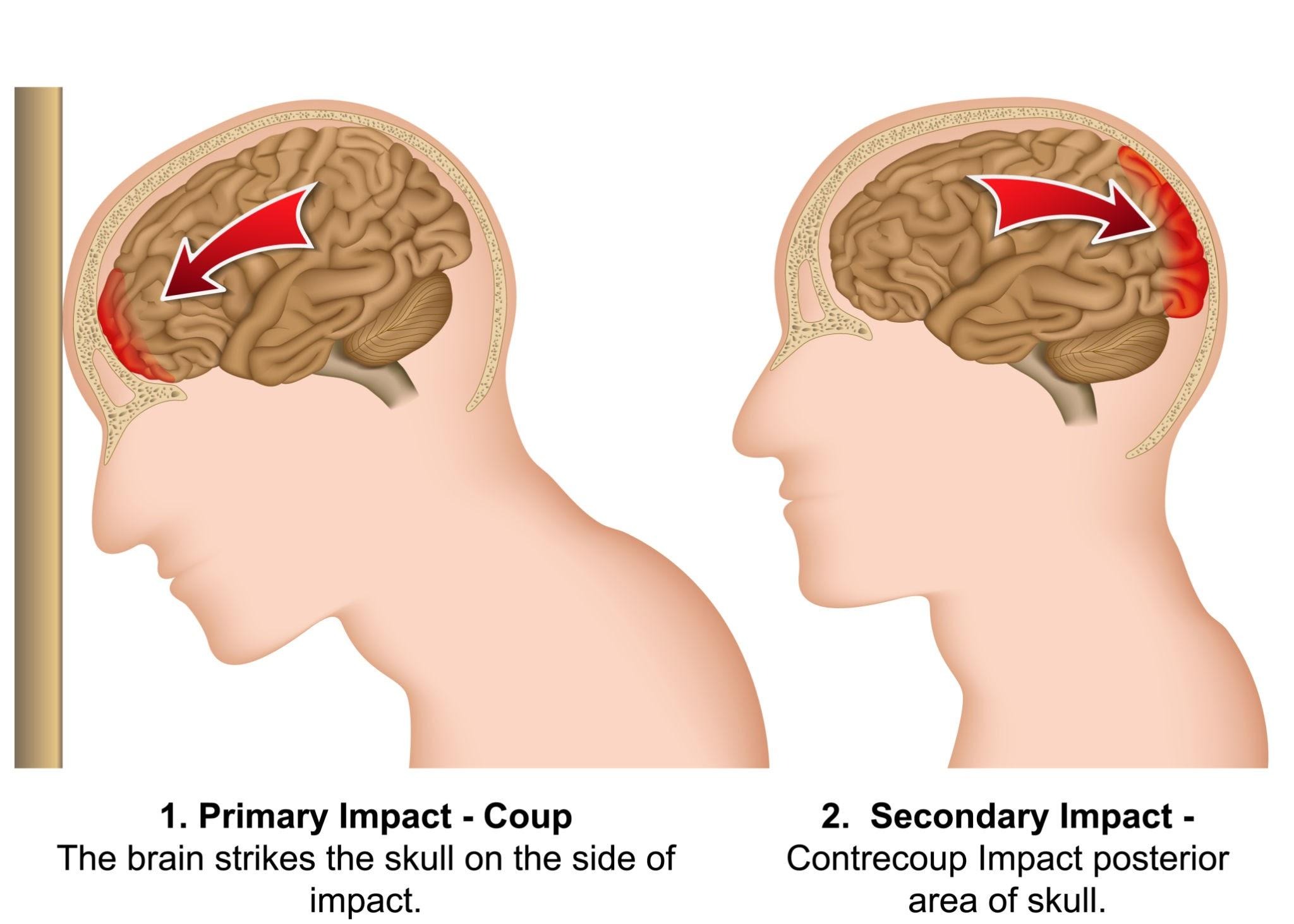
When the head stops suddenly or is struck, the brain continues to move, hitting the hard interior of the skull. This collision creates a cascade of biological events that can impair how you think, feel, and move.
A concussion is often referred to as a mild injury, but this term only describes the initial presentation of symptoms. It does not mean the injury itself is insignificant or that the recovery will be easy.
Many people who suffer a mild injury experience life-altering changes that last for months or years.
- Metabolic crisis: After a hit, the brain requires a massive amount of energy to heal, but the trauma restricts blood flow and energy delivery.
- Axonal shearing: The rapid movement of the brain can stretch and tear the long fibers that connect brain cells to one another.
- Neuroinflammation: The brain immune system reacts to the trauma by creating inflammation, which can lead to ongoing cell damage if not managed.
- Chemical imbalance: The trauma causes an immediate release of chemicals that can be toxic to brain cells when they appear in high concentrations.
Focusing on these biological changes helps doctors and lawyers demonstrate that the injury is real and physical. Identifying the specific way the brain was damaged is the first step toward securing the right treatment plan.
Why a Concussion is a Traumatic Brain Injury Even Without a Hit
You do not always have to strike your head on a steering wheel or the pavement to suffer a brain injury. The force of a sudden stop or a violent shake can cause the brain to rotate or slide within the skull.
This is common in high-speed rear-end collisions where the body is jerked forward and back with immense force.
Many people ignore the possibility of a brain injury because they do not have a bruise or a cut on their head. However, the brain's internal movement is what causes the trauma, not the external impact.
- Acceleration and deceleration: The brain is soft and sits in fluid, so it moves at a different speed than the skull during a sudden stop.
- Rotational force: When the head is turned or whipped to the side, the brain can twist, which causes deeper damage to the internal connections.
- Coup-contrecoup: This occurs when the brain hits one side of the skull and then bounces back to hit the opposite side, causing two points of injury.
- Whiplash association: Neck injuries often happen alongside concussions because the force required to damage the brain usually damages the cervical spine as well.
Recognizing that a head strike is not required allows more people to receive the medical attention they need after a wreck. Proving the mechanical force of the accident is a key part of any legal claim involving these injuries.
Common Symptoms of a Mild Traumatic Brain Injury
Symptoms of a concussion often appear in four distinct categories: physical, cognitive, emotional, and sleep related. While some people feel the effects immediately, others may notice changes days or even weeks after the initial event.
Monitoring these changes is necessary for both your health and your legal case.
A traumatic brain injury lawyer looks at these symptoms to build a narrative of how the injury has changed your daily life. If you can no longer focus on your work or find yourself becoming angry with family members, these are direct consequences of the trauma.
Documenting these shifts helps establish the human cost of the injury.
- Cognitive changes: Difficulty thinking clearly, feeling "foggy," or having trouble remembering new information are common signs of brain dysfunction.
- Physical indicators: Chronic headaches, blurred vision, dizziness, and sensitivity to light or noise often persist long after the crash.
- Emotional shifts: Increased irritability, sadness, or anxiety can indicate that the parts of the brain that regulate mood have been affected.
- Sleep disruptions: Sleeping significantly more than usual or being unable to fall asleep at night suggests the brain's internal clock is struggling.
Tracking these symptoms in a daily journal provides concrete evidence for your medical team and your attorney. This record confirms that your complaints are consistent and linked directly to the accident.
Why Some Brain Injuries Do Not Appear on Standard Scans
One of the most frustrating parts of a concussion is that standard CT scans and MRIs often come back normal. This occurs because these tests are designed to find large-scale structural issues like brain bleeds or skull fractures.
They are not sensitive enough to see the microscopic stretching of fibers or the chemical imbalances that cause concussion symptoms.
Insurance companies frequently use these negative test results to claim that a person is not actually injured. However, a normal scan only means there is no life-threatening emergency that requires immediate surgery.
It does not mean the brain is functioning correctly or that you are not suffering from an injury.
- Structural vs functional: Standard scans look at the "hardware" of the brain, while a concussion is a "software" problem that affects how the brain processes information.
- Diffusion Tensor Imaging (DTI): This specialized scan can see the microscopic damage to white matter tracts that standard MRIs miss.
- Functional MRI (fMRI): These tests measure blood flow and can show which parts of the brain are working too hard or not working at all.
- Neuropsychological testing: This battery of tests measures your brain's performance on tasks like memory and focus to prove a functional deficit exists.
Utilizing advanced diagnostic tools helps bridge the gap between your symptoms and objective medical proof. Having a legal team that understands these technologies is necessary for overcoming the "invisible injury" defense used by insurance carriers.
Recovering Compensation for a Brain Injury in Texas
Texas law allows victims of a traumatic brain injury to seek several types of damages to cover their losses. These are divided into economic damages, which cover financial costs, and non-economic damages, which cover the human impact of the injury.
A successful claim accounts for both current expenses and the costs you will face in the future.
Because brain injuries often require lifelong management, it is vital not to settle a case too early. You must understand the total cost of your future medical care and the potential loss of your career before signing any release from an insurance company.
A traumatic brain injury lawyer helps you project these costs using professional testimony.
- Economic Damages: Includes everything from the initial emergency room visit to future neurology appointments and physical therapy sessions. If a severe injury requires changes to your living space, such as soundproofing or specialized lighting, these costs are also recoverable.
- Lost Earning Capacity: If you can no longer work in your previous field or require a job with fewer responsibilities, the law allows you to recover the difference in pay.
- Non-Economic Damages (Pain and Suffering): This compensates you for the physical pain and emotional distress caused by the injury and the recovery process.
- Physical Impairment: This addresses the loss of function and the inability to engage in hobbies or activities that you enjoyed before the accident.
Seeking these damages verifies that your family is not left with the financial burden of a reckless person's mistake. Our goal is to obtain a result that provides you with the highest quality of care for as long as you need it.
Texas Laws That Influence Your Brain Injury Claim
Several specific Texas laws can affect the outcome of your personal injury case. Understanding these rules helps you manage the legal process and set realistic expectations for your recovery.
Texas follows a system that looks at the actions of all parties involved in an accident to determine how much money you receive.
- Modified comparative negligence: Texas follows a 51% bar rule, which means you can recover money as long as you are not more than 50% at fault for the accident.
- Statute of limitations: You generally have two years from the date of the injury to file a lawsuit in Texas, making it necessary to act quickly to preserve evidence.
- Proportionate responsibility: Your final award will be reduced by your percentage of fault; for example, if you are 10% at fault, you receive 90% of the award.
- Damage caps: While most car accident cases do not have caps, certain types of cases involving government entities or medical malpractice have specific limits on what you can recover.
Working with a firm that understands these local regulations verifies that your case is filed correctly and that you meet all legal deadlines. This local knowledge is a vital part of building a resilient claim against a negligent party.
FAQs: Concussions and Traumatic Brain Injuries
Is a concussion really a traumatic brain injury?
Yes, every concussion is medically classified as a mild traumatic brain injury (mTBI). While the word "mild" is used to describe the initial symptoms, the damage to brain cells is real and can have long term consequences for your cognitive health.
What if I did not lose consciousness?
You do not have to pass out to suffer a concussion. In fact, many people who experience a traumatic brain injury remain conscious but feel dazed, confused, or "see stars" immediately after the impact.
Why did my CT scan come back normal if I still have symptoms?
CT scans are designed to find large issues like brain bleeds or skull fractures. They are not sensitive enough to see the microscopic stretching of fibers or the chemical changes that cause the symptoms of a concussion.
How long does it take to recover from a concussion?
Recovery varies for everyone. While some people feel better in a few weeks, others experience symptoms for months or years, a condition known as Post-Concussion Syndrome (PCS).
Can I recover money for a mild injury?
Yes, Texas law allows you to seek compensation for any injury caused by the negligence of another. If your concussion has led to medical bills, lost wages, or a decrease in your quality of life, you may be entitled to under the law recover those damages.
Taking Ownership of Your Future After a Brain Injury
Familiarizing yourself with the link between concussions and brain trauma is the first step toward protecting your health and your financial stability.
While a brain injury is a frightening and complex experience, having the right medical and legal support provides a path forward. Every situation has unique factors, such as the force of the impact and your medical history, that can change the outcome of your case.
What would it mean for your recovery to have experienced legal guidance through this process?
Contact Cowen Law Car & Truck Accident Lawyers to discuss the details of your case.
Call us at (210) 941-1306 for a free consultation or contact us below. No cost to you unless we win.