An underride truck accident is not a routine rear-end or side-impact collision. The height difference between a passenger vehicle and a commercial trailer can allow the car’s safety structure to pass beneath the truck.
Cowen | Rodriguez | Peacock investigates why the vehicles collided and why the truck failed to prevent underride. We preserve the trailer, impact guard, electronic data, maintenance records, photographs, video, and company files before the carrier repairs or returns the equipment to service.
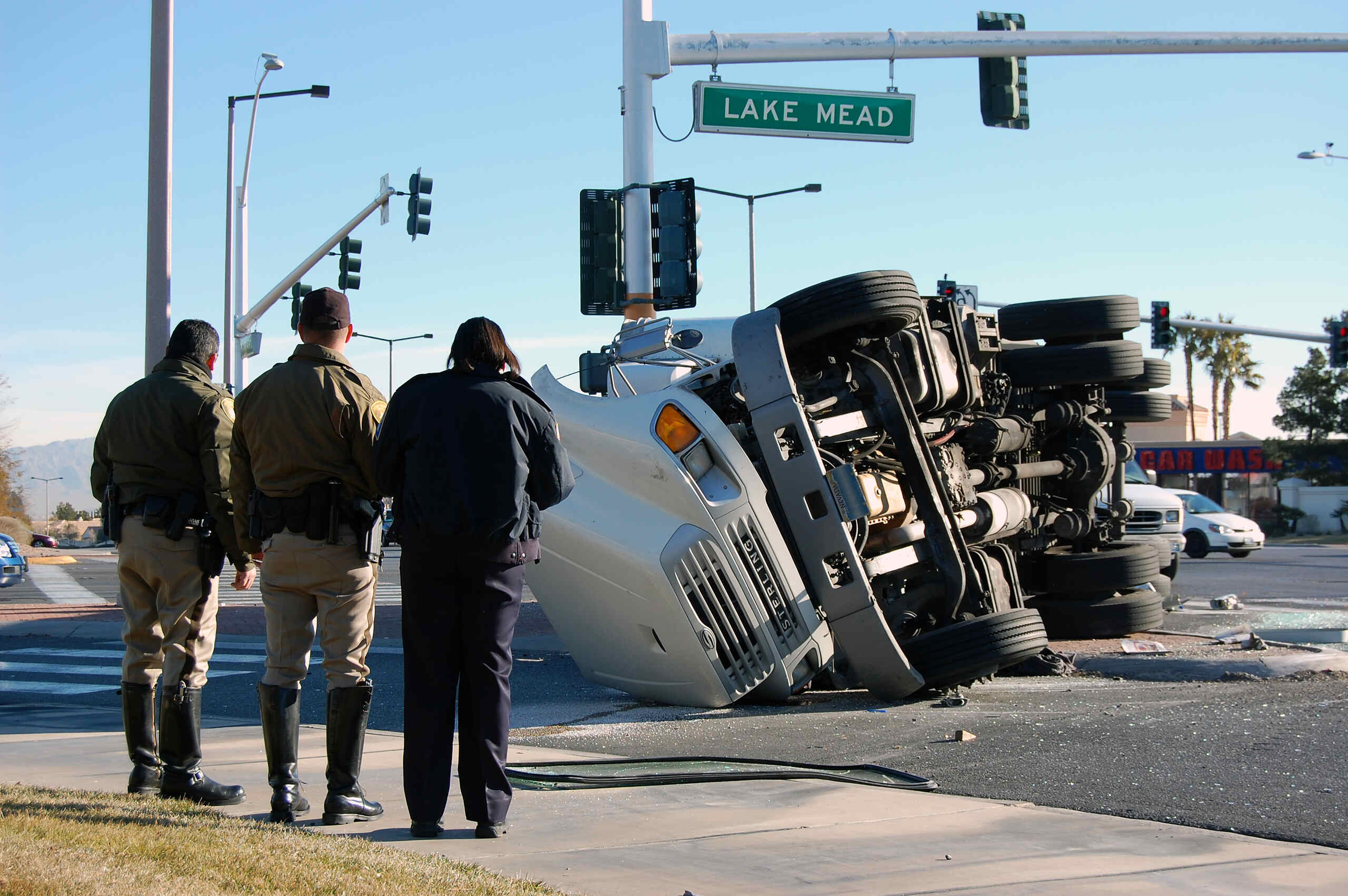
Why Underride Crashes Require a Deeper Investigation
- Underride occurs when part of a passenger vehicle travels beneath a truck or trailer.
- Rear underride guards are intended to prevent smaller vehicles from sliding too far beneath many trailers.
- Side underride can occur when a vehicle enters the open space between a trailer’s axles.
- Driver negligence, a damaged guard, poor maintenance, trailer design, or several combined failures can cause the crash.
- Compliance with a minimum federal standard does not automatically prove the truck or trailer was reasonably safe.
- The trailer and guard must be preserved before repairs or disposal destroy the strongest evidence.
What makes an underride truck accident different from other crashes?
An underride accident occurs when a smaller vehicle slides beneath a truck or trailer, allowing the commercial vehicle to enter the passenger compartment and turning a survivable collision into a catastrophic or fatal event.
What Is an Underride Truck Accident?
An underride truck accident happens when a smaller vehicle travels underneath part of a commercial truck or trailer. The trailer can bypass the car’s primary crash-protection structures and enter the occupied area of the vehicle.
The National Highway Traffic Safety Administration’s truck underride resources address rear and side underride events, guard performance, crash characteristics, and ongoing safety research.
Rear Underride Crashes
A rear underride crash occurs when a passenger vehicle strikes the back of a trailer and travels underneath it. These crashes often happen when a truck slows, stops, or enters traffic without giving an approaching driver enough time to react.
Possible causes include:
- A truck stopping in a travel lane
- A trailer moving slowly at night
- Missing or poorly maintained lights
- A driver following the truck too closely
- A truck entering the highway from a shoulder or driveway
- Sudden congestion
- A trailer parked partly in the road
- A rear impact guard that fails during the collision
The driver of the passenger vehicle is not automatically at fault because the impact occurred at the rear of the trailer. The truck driver’s visibility, speed, lighting, road position, and reason for stopping must also be investigated.
Side Underride Crashes
A side underride crash occurs when a vehicle travels beneath the side of a trailer, often in the open space between the tractor and trailer wheels. The trailer can pass over a large portion of the smaller vehicle before the collision stops.
Side underride can result when a truck driver:
- Turns left across traffic
- Makes a wide right turn
- Pulls from a driveway
- Attempts a U-turn
- Blocks several lanes
- Jackknifes across the road
- Reverses into traffic
- Fails to yield at an intersection
Federal safety work has historically focused more heavily on rear protection. NHTSA has continued research and rulemaking activity concerning side underride guards rather than treating side underride as a solved safety problem. (NHTSA)
Why Are Underride Truck Accidents So Dangerous?
Underride crashes are uniquely dangerous because the smaller vehicle can travel beneath the truck before its strongest safety systems manage the impact. The height mismatch changes where the force enters the passenger vehicle.
The Trailer Can Bypass the Car’s Protective Structure
Passenger vehicles are designed to manage crash forces through structures located at specific heights. A tall trailer can pass above those areas and strike closer to the windshield, roof, or occupied compartment.
Airbags, seat belts, and reinforced vehicle structures cannot provide their intended protection when the collision occurs outside the areas they were designed to manage.
This is why an underride crash can become catastrophic even when the passenger vehicle was not traveling at an extreme speed.
The Truck May Be Difficult to See in Time
A trailer crossing or occupying the roadway can become difficult to identify at night, in rain, or where street lighting is limited. The risk increases when required lamps or reflective materials are dirty, damaged, missing, or obscured.
Investigators must examine:
- Trailer lights and reflective tape
- Roadway lighting
- Weather and visibility
- The trailer’s angle across the road
- Nearby signs and visual obstructions
- Whether other traffic blocked the trailer from view
- The truck driver’s use of hazard lights or warning devices
A carrier may claim that the approaching driver should have seen the trailer. Photographs, video, sight-distance measurements, and lighting analysis can test whether that was realistic.
A Guard Can Be Present and Still Fail
The presence of a rear impact guard does not end the investigation. A guard can be bent, rusted, improperly repaired, poorly attached, positioned incorrectly, or too weak to perform during the actual impact.
The crash may also involve an offset impact near one side of the trailer rather than a direct hit near the center. The guard’s condition, attachment points, deformation, and interaction with the passenger vehicle must be examined.
What Federal Rules Apply to Rear Underride Guards?
Federal standards establish requirements for rear impact guards on many trailers and semitrailers. Separate motor-carrier rules address the condition and inspection of guards already in service.
NHTSA updated federal rear underride protection standards in 2022 to require stronger guards capable of protecting occupants in additional crash configurations. The rule amended Federal Motor Vehicle Safety Standards 223 and 224.
Rear Guards Must Meet Specific Requirements
Federal standards address matters such as guard strength, energy absorption, width, ground clearance, and placement near the rear of the trailer.
Most trailers and semitrailers within the covered categories must have compliant rear protection. Some vehicle designs and uses can qualify for exclusions, making the trailer’s type, weight, manufacture date, and configuration important.
A carrier cannot simply state that a trailer was exempt. The equipment must be examined against the actual requirements and any claimed exclusion.
Rear Guards Are Part of the Annual Inspection
Rear impact guards are included among the components that must be examined during required commercial vehicle inspections. FMCSA added them to the annual inspection requirements so guard condition would receive direct attention rather than being treated as an optional review.
An inspection should identify problems involving:
- Missing guard components
- Loose or damaged attachments
- Excessive corrosion
- Improper repairs
- Bent horizontal members
- Incorrect height or placement
- Damage from an earlier collision
- A configuration that no longer matches the trailer
An inspection record stating that the trailer passed does not conclusively prove the inspection was performed correctly.
How Do Attorneys Prove Fault in an Underride Crash?
Fault is proved by reconstructing the vehicle movements and examining why the truck’s protective systems failed. The trailer and impact guard are central pieces of evidence, not ordinary property to be repaired immediately.
Preserve the Truck, Trailer, and Impact Guard
The carrier may want to repair the guard, sell the trailer, or return it to service. Any of those actions can alter critical evidence.
A preservation demand should cover:
- The tractor and trailer
- The complete rear impact guard
- Broken or separated guard components
- Lights and reflective materials
- Electronic truck data
- Driver logs and dispatch records
- Inspection and maintenance files
- Photographs taken by the carrier
- Tow-yard and repair records
- In-cab and outward-facing video
The guard should be documented before anyone straightens, cuts, welds, removes, or replaces it.
Reconstruct the Entire Collision Sequence
Vehicle damage alone does not explain why the vehicles came together. The reconstruction must address the truck driver’s actions, the passenger vehicle’s approach, visibility, speed, braking, and the guard’s performance.
Useful evidence includes:
- Event data from both vehicles
- Dashcam and surveillance video
- Skid marks and debris
- Resting positions
- Roadway measurements
- Witness statements
- Signal timing
- Weather and lighting
- Photographs of guard deformation
- Marks beneath the trailer
This evidence can show whether the truck crossed the road without enough clearance, stopped unsafely, lacked visible lighting, or carried a defective guard.
Can Several Parties Share Fault?
Yes. Texas can divide fault among the truck driver, motor carrier, maintenance provider, manufacturer, another driver, and the injured claimant.
The Texas proportionate-responsibility statute allows recovery when an injured claimant is no more than 50 percent responsible. The compensation is reduced by the percentage assigned to that person.
A carrier may blame the passenger-vehicle driver for speed, distraction, or following distance. Those claims must be tested against visibility, truck movement, lighting, electronic data, and the condition of the guard.
What Compensation Is Available After an Underride Crash?
Compensation can include every financial and personal loss caused by the collision. Underride cases frequently involve permanent consequences, future expenses, and losses extending far beyond the first hospital bill.
Recoverable damages can include:
- Medical expenses
- Future care
- Lost wages
- Reduced earning capacity
- Physical pain
- Mental anguish
- Physical impairment
- Disfigurement
- Property damage
- Wrongful death losses
- Losses belonging to the deceased person’s estate
Exemplary damages may become available when clear and convincing evidence proves gross negligence. Evidence that a company knowingly kept a severely damaged guard in service or repeatedly ignored the same safety problem can become important to that claim.
What Should Families Protect in the Days and Weeks After the Crash?
The days and weeks after an underride collision should focus on preserving information and preventing the carrier from changing the physical evidence.
Consider keeping:
- Photographs and videos
- Witness information
- Medical and wage records
- Insurance correspondence
- Towing and vehicle documents
- Information identifying the tractor and trailer
- Notes about lighting and visibility
- Copies of available crash reports
Do not rely on the trucking company to preserve the guard voluntarily. The carrier’s investigators answer to the company and its insurer.
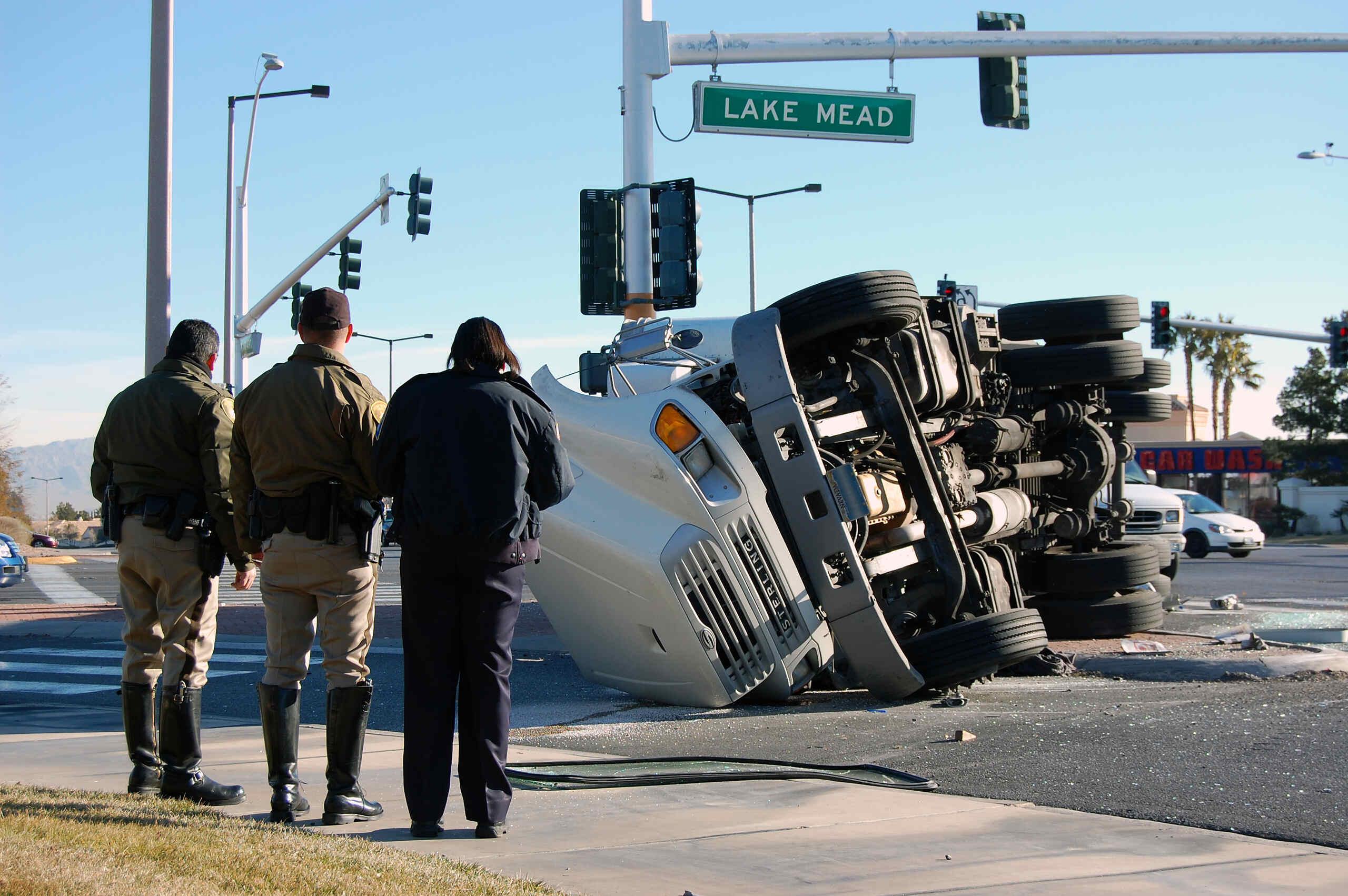
Texas Underride Truck Accident Questions Answered by Our Attorneys
Is the car driver always at fault in a rear underride crash?
No. The truck driver may have stopped unsafely, entered traffic without enough room, blocked the road, or operated a poorly lit trailer. A defective or damaged rear guard can also contribute to the severity of the crash.
Are all trailers required to have rear underride guards?
No. Federal standards cover many trailers and semitrailers, but certain designs and categories can qualify for exclusions. The trailer must be examined to determine whether an exclusion truly applied.
Are side underride guards federally required?
Federal standards contain established rear impact protection requirements, while side underride protection has remained the subject of federal research, advisory work, and rulemaking consideration. The absence of a broad side-guard mandate does not excuse negligent driving or other unsafe conduct.
Can a maintenance company be sued for a failed underride guard?
Yes. A maintenance or inspection company can be liable when careless work allows a dangerous guard to remain in service and that failure contributes to the injuries.
How long do you have to file an underride accident lawsuit in Texas?
Texas Civil Practice and Remedies Code Section 16.003 generally allows two years to file a personal injury lawsuit. Evidence involving the trailer, guard, and electronic systems can disappear much sooner.
Look Beneath the Carrier’s Explanation
An underride crash is not fully explained by saying one vehicle hit another. The investigation must determine why the truck blocked the vehicle’s path, whether it was visible, whether its safety equipment complied with the rules, and why the guard failed to prevent intrusion.
Cowen | Rodriguez | Peacock, The Trucking Trial Lawyers, preserves the trailer, examines the guard, investigates the carrier, and prepares serious truck accident cases for trial from the beginning.
Call Cowen | Rodriguez | Peacock at (210) 941-1301 for a free consultation. We are available 24/7, and there is No Cost to You unless we win.