San Antonio bicycle accidents do not occur at random. They cluster where high vehicle speeds, complicated intersections, turning traffic, driveways, and gaps in bicycle infrastructure place riders directly in a driver’s path.
Cowen | Rodriguez | Peacock examines the road design and driver conduct behind each serious bicycle crash. We secure video, vehicle data, phone records, witness accounts, and roadway evidence before insurers reduce the collision to an unsupported claim that the cyclist “came out of nowhere.”
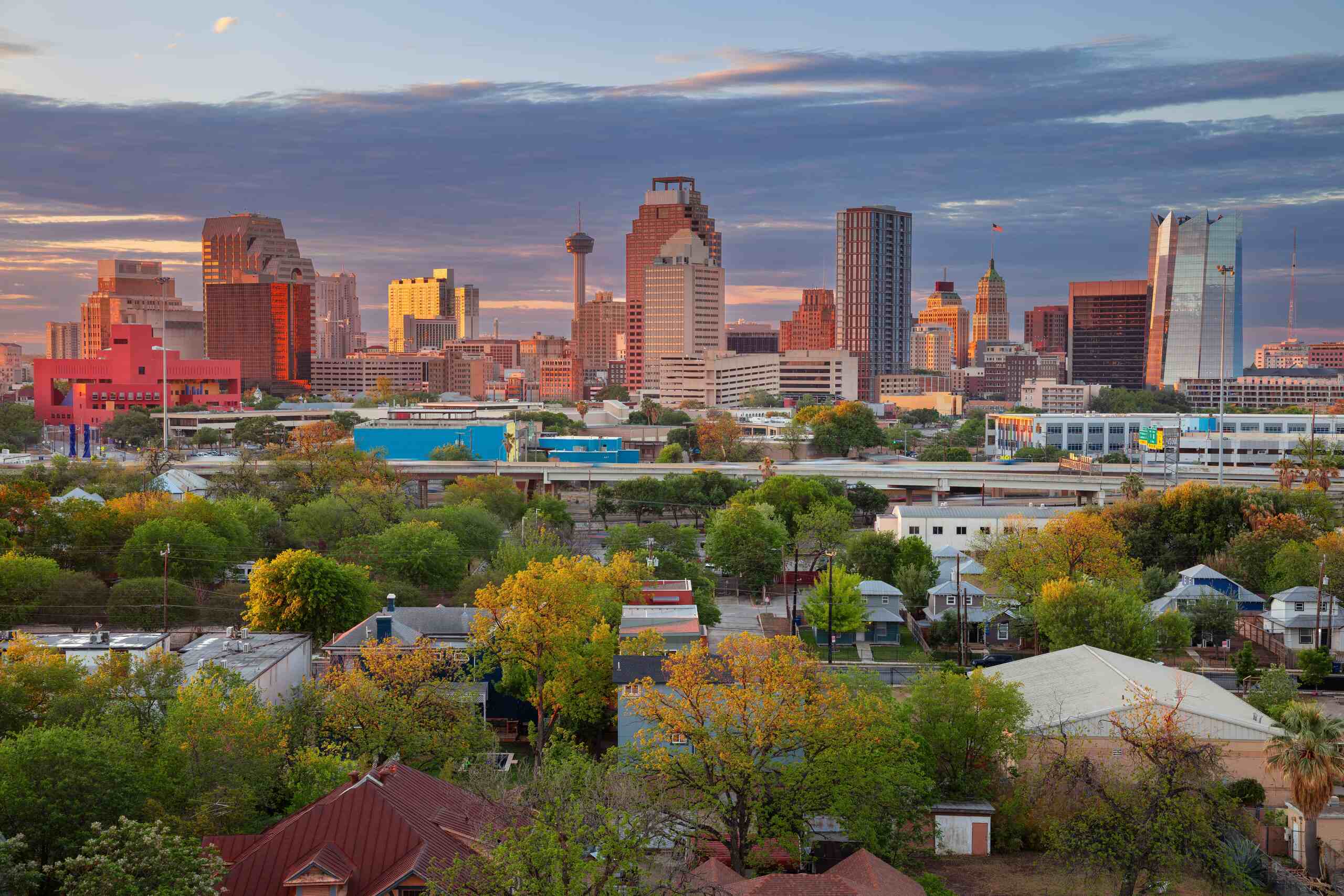
Routes and Risks San Antonio Cyclists Should Know
- Downtown San Antonio has historically recorded the city’s highest concentration of bicycle crashes.
- Published crash analysis has identified recurring collisions near Houston and St. Mary’s, Market and Alamo, Commerce and Zarzamora, Fredericksburg and San Pedro, and Broadway and Ashby.
- Wide roads, high speeds, frequent driveways, and complicated turns increase the risk of severe bicycle collisions.
- A road’s inclusion on a historical crash list does not mean every segment is equally dangerous or that newer safety improvements have had no effect.
- Drivers, employers, rideshare companies, vehicle owners, and other parties can share liability when their conduct causes a bicycle crash.
Which San Antonio roads are most dangerous for cyclists?
Downtown streets and major corridors such as Commerce, Houston, Market, Fredericksburg, Broadway, Zarzamora, and San Pedro have recorded recurring bicycle crashes, especially at busy intersections with turning traffic and limited separation between bikes and vehicles.
How Were San Antonio’s Bicycle Accident Hotspots Identified?
San Antonio uses crash data to identify streets where severe and fatal collisions occur more often. That data helps transportation officials direct safety funding and helps riders understand where vehicle conflicts demand greater attention.
The High-Injury Network Tracks Severe Crashes
The City of San Antonio High-Injury Network dashboard maps the small portion of city streets where a disproportionate share of serious and fatal crashes occur. The dashboard allows users to examine patterns affecting drivers, pedestrians, and bicyclists.
A High-Injury Network does not predict where the next crash will happen. It shows where past collisions have exposed repeated safety problems.
Published Research Identified Recurring Bicycle Crash Locations
A peer-reviewed analysis of San Antonio bicycle-motor vehicle crashes found that downtown San Antonio had the city’s highest bicycle crash density during the study period.
The researchers also identified several intersections with repeated bicycle collisions, including:
- East Houston Street and North St. Mary’s Street
- East Market Street and North Alamo Street
- West Commerce Street and Zarzamora Street
- Fredericksburg Road and San Pedro Avenue
- Broadway and West Ashby Place
These findings describe a historical study period, not a permanent ranking. Construction, signal changes, bicycle facilities, traffic volume, and nearby development can alter risk over time.
Which Roads and Intersections Demand Extra Attention?
The most dangerous intersections for cyclists in San Antonio tend to combine heavy traffic with frequent turns and limited space. Each location presents a different type of conflict.
| Road or Intersection | Main Bicycle Conflict | Evidence That Matters After a Crash |
| East Houston Street and North St. Mary’s Street | Dense downtown traffic, turning vehicles, buses, and pedestrians | Business video, traffic cameras, signal timing, and witness accounts |
| East Market Street and North Alamo Street | Event traffic, hotels, loading activity, and frequent turning movements | Hotel video, rideshare data, vehicle records, and photographs |
| West Commerce Street and Zarzamora Street | Wide roadway, multiple lanes, turning traffic, and driveway access | Vehicle data, phone records, signal information, and scene measurements |
| Fredericksburg Road and San Pedro Avenue | Complicated road geometry, commercial traffic, and merging vehicles | Dashcam footage, traffic patterns, vehicle positions, and witness statements |
| Broadway and West Ashby Place | Through traffic mixed with neighborhood, business, and bicycle activity | Nearby cameras, lane markings, driver statements, and impact evidence |
| Downtown street network | Closely spaced intersections, buses, parked vehicles, and delivery activity | Door position, loading records, surveillance video, and rideshare information |
Downtown San Antonio Creates Frequent Conflict Points
Downtown streets place cyclists beside buses, rideshare vehicles, delivery trucks, tourists, parked cars, and drivers searching for unfamiliar destinations. Each block can introduce another driveway, intersection, loading area, or turning movement.
A cyclist can be visible for several seconds and still be overlooked by a driver focused on navigation, parking, or cross traffic.
Commerce and Houston Carry Heavy Cross-Town Traffic
Commerce and Houston connect downtown with neighborhoods and commercial areas to the east and west. Riders encounter multilane sections, buses, driveways, intersections, and vehicles turning across their path.
A driver who overtakes a cyclist and immediately turns right can cause a “right-hook” crash. A left-turning driver can also strike a cyclist approaching from the opposite direction.
Fredericksburg and San Pedro Combine Several Traffic Patterns
Fredericksburg Road and San Pedro Avenue carry commuters, public transportation, commercial vehicles, and neighborhood traffic. Merging lanes and turning movements can place cyclists in areas drivers fail to check carefully.
A driver’s statement that the bicycle was in a “blind spot” does not end the investigation. We examine whether the driver maintained a proper lookout before changing lanes or turning.
Broadway Mixes Through Traffic With Local Activity
Broadway passes businesses, neighborhoods, cultural destinations, and areas with regular bicycle activity. Drivers enter and leave parking lots, turn across bicycle routes, and open doors beside moving traffic.
The risk changes from block to block. Bicycle facilities, parked vehicles, construction, and traffic speed all influence the space available to a rider.
Why Are Some San Antonio Roads More Dangerous for Cyclists?
Roads become more dangerous when design and driver behavior repeatedly create conflicts. A cyclist has little protection when a driver speeds, turns without looking, or passes without enough room.
Vehicle Speed Determines the Force of Impact
Higher speed gives a driver less time to identify a cyclist and increases the force of a collision. A wide road can encourage drivers to travel faster even when businesses, intersections, and bicycle activity call for greater caution.
Speed becomes especially dangerous when a driver:
- Approaches an intersection too quickly
- Passes a cyclist before turning
- Accelerates through a yellow light
- Fails to adjust for darkness or rain
- Drives too fast to stop within the visible road
Turning Drivers Often Look in Only One Direction
A driver turning right may focus on vehicles approaching from the left and never check for a cyclist on the right. A left-turning driver may watch for cars while overlooking a smaller bicycle approaching in the opposite lane.
These collisions often occur at:
- Signal-controlled intersections
- Shopping center entrances
- Apartment driveways
- Parking garage exits
- Gas stations
- Hotel and event drop-off areas
Video and vehicle position can show whether the cyclist remained visible before impact.
Bicycle Lane Gaps Force Riders Into Changing Traffic Conditions
A bicycle lane that ends abruptly can force a rider to merge with faster traffic. Construction, parked vehicles, debris, and delivery activity can also block the designated riding area.
The cyclist’s movement must be evaluated in context. Insurers cannot fairly label a lane change “unsafe” without examining why the rider moved and whether the driver had time to respond.
Parked Vehicles Create Door and Visibility Hazards
A driver or passenger can open a vehicle door into a cyclist’s path. Parked vehicles can also block the view between cyclists and drivers entering an intersection or driveway.
Dooring crashes can throw a cyclist into traffic even when the moving vehicle never touches the bicycle.
What Rights Do Cyclists Have on San Antonio Roads?
Texas cyclists have the right to use public roads while following bicycle-specific traffic requirements. Drivers must treat a person on a bicycle as a lawful road user, not an obstacle with fewer protections.
Bicyclists Generally Have the Rights of Vehicle Operators
Texas Transportation Code Chapter 551 generally gives a person operating a bicycle the rights and duties that apply to drivers, except when a rule cannot logically apply or a bicycle-specific provision controls.
That means a cyclist’s presence in the roadway is not evidence of negligence by itself.
Cyclists Can Leave the Far-Right Position When Conditions Require It
A rider may need to move left to avoid:
- Parked vehicles
- Opening doors
- Road debris
- Drainage grates
- Potholes
- Construction
- A narrow lane
- A vehicle preparing to turn
The complete roadway condition matters when an insurer argues that the cyclist should have been farther right.
A Traffic Violation Does Not Automatically Eliminate a Claim
A cyclist who violated a traffic rule can share responsibility, but the driver’s conduct must still be examined. Texas uses proportionate responsibility, which allows recovery when the injured person is not more than 50 percent at fault.
An insurer may argue that the cyclist ignored a signal, lacked lighting, or changed position unexpectedly. We test those claims against video, witness testimony, physical evidence, and the driver’s opportunity to avoid the crash.
Who Can Be Liable for a San Antonio Bicycle Accident?
The driver is often the primary defendant, but serious bicycle accidents can involve employers, rideshare companies, vehicle owners, and commercial insurers.
A Negligent Driver
Driver negligence can include:
- Speeding
- Distracted driving
- Unsafe passing
- Failure to yield
- Opening a door into traffic
- Turning across a cyclist’s path
- Running a light or stop sign
- Driving while impaired
- Failing to keep a proper lookout
A driver does not escape responsibility by saying the cyclist was hard to see. The investigation determines whether the cyclist was visible and whether a careful driver would have responded in time.
An Employer or Commercial Vehicle Company
An employer can share liability when an employee hits a cyclist while performing assigned work. Delivery services, contractors, sales employees, buses, and other commercial operations can bring business insurance into the claim.
We examine work assignments, dispatch information, company policies, driver history, and electronic records.
A Rideshare Driver and Applicable Insurer
Uber and Lyft coverage depends on the driver’s app status and trip activity. App records can establish whether the driver was waiting for a request, traveling to a passenger, or completing a ride.
The personal insurer and rideshare insurer may dispute which policy controls. We pursue the records needed to resolve that issue.
What Should Injured Cyclists Protect in the Following Days and Weeks?
The days and weeks after a San Antonio bicycle accident should focus on medical follow-up, documentation, and preserving the bicycle and available records. Insurance companies use missing evidence to dispute both fault and damages.
Keep the Bicycle and Equipment Unchanged
Do not repair, sell, or discard the bicycle before it can be documented. Preserve the helmet, clothing, lights, bags, damaged electronics, and other equipment from the ride.
These items can reveal impact points and counter claims about visibility.
Organize Records That Show the Full Loss
Consider saving:
- Medical bills and appointment records
- Wage and missed-work information
- Bicycle purchase and repair documents
- Photographs of damaged property
- Insurance letters and emails
- Transportation expenses
- Fitness-app route data
- Notes about activities the injuries prevent
Cowen | Rodriguez | Peacock uses these records to connect the collision to the client’s financial losses and changes in daily life.

San Antonio Bicycle Accident Questions Answered by Our Attorneys
Can I file a claim if there was no bicycle lane?
Yes. A bicycle lane is not required for a cyclist to have legal rights on the roadway. Fault depends on how the collision occurred and whether the driver and cyclist followed the duties that applied.
What if the driver says I was in a blind spot?
A blind spot does not automatically excuse the driver. Video, mirrors, vehicle position, road geometry, and the amount of time the cyclist was visible can establish whether the driver failed to check before turning or changing lanes.
Can I recover if a parked driver opened a door into me?
Yes. A driver or passenger can be liable for opening a door when doing so is unsafe. Vehicle position, door damage, witness accounts, and nearby video can prove how the collision occurred.
What if the vehicle left the scene?
A hit-and-run cyclist can still have options. Video, witnesses, vehicle debris, license plate information, and uninsured motorist coverage may help identify a source of compensation.
How long do I have to file a Texas bicycle accident lawsuit?
Texas generally gives an injured person two years to file a personal injury lawsuit. Shorter notice requirements can apply in some cases, and important video or electronic evidence can disappear much sooner.
Riding through San Antonio’s busiest streets is risky enough, but sharing your recovery online can prove even more dangerous for your cycling injury claim.
The Road Should Not Decide the Rest of Your Life
A dangerous corridor increases the risk, but driver conduct and evidence determine legal responsibility. The strongest case identifies what the driver did, why the road created a conflict, and how the collision changed the cyclist’s future.
Cowen | Rodriguez | Peacock investigates serious bicycle accidents throughout San Antonio. Clients speak directly with a San Antonio bicycle accident attorney, and we prepare cases for trial when an insurer refuses full accountability.
Call Cowen | Rodriguez | Peacock at (210) 941-1301 for a free consultation. We are available 24/7, and there is No Cost to You unless we win.