When an Uber ride turns into an emergency room visit, the confusion that follows can be hard to sort through. Who pays the bills? Who’s legally responsible? Can you hold Uber accountable, or is the driver the only one who can be sued?
If you were injured in a rideshare crash in San Antonio, these questions aren’t just theoretical. They shape your physical recovery, your financial situation, and your next steps. An experienced Texas Uber accident lawyer can help you navigate these issues and protect your rights.
If your Uber crash happened on I-10 near the Dominion, Broadway Street near the Pearl, at the curb outside North Star Mall, or anywhere else in the Alamo City, your case deserves serious attention from someone who knows how Uber crash claims work.
If you're thinking about suing Uber after a crash in San Antonio, you need more than general advice. You need clarity about how Texas law treats Uber accidents and what options you have when medical bills are piling up and no one’s giving you straight answers.
Schedule A Free Case Consultation
Key Takeaways
- Uber drivers in Texas are considered independent contractors, which makes direct lawsuits against Uber more complex.
- Uber’s insurance coverage depends on the driver’s activity at the time of the crash, with the highest coverage available when a trip is in progress.
- Texas law allows claims against Uber for negligent hiring or supervision if the driver had a troubling history Uber ignored.
- The two-year deadline under Texas Civil Practice & Remedies Code §16.003 limits how long you have to file a lawsuit.
- Multiple parties can be legally responsible, including the driver, Uber, or other motorists.
- Common injuries include TBIs, spinal damage, broken bones, and emotional trauma, even from seemingly minor crashes.
- A qualified personal injury attorney can identify liability, secure records from Uber, and fight for full and fair compensation.
How Uber Accidents Are Different From Regular Car Wrecks
Uber accident claims are different from other car accident claims because they involve a third layer of liability. In a typical car accident, you deal with the other driver and their insurance. With Uber, there’s the driver, Uber’s insurance policy, and the company’s policies about when and how that coverage kicks in.
Uber drivers are independent contractors, not employees
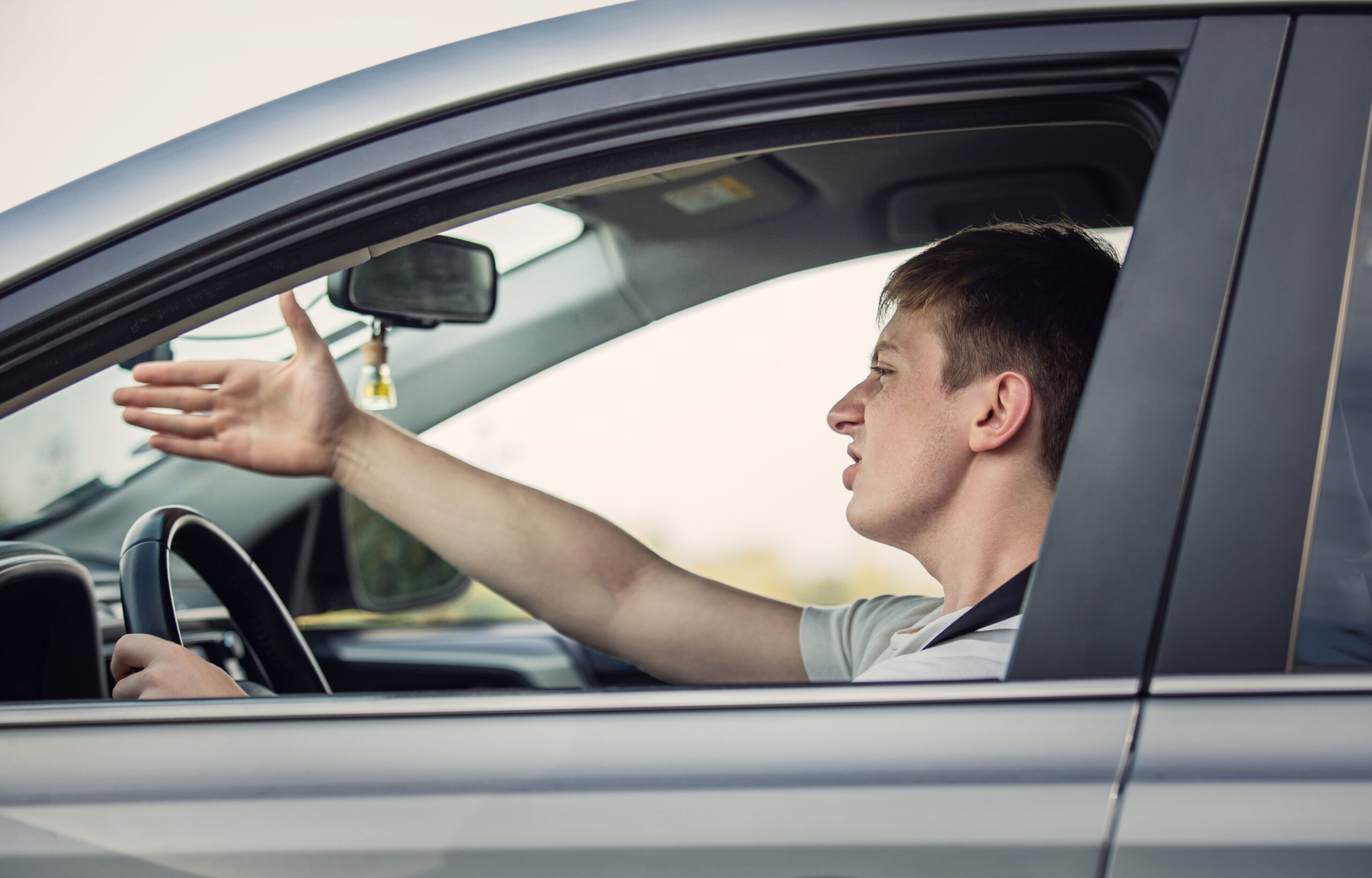
If you were in an Uber that crashed or you were hit by one, Uber may try to avoid legal responsibility by saying the driver acted independently. That’s a common defense. But it’s not the end of the story. Texas courts have examined this issue in other gig economy cases and held companies accountable when they exercised too much control over how drivers operate.
Insurance depends on the driver’s status at the time of the crash
What the Uber driver was doing at the moment of the crash determines what insurance policy applies.
- App off: The driver’s personal insurance applies.
- App on, no ride accepted: Uber provides limited liability coverage (at least $50,000 per person/$100,000 per accident).
- En route or trip in progress: Uber provides $1 million in liability coverage, along with uninsured/underinsured motorist protection.
If you were seriously injured, identifying which phase the driver was in is critical. A good legal team can subpoena records from Uber to determine this.
Why Suing Uber Directly Is Complicated but Not Impossible
Uber has designed its business to shield itself from liability. But in serious injury cases, there are still paths to holding them accountable.
When can Uber be held liable?
If Uber knew or should have known that a driver had a history of reckless behavior, poor driving records, or criminal activity and let them drive anyway, they could be held liable for negligent hiring. Texas law allows claims against companies that fail to screen workers properly, even independent contractors.
You may also have a claim for negligent supervision if Uber ignored red flags after complaints or prior incidents involving the driver.
You may have a case against multiple parties
Depending on the details, your legal claim could involve:
- The Uber driver
- Uber’s insurance policy
- Another driver who caused or contributed to the crash
- A third-party vehicle manufacturer (in cases of mechanical failure)
In a city like San Antonio, with its busy downtown and fast-moving highways, a single Uber crash can quickly become a legal tangle involving multiple parties.
Texas Laws That Impact Uber Accident Claims
Uber crash cases aren’t handled the same way in every state. In Texas, a few specific laws shape what your case might look like.
Texas uses modified comparative fault
Texas follows a 51% bar rule under Civil Practice and Remedies Code §33.001. If you are found to be 51% or more at fault, you cannot recover compensation. If you are 50% or less at fault, your compensation is reduced by your percentage of fault. This matters if you were a passenger in an Uber or a pedestrian hit by an Uber driver. The at-fault parties may allege that you were at least partly to blame for the accident in an effort to reduce their liability and the compensation they owe you.
Two-year statute of limitations
You typically have two years from the date of the crash to file a lawsuit. That deadline is firm under the Texas Civil Practice & Remedies Code §16.003, and waiting too long can mean losing your right to recover anything, no matter how strong your case is.
Damage caps don’t apply in most Uber crash cases
Texas does not cap damages in most personal injury claims involving private companies like Uber. However, if your claim includes punitive damages—say, for gross negligence—there are caps on those. Economic and non-economic damages (like medical bills and pain and suffering) are not limited by law.
Common Injuries in Uber Accidents
Even at low speeds, rideshare accidents can leave victims with injuries that don’t show up right away but end up being severe. Many clients in San Antonio report feeling fine after the crash, only to wake up the next day in serious pain.
These are some of the most common injuries we see:
- Concussions and traumatic brain injuries (especially from side impacts)
- Whiplash and soft tissue injuries
- Fractured ribs, wrists, and facial bones
- Herniated discs and spinal trauma
- Cuts and bruises from broken glass
- Post-traumatic stress, especially in passengers and pedestrians
Don’t assume you’re okay just because you walked away. Delayed symptoms are very common, and early documentation matters in any injury claim.
Why Uber Accidents Happen So Often in San Antonio
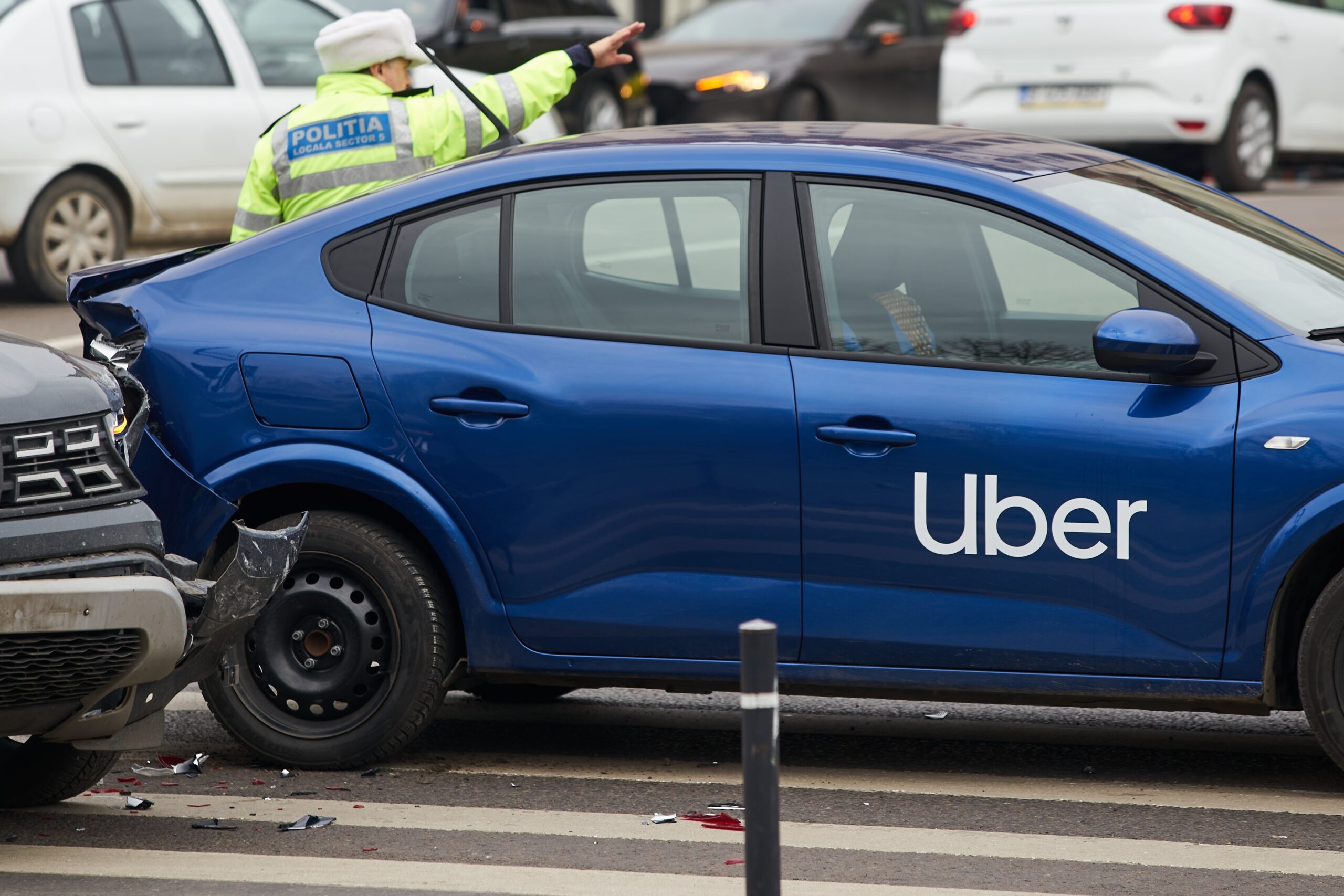
San Antonio's rapid growth has brought more rideshare activity to every corner of the city, from airport pickups at SAT to weekend drop-offs along the River Walk. But with more cars on the road, more distractions, and more traffic, serious crashes involving Uber vehicles have become more common.
Some areas tend to see more Uber accidents than others, especially where traffic volume is high and road design is challenging. Common risk zones for Uber-related crashes in San Antonio include:
- Loop 1604 and I-35 interchanges: Heavy congestion and fast speeds often lead to rear-end or multi-vehicle collisions.
- Downtown near the Alamodome and Frost Bank Center: Tourists and event traffic increase the chances of sudden stops and unpredictable driver behavior.
- Medical Center area around Babcock and Wurzbach: Frequent pickups and drop-offs near hospitals and offices add risk, especially during peak hours.
- North Star Mall and La Cantera: Shopping traffic plus a high density of pedestrians and rideshare users create dangerous mix zones.
- San Antonio International Airport: Designated rideshare lanes help, but unfamiliar drivers and rushed passengers often lead to fender benders and side-swipe incidents.
San Antonio is also a city with a large volume of delivery vans, freight haulers, and commercial vehicles sharing the road with Uber drivers. That adds another layer of risk for serious, high-impact crashes.
How a Personal Injury Lawyer Helps After an Uber Crash
If you were injured in an Uber crash in San Antonio, you’re probably being contacted by multiple insurance adjusters. Each has their own angle and goals—none of which are focused on your recovery. This is where legal representation makes a difference. When you secure legal representation:
Lawyers deal with Uber’s insurance, not you
Uber and their insurance partners are known for making things complicated. Getting access to the driver’s records, app logs, and insurance details often requires formal legal action. An experienced lawyer knows exactly how to do this without delay.
A lawyer will determine who is financially responsible
Identifying all sources of liability helps increase the available compensation. Your lawyer can determine whether Uber, another driver, or even the rideshare app’s contractors played a role in the crash.
Legal teams gather and preserve critical evidence
Uber accidents often involve multiple vehicles, apps, or commercial services. Evidence disappears fast. Your lawyer can quickly send preservation letters, request video footage, and track down witnesses while the facts are still fresh.
Experienced injury lawyers in Texas know how to calculate full damages
It’s not just about current medical bills. A full claim includes pain and suffering, lost wages, reduced earning capacity, future medical care, and more. Lawyers also hire experts to support claims for traumatic brain injuries, spine damage, and other long-term effects.
What to Expect From the Insurance Companies
After a crash, you’ll hear from at least one insurance company, and possibly several. If you were a passenger, expect Uber’s adjusters to ask for recorded statements and quick settlements.
Be cautious about early offers
Early offers often leave out future medical costs, lost income, or less-visible impacts like post-traumatic stress. Once you accept, you usually can’t go back and ask for more. That’s why speaking to a lawyer first is important—even if you’re still sorting through medical appointments.
Don’t assume Uber will do the right thing
Uber operates on a massive scale and has a legal team behind every claim. They don’t pay out unless they must. Having an advocate who can apply pressure when needed makes a major difference in how they treat your case.
Will You Have to Go to Court After an Uber Crash?
Most Uber accident claims in San Antonio don’t go all the way to trial, but you should be prepared for the possibility. While many injury claims settle out of court, some cases involve disputes over liability, damages, or insurance coverage that require litigation.
Where your case might be heard
If your case does move to trial, it will likely be filed in Bexar County District Court, located downtown at 100 Dolorosa Street. That’s where most civil claims in San Antonio are handled, including those involving rideshare companies like Uber.
In some cases, especially if out-of-state parties are involved, federal court might be appropriate, but that’s something your lawyer will determine based on strategy and jurisdiction rules.
Even if your case never sees a courtroom, the fact that your attorney is prepared to go to trial and knows the local court system well can give you more leverage in settlement talks. Uber and its insurance providers pay closer attention when they know your legal team won’t back down.
FAQs About Uber Accident Lawsuits in San Antonio
What if the Uber driver didn’t cause the crash?
You can still bring a claim if another driver caused the crash while you were riding in an Uber. Uber’s insurance may still apply depending on the phase of the ride. You may also have a claim against the at-fault driver and their insurance.
What if I was walking or biking and hit by an Uber?
Pedestrians and cyclists injured by Uber drivers can file claims too. These follow the same rules about the driver’s app status at the time of the crash and require strong evidence to determine fault.
Can I sue Uber even if I signed their terms of service?
Uber’s terms often include arbitration clauses, but those are not always enforceable in serious injury cases. Your lawyer can challenge those terms in court if needed. Don’t assume you’ve signed away your rights.
How much does it cost to hire a lawyer for an Uber accident?
Most personal injury firms, including those handling rideshare cases, work on a contingency fee basis. That means no upfront cost to you and no payment unless they recover compensation.
What happens if I partially caused the accident?
Under Texas’s comparative fault rule, you can still recover damages as long as you were 50% or less at fault. However, your award will be reduced by your percentage of fault. This issue often comes up in crashes involving multiple cars.
Call Cowen Law for Help With an Uber Crash Lawsuit in San Antonio
If you were injured in an Uber crash anywhere in San Antonio, from the Stone Oak suburbs to Mission San Jose, hire a legal team that focuses exclusively on serious personal injury cases and knows how to deal with commercial and rideshare defendants.
At Cowen Law, our experienced Texas personal injury lawyers bring a trial-first approach to every case, especially those involving corporate giants like Uber. We know what it takes to hold rideshare companies accountable under Texas law, and we’ve recovered millions for clients hurt in vehicle crashes across the state. Our involvement gives your case the leverage it deserves for a successful resolution.
We handle every case on a contingency fee basis, which means you pay nothing unless we win money for you. You’ll speak directly with an attorney and get clear, regular updates as your case moves forward.
Serving clients across San Antonio and beyond, our team is ready to investigate your case, demand the compensation you deserve, and fight for your future. Contact us now at (210) 941-1306 or reach out through our online form to schedule your free, no-obligation consultation.