A catastrophic injury from a truck accident creates complex financial challenges that demand a methodical and forward-looking approach to valuation. Calculating the true cost of a life changed forever requires a detailed projection of every anticipated need for the remainder of a person's life.
An experienced personal injury attorney can provide the clarity and direction you need during this period.
Key Takeaways for Catastrophic Injuries and Truck Accidents
- Commercial truck accident claims often have high values due to the severity of injuries and the substantial insurance policies trucking companies carry.
- A life care plan is a detailed roadmap of a person's projected medical and personal care needs for the rest of their life.
- Calculating damages in these cases includes both economic losses, like medical bills and lost earning capacity, and non-economic losses, such as pain and suffering.
- Professionals from various fields frequently collaborate to build a comprehensive valuation of the claim.
Why Commercial Truck Wrecks Result in High-Value Claims
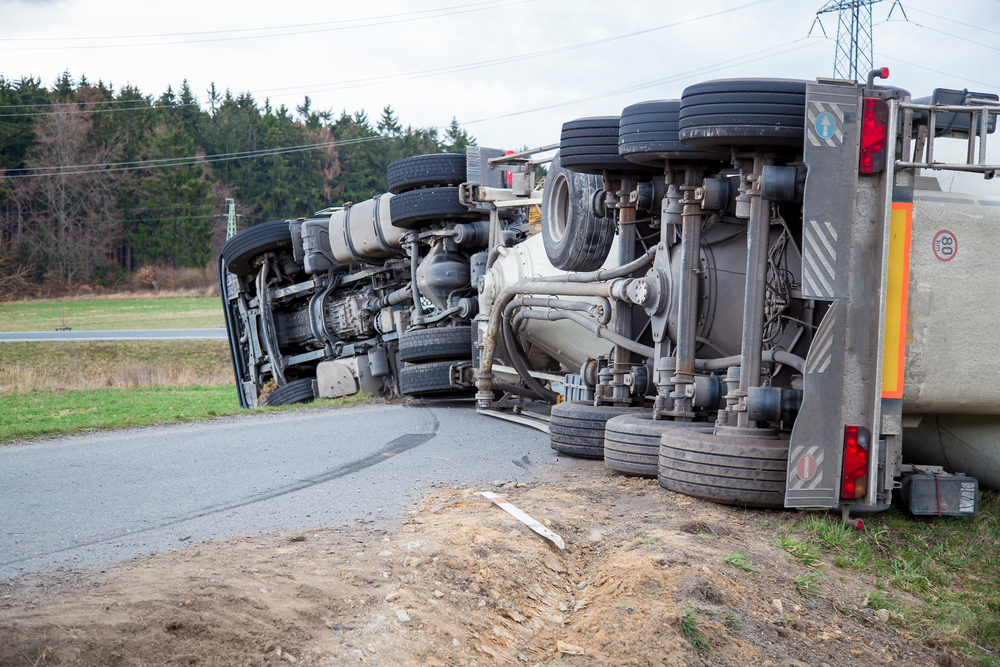
Collisions involving large commercial trucks and smaller passenger vehicles rarely result in minor injuries. The immense size and weight difference—a fully loaded semi-truck can weigh up to 80,000 pounds—often leads to devastating outcomes.
This disparity in force is a primary reason that a catastrophic injury claim involves such significant damages. The claims frequently reflect the high financial cost of long-term medical treatment and permanent disabilities.
Federal Regulations and Corporate Responsibility
The trucking industry operates under strict federal and state regulations designed to promote safety. The Federal Motor Carrier Safety Administration (FMCSA) sets rules for everything from driving hours to vehicle maintenance and cargo securement.
When trucking companies or their drivers violate these regulations, their actions can form a strong basis for a negligence claim.
Furthermore, commercial carriers are required to maintain substantial liability insurance policies. These policies have much higher limits than standard auto insurance, with required amounts starting at $750,000 and rising to several million dollars, depending on the type of cargo.
This financial backing means that a defendant corporation usually has far more insurance available to pay for severe collision damages than you would see in a standard car accident claim.
The Physics of a Collision on Texas Roadways
The highways that cross San Antonio, such as I-10, Loop 1604, and I-35, are major arteries for commercial shipping. A collision on one of these busy roads demonstrates the raw physics involved. An 80,000-pound truck crashing into a 4,000-pound car generates a massive force that smaller vehicles aren’t designed to withstand.
This power leads to injuries that have lifelong consequences. Spinal cord injuries, traumatic brain injuries (TBIs), amputations, and severe burns are common outcomes.
The necessary medical response to these conditions involves extensive and costly care, often for the remainder of the victim’s life.
Complex Evidence and Multiple Liable Parties
Unlike a simple fender bender, a commercial truck accident investigation often reveals a complex chain of events and multiple points of failure. The driver may have been fatigued or distracted, but the trucking company may also share responsibility for pressuring the driver to violate Hours of Service rules.
Other potentially liable parties include:
- The Trucking Company: The company can be held responsible for negligent hiring practices, poor driver training, or inadequate vehicle maintenance schedules.
- The Truck Manufacturer: The manufacturer may face liability if a defective part, such as brakes or tires, contributed to the crash.
- The Cargo Loader: This company can be held liable if improperly secured freight shifts during transit and causes the driver to lose control.
- A Maintenance Provider: A third-party mechanic or maintenance company can be held liable if their shoddy repairs led to a vehicle system failure.
A thorough investigation uncovers all contributing factors, which is essential to identifying every party that shares responsibility for the harm caused.
Projecting a Lifetime of Needs: The Role of a Life Care Plan
Following a catastrophic truck accident, one of the most pressing concerns is calculating the cost of a lifetime of care. A simple tally of current medical bills fails to capture the full picture.
A life care plan is a comprehensive, dynamic document that outlines an individual's current and projected future medical needs. It serves as a detailed roadmap for long-term care, providing an organized, concise plan that estimates future needs.
This document transforms the abstract concept of future damages into a concrete, evidence-based calculation.
Assembling a Team To Build the Plan
Creating a credible and thorough life care plan requires a collaborative effort. Your attorney can coordinate with a team of qualified professionals to analyze the individual's condition from multiple perspectives.
This methodical approach gives the final document significant weight in settlement negotiations.
The following professionals frequently contribute to a life care plan:
- Physicians and Medical Providers: They assess the patient's diagnosis, prognosis, and necessary future treatments, surgeries, and therapies.
- Life Care Planners: These certified professionals synthesize the medical information, research costs, and create a detailed report outlining all anticipated expenses.
- Vocational Rehabilitation Counselors: They evaluate the person’s ability to return to work in any capacity and determine the extent of their lost earning potential.
- Economists: These experts project the future costs of medical care, accounting for inflation and other economic factors, and calculate the present-day value of those lifetime costs.
Calculating Future Medical Expenses With Precision
A life care plan moves beyond guesswork to accurately quantify future medical expenses. The document meticulously details every anticipated need, from major surgeries to routine supplies. It provides a data-driven foundation for a permanent injury settlement.
A comprehensive life care plan typically accounts for a wide range of needs:
- Projected Surgeries and Treatments: This includes any future operations, hospitalizations, and advanced medical procedures recommended by physicians.
- Rehabilitative Therapies: Costs for physical, occupational, and speech therapy are included to maintain function and prevent complications.
- Medications and Medical Supplies: The plan details a lifetime of prescription drug costs and necessary supplies, such as catheters or feeding tubes.
- Assistive Devices: The document includes the cost and replacement schedule for items like wheelchairs, prosthetics, and communication devices.
- In-Home Care: Many catastrophic injuries require daily assistance from skilled nursing professionals or personal care attendants.
- Routine Medical Evaluations: Regular appointments with various medical providers to monitor health are also factored into the total cost.
Documenting All Damages Beyond Medical Bills
While future medical expenses form a substantial part of a catastrophic injury claim, they’re not the only damages considered. A truly comprehensive valuation accounts for every loss the injured person and their family experience.
These damages fall into two main categories: economic, which are financially quantifiable, and non-economic, which compensate for intangible harms.
Accounting for Lost Earning Capacity
A permanent disability often prevents a person from returning to their previous job or pursuing their chosen career path. A claim must account not only for the wages lost during recovery but also for the loss of all future earning potential. This is known as lost earning capacity.
For someone living in a dynamic job market like San Antonio, with opportunities in the South Texas Medical Center or growing industries near the Pearl District, this loss can be significant.
Vocational rehabilitation counselors and economists work together to project the total income that would have been earned over a lifetime. They consider factors like age, education, work history, and career trajectory to arrive at an accurate figure.
Valuing Non-Economic Damages
Non-economic damages address the profound, personal losses that don’t come with a price tag. These harms dramatically reduce a person’s quality of life, and the legal system provides a way to assign a monetary value to them for the purposes of a claim.
Texas law allows for the recovery of these intangible yet very real losses.
Several factors contribute to the valuation of non-economic damages:
- Pain and Suffering: This compensates for the physical pain, discomfort, and emotional distress caused by the injuries.
- Mental Anguish: This addresses the psychological impact of the accident, including anxiety, depression, and post-traumatic stress disorder.
- Physical Impairment: This compensates for the loss of use of a body part or physical function.
- Loss of Enjoyment of Life: This acknowledges the inability to participate in hobbies, activities, and life experiences that previously brought joy.
The Costs of Home and Vehicle Modifications
Adapting to life with a permanent disability often requires significant modifications to a person’s living environment and transportation. A person may no longer be able to navigate their own home in Alamo Heights without changes or drive to The Rim Shopping Center without a specially equipped vehicle.
These one-time and recurring costs are essential for maintaining a degree of independence.
A claim may include the costs for various modifications:
- Home Accessibility: A claim often includes the costs to improve home accessibility, which involve projects such as widening doorways, installing ramps, and remodeling bathrooms.
- Vehicle Modifications: A settlement can fund necessary vehicle modifications, such as equipping a van or car with hand controls and wheelchair lifts.
- Adaptive Equipment: The valuation also covers the cost of specialized beds, chairs, and other adaptive equipment essential for daily living.
- Ongoing Maintenance: A settlement must also account for the long-term upkeep and eventual replacement costs of all essential modifications and devices.
FAQ for Catastrophic Injuries and Truck Accidents
What Types of Injuries Qualify as Catastrophic?
A catastrophic injury is a severe injury that causes permanent functional disabilities and major life changes. Catastrophic injuries often include traumatic brain injuries, spinal cord injuries, severe burns, amputations, and multiple fractures that cause long-term mobility issues.
Who Can Be Held Liable in a Commercial Truck Accident?
Liability in a Texas truck accident case can extend to multiple parties, including the truck driver, the trucking company, the owner of the truck or trailer, the company that loaded the cargo, and even the manufacturer of a faulty truck part that contributed to the collision.
An attorney can investigate to identify all potentially responsible parties.
Can I Still Pursue a Claim if I Was Partially at Fault?
Yes, in Texas, you can still pursue a claim even if you were partially at fault. Texas follows a modified comparative fault rule, also known as the 51% rule. This means you can recover damages as long as you’re not found to be 51% or more responsible for the accident.
If you’re found partially at fault, your final recovery amount would be reduced by your percentage of fault.
What Happens if I Am Unable to Ever Return to My Career?
If your injury prevents you from returning to your career, your claim will seek compensation for lost earning capacity. This figure represents the total wages, raises, and benefits you would have earned over your entire working life.
Your lawyer can work with outside professionals to project this future financial loss, which becomes a key component of your total settlement demand to provide for your long-term stability.
Why Is a Life Care Plan Important for My Truck Accident Claim?
A life care plan provides a detailed, evidence-based projection of all future medical and non-medical needs. This document translates the lifelong impact of an injury into a concrete financial figure, which becomes the foundation for negotiating a fair permanent injury settlement.
It ensures that any resolution accounts for every foreseeable expense, protecting you from paying for these costs out-of-pocket years down the line.
Take Control of Your Future With Cowen Law
The path forward after a life-altering injury requires careful planning and dedicated advocacy. At Cowen Law, we focus on building comprehensive claims that fully account for the lifelong needs of our clients.
Our team is prepared to investigate your accident, assemble the necessary professionals, and present a detailed case for the total compensation you require. Complete our online form today to discover your options and how we can help.